#55 Top 100 Public (Golf Magazine)
#75 Top 100 Public (Golf Digest)
#57 Top 100 Resort (GolfWeek)
#3 Best Public Courses Virginia (GolfWeek)
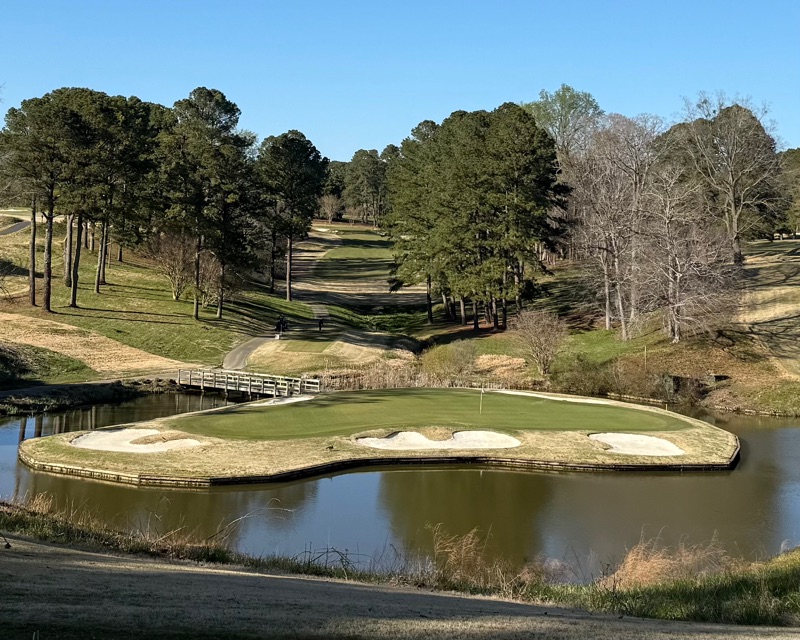
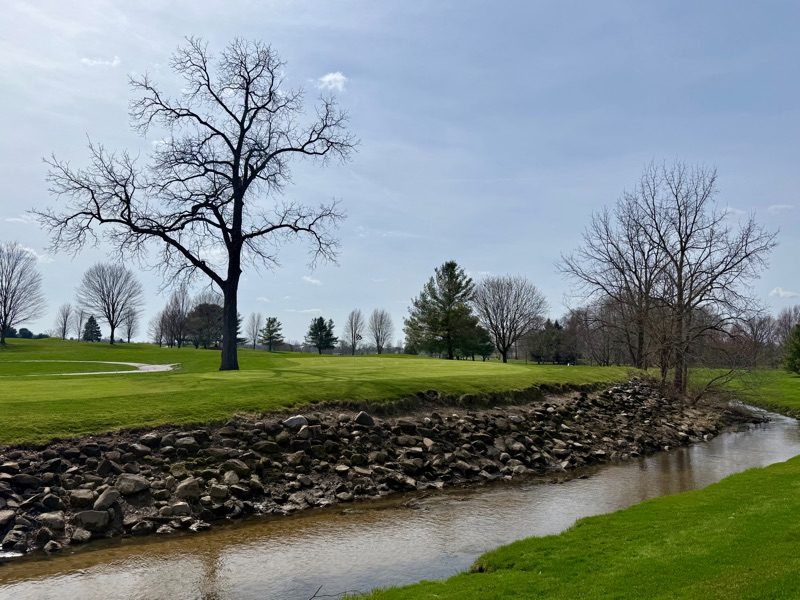
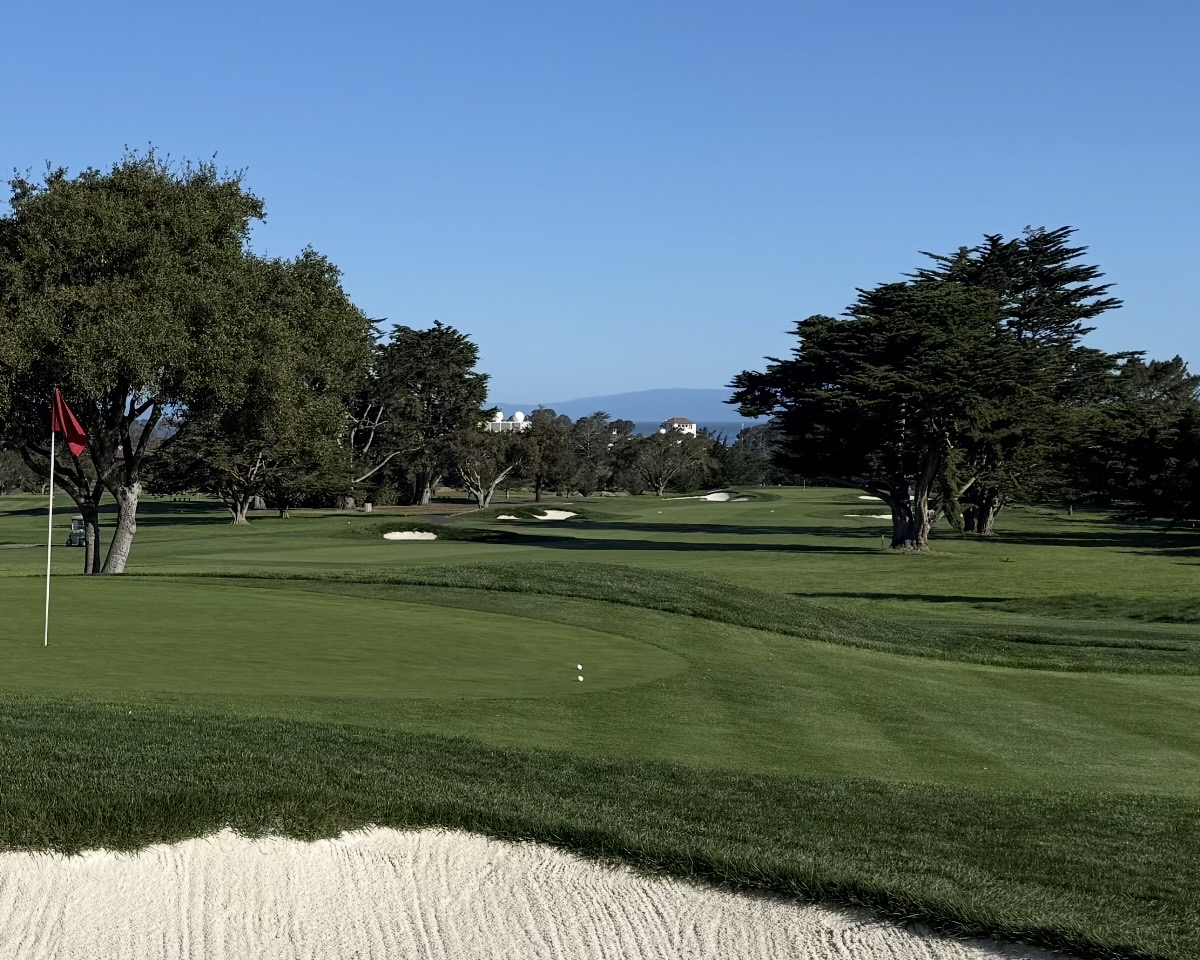
There’s a lot to like about the Golden Horseshoe, the least being the wonderful connection the club has with the town of Williamsburg and its colonial roots. It’s one of the few places in our country where the past comes to life, and this spirit permeates the atmosphere of the club. RTJ sr designed the Gold in 1963 on a rectangular parcel of land where a deep ravine and lake divides the property. This natural feature harbors four holes including three of the four par threes that are arguably the best set of one shotters in America.
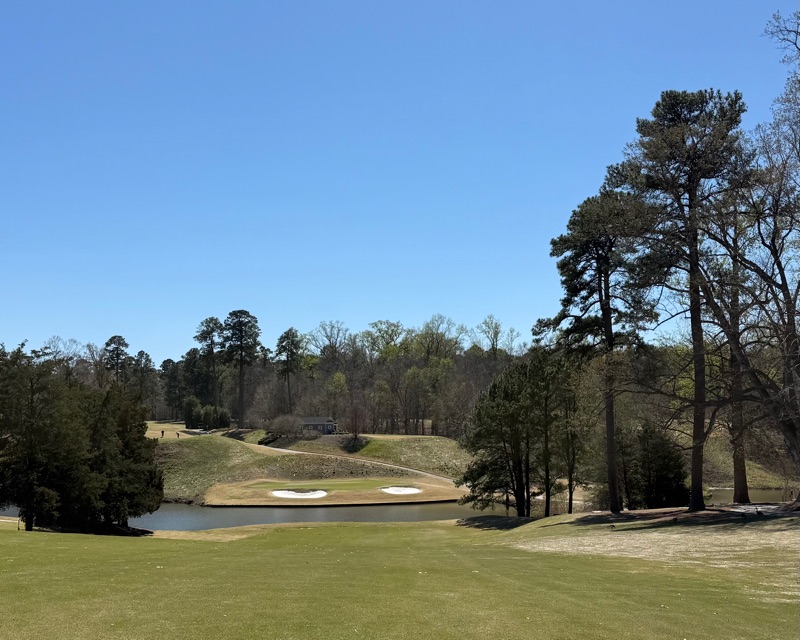
(The 498/476 yard par five second is the rare instance where a tiger golfer is pressured into making a swing he may not be comfortable hitting while the casual player lays up before playing a short iron third…
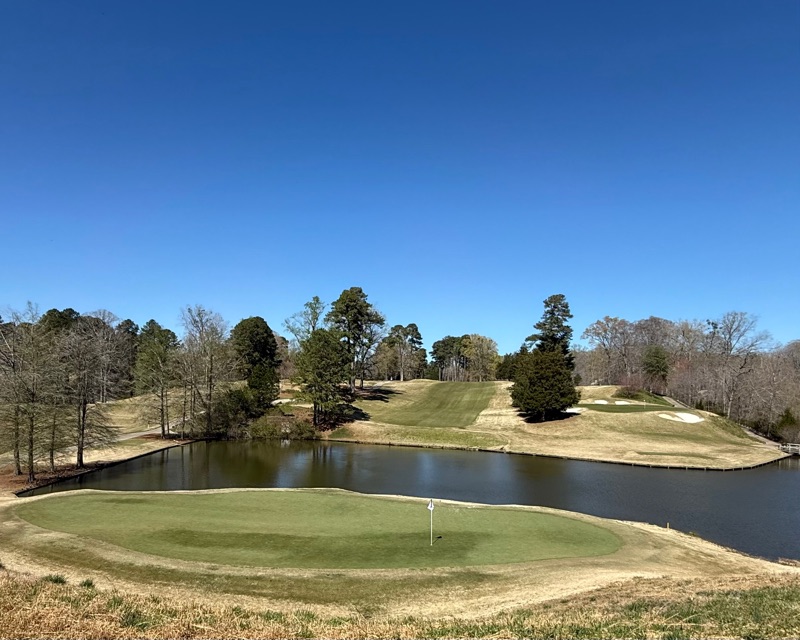
…even the single digit player might take up the challenge of hitting across to the green. Everything depends on the roll out of the drive. Then the question becomes how good are you at elevating the ball from a downhill lie? Only a hole and a half in and the course is demanding answers to your golfing skill.)
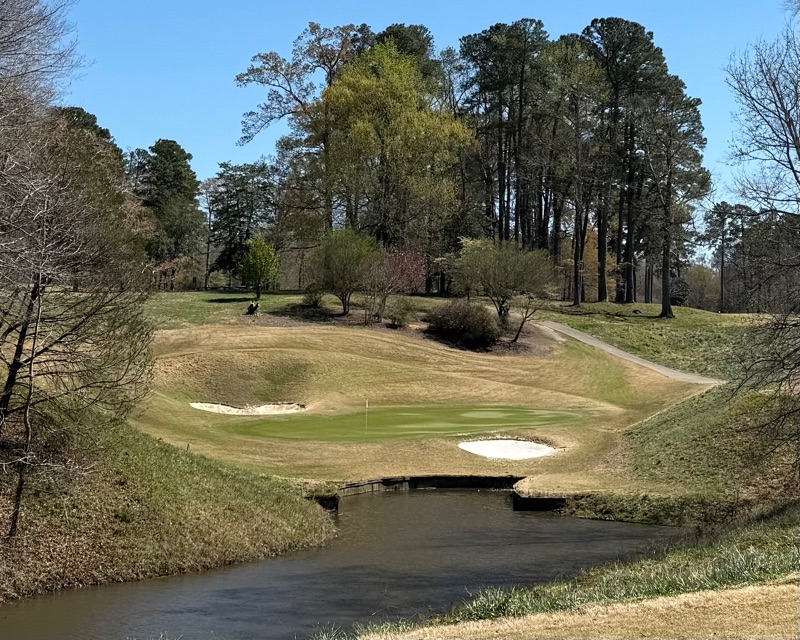
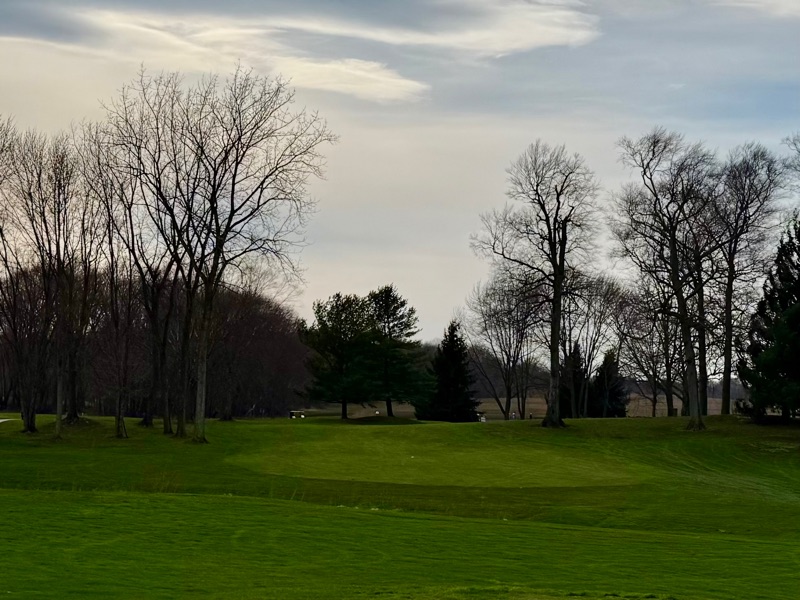
(Playing through a chute of trees, the 201/174 yard par three third plays downhill to an oblong green set into a bowl. The putting surface is shallow, forcing you to have a good number and the correct club. Par is a good score!)
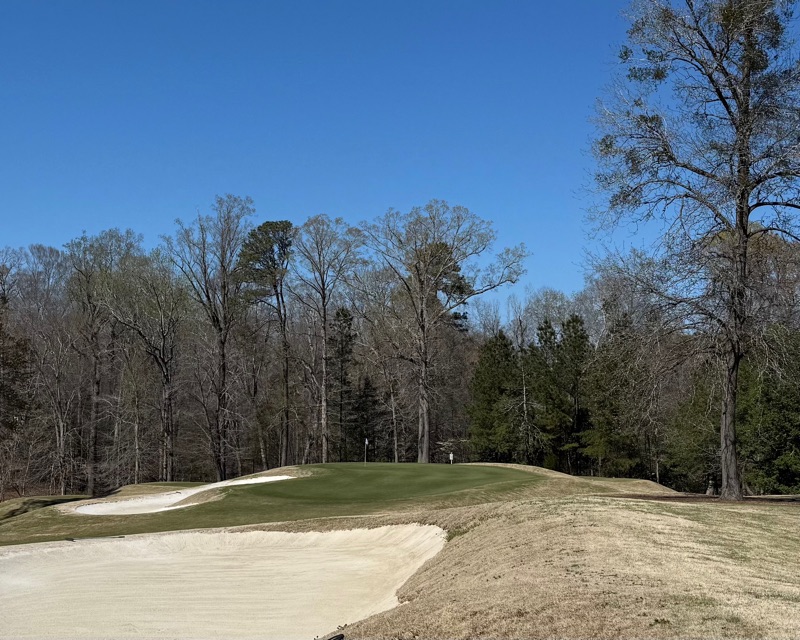
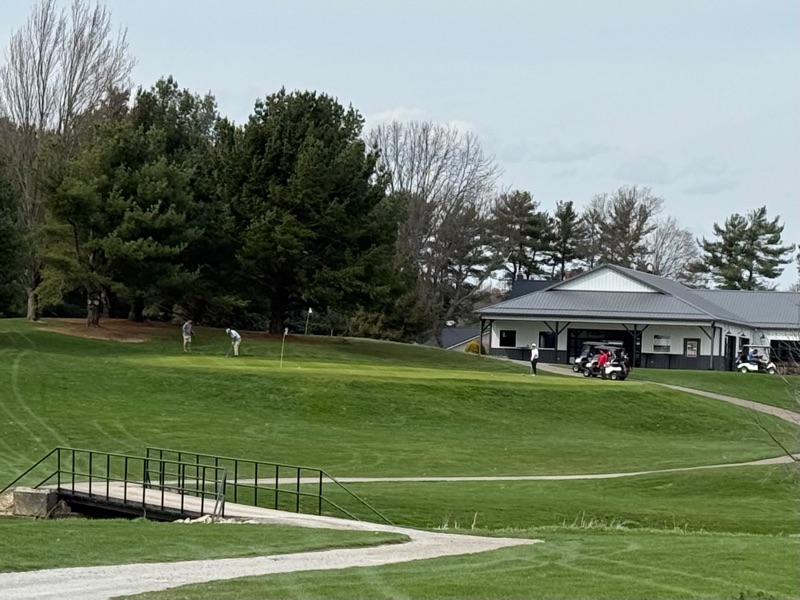
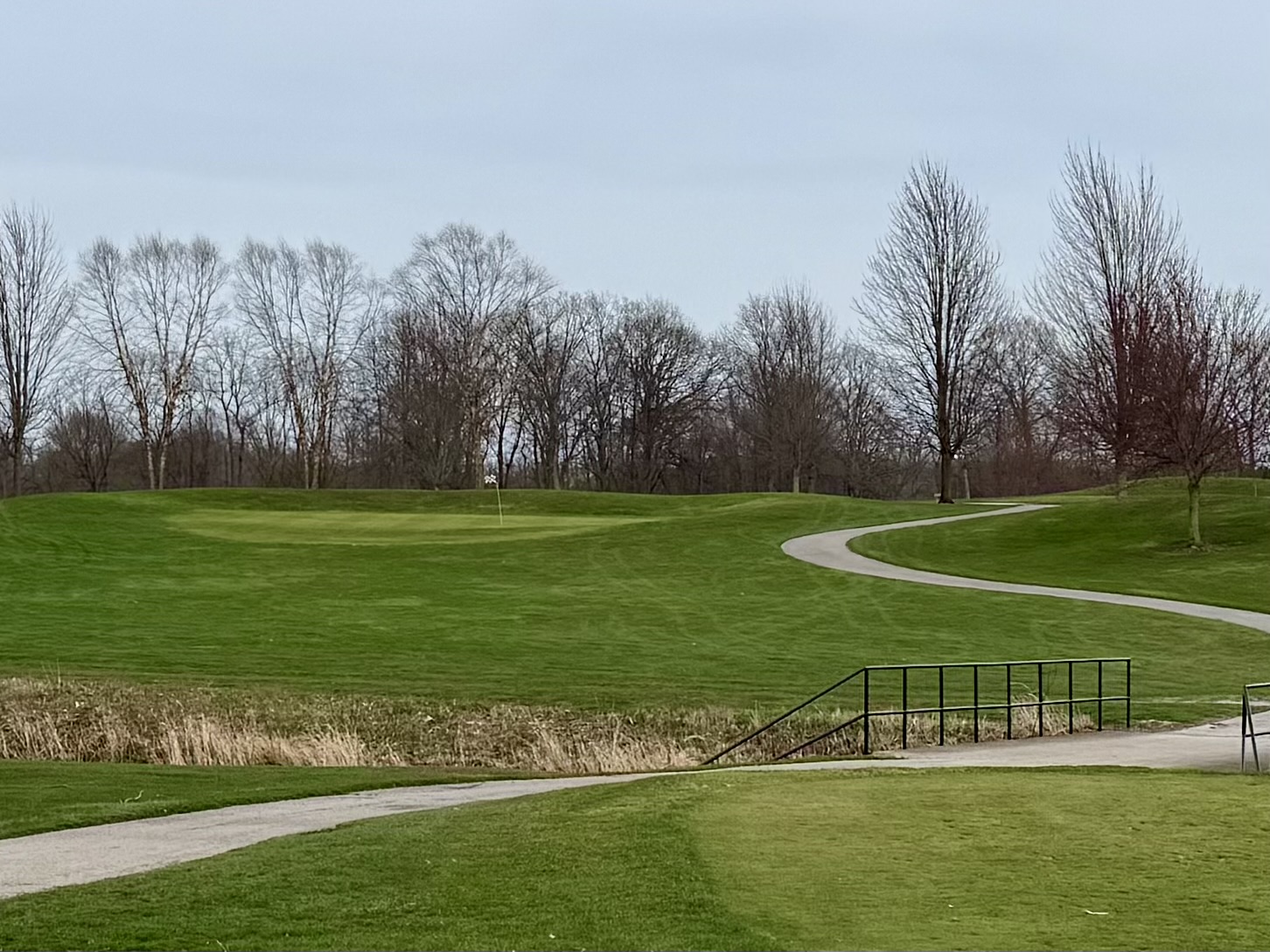
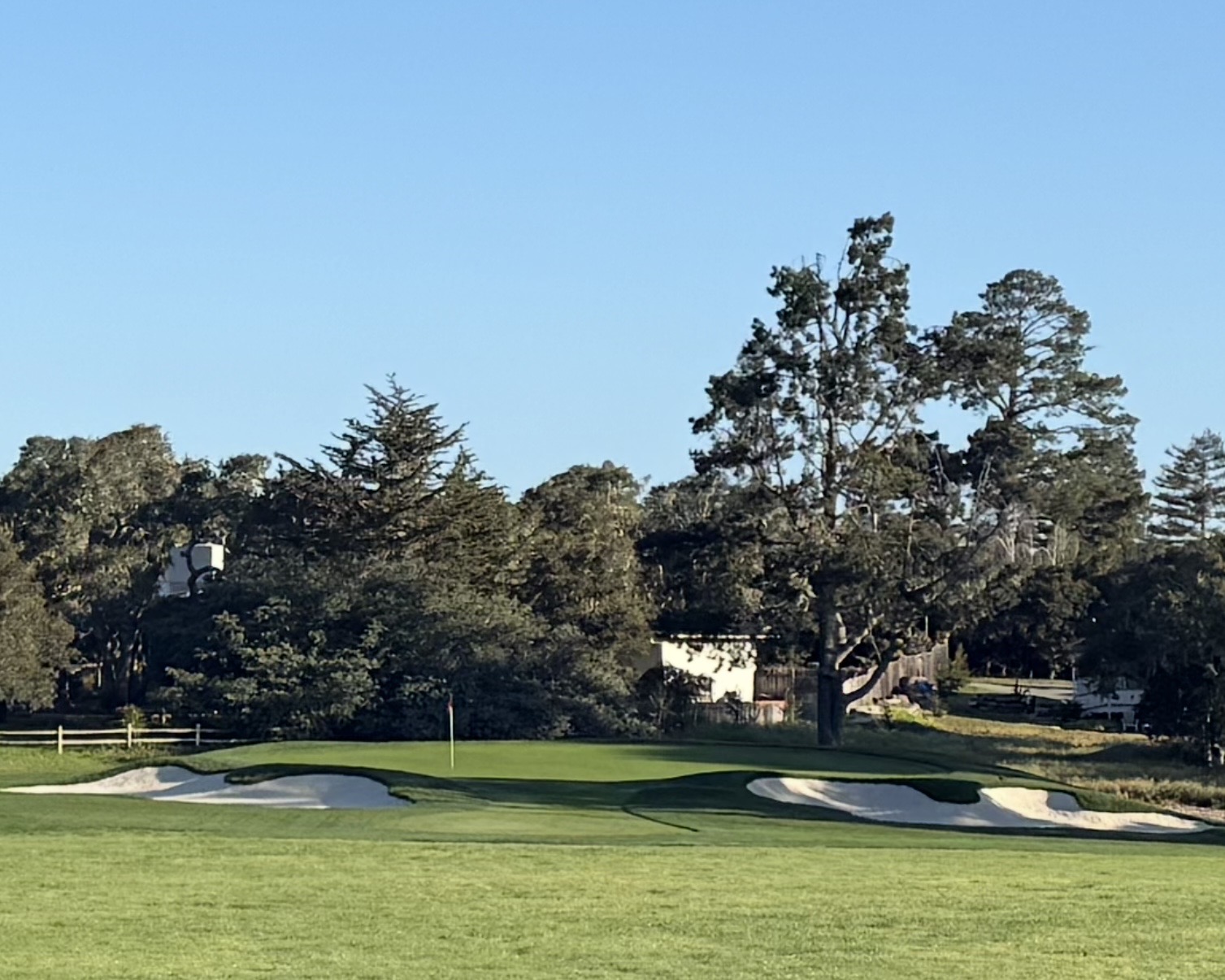
(The 348/337 yard par four fifth should be a good birdie opportunity but the green floats above its surroundings with a left side sand trap providing the only safe spot should you miss the putting surface. Today’s pin in the rear is a real beauty.)
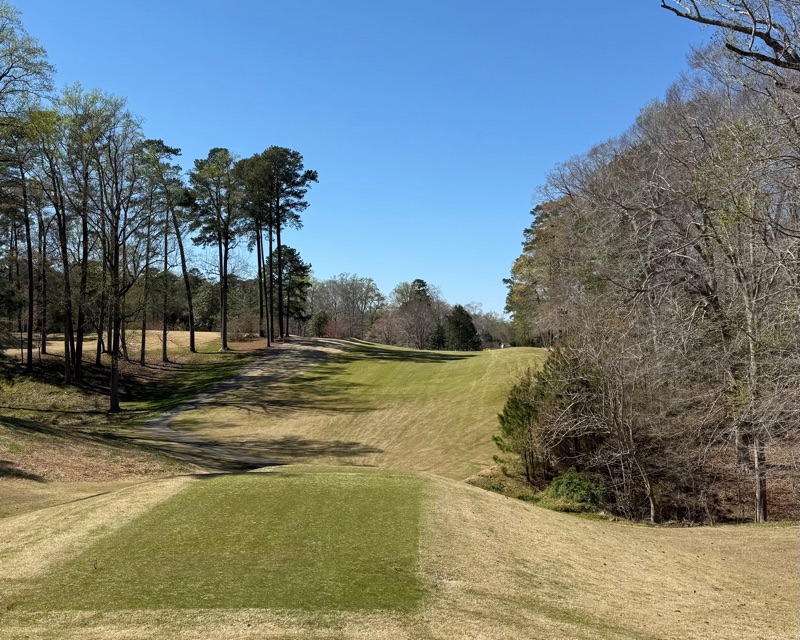
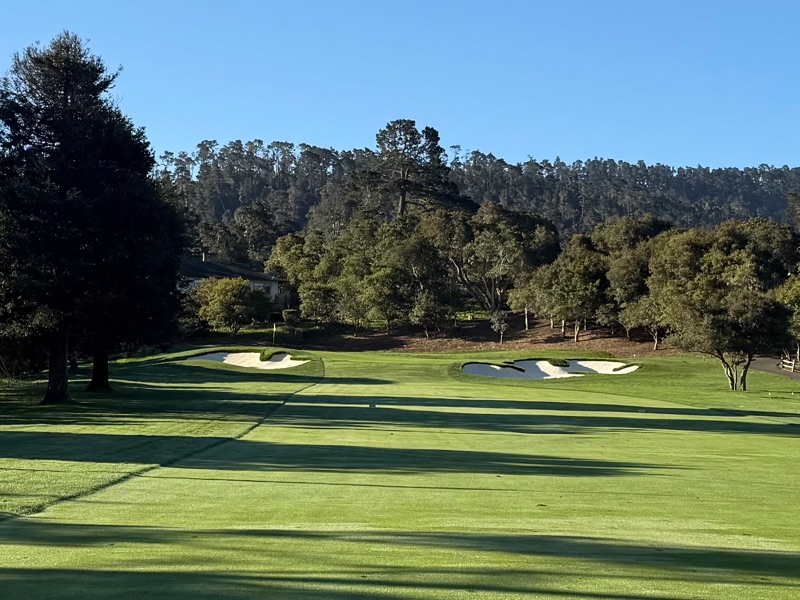
(The 485/471 yard par five sixth is your best chance for birdie. Clear the hill and you will have a shot to reach this in two…
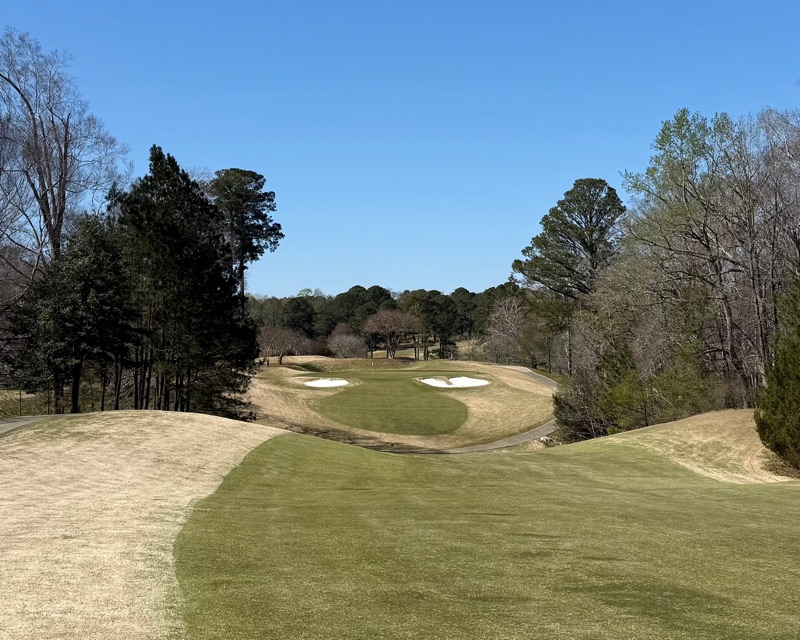
…the green sits atop the rising terrain with traps guarding the front left and right. Note anything lost to the right is a penalty so casual golfers will plot their way down the left and attack from the bottom of the valley.)
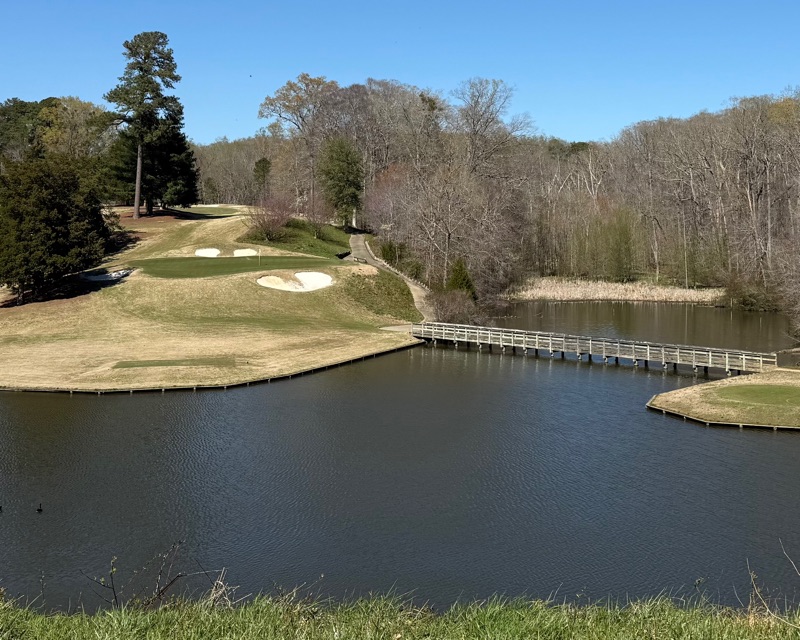
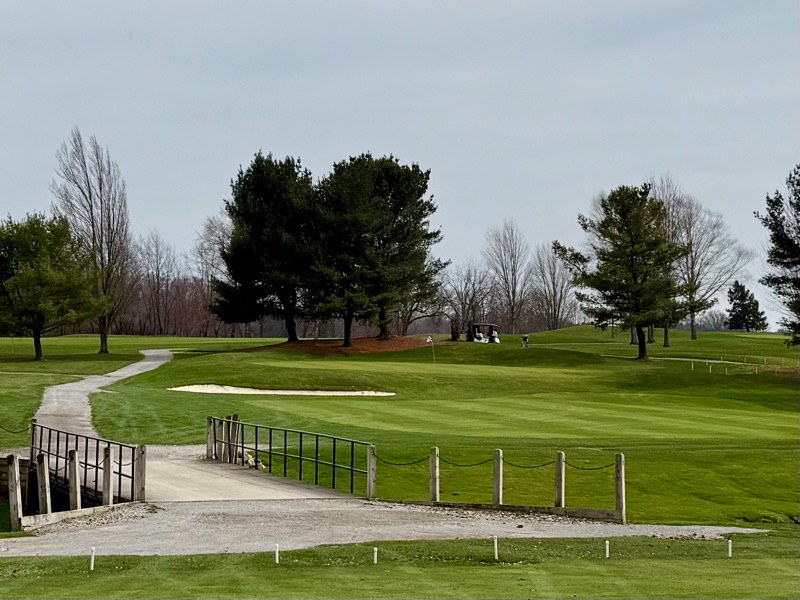
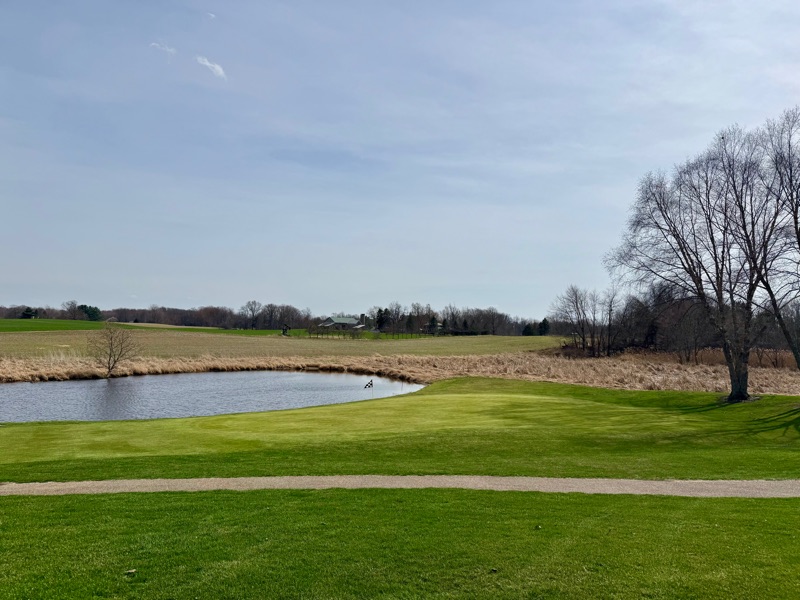
(The 206/186 yard par three seventh is all carry over the lake to a green benched in the hillside.There is literally no where to miss. A mound separates the rear and front tiers making long range putts exceptionally difficult to two putt…
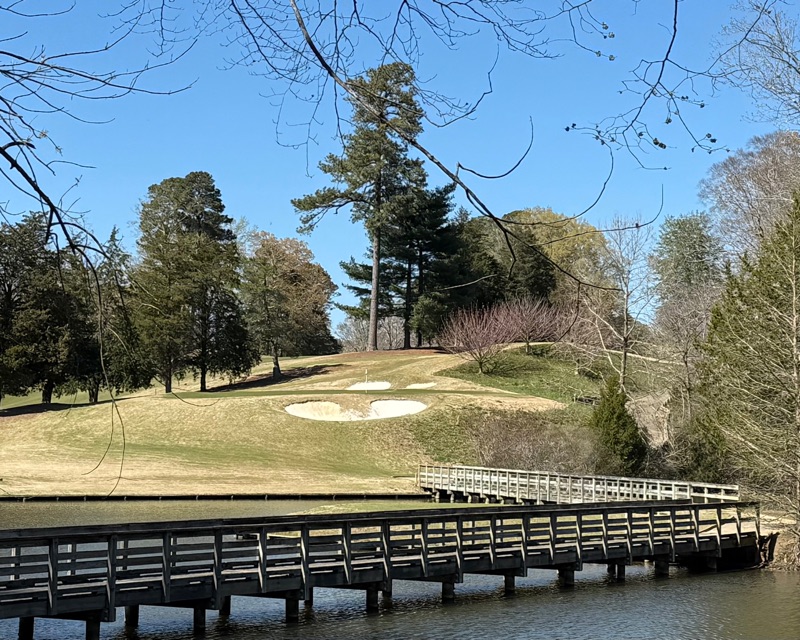
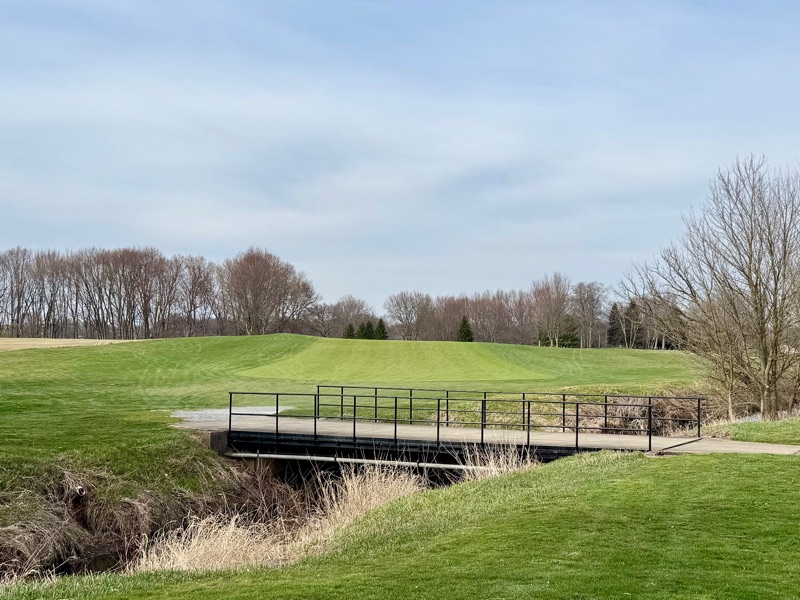
…I love the wooden bridges. Look how high up the green sits on the hill. What a great par three!)
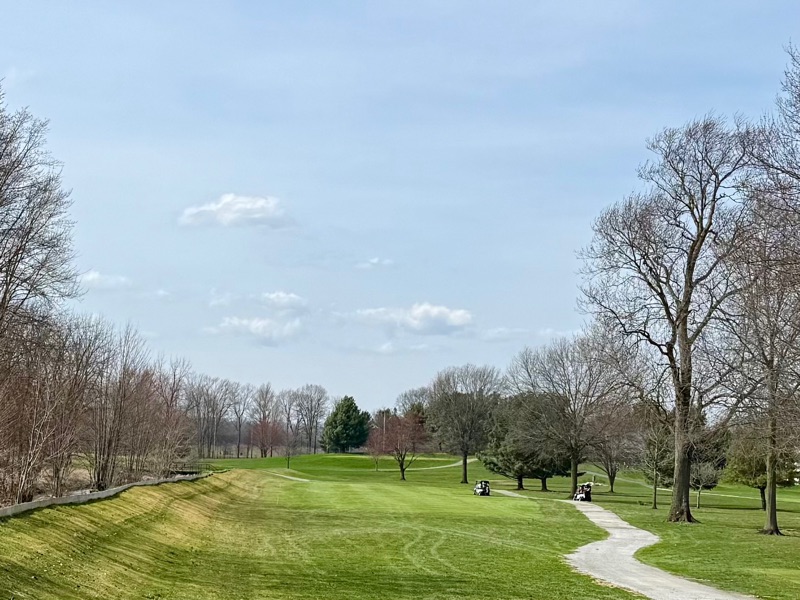
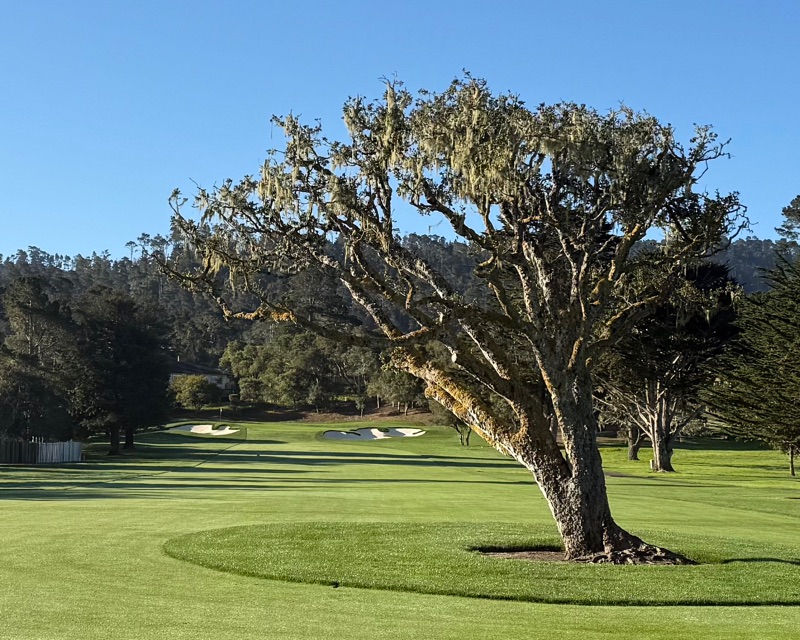
When RTJ sr designed this course, he stated it was one of his best efforts. Besides the four valley holes (2,7,12,16) one would point at 5,10,13,17,18 as very strong. The course is tight and requires you to shape your drive into the fairway. The tenth is a long par four that forces your hand to hit a long fade with a ravine on the right and trees left. The seventeenth is unbelievably tight as it is a narrow chute for 100+ yards. (The back tee is claustrophobic) Eighteen is a bit out of character with the rest of the course but only because the left side of the fairway leaves a pseudo blocked out shot. You’ll have to hit a controlled draw that takes the bank of the fairway and rolls to the green. It’s exactly the type of course you’d expect from the 1960s.
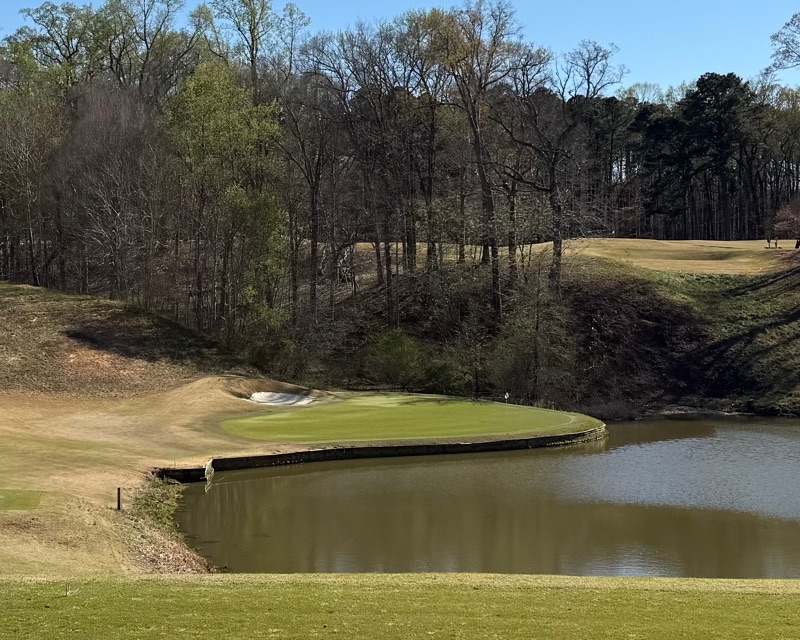
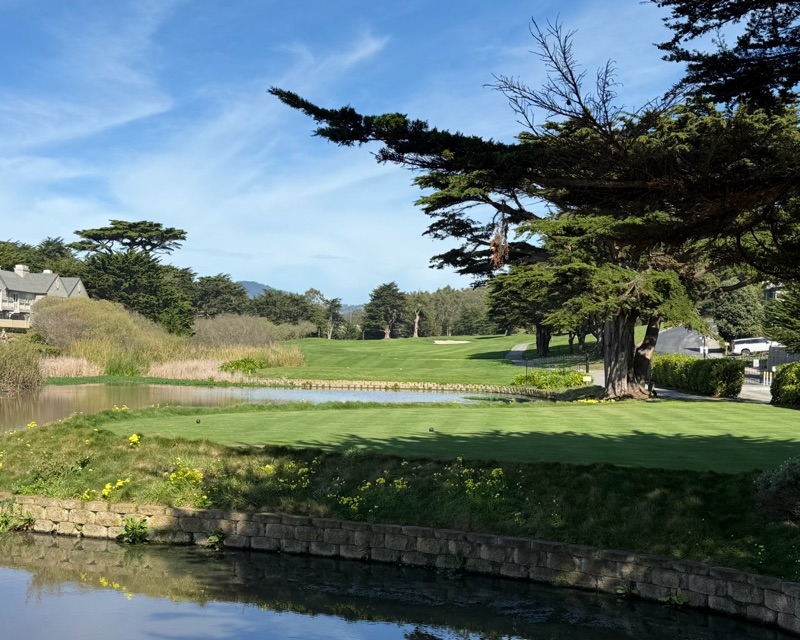
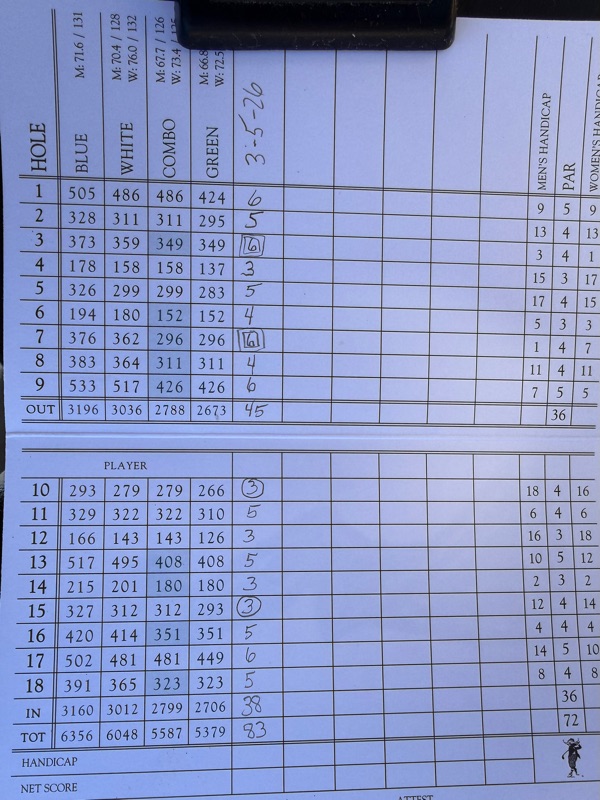
(The 188/169 yard par three twelfth hangs out into the lake with water not only guarding the front and right but also long. The bail out left is very tempting. My shot (143 yards) hit several feet short of the flag and rolled right into the hole for an ace! What’s funny is the glare from the sun prevented me from seeing it after it hit the green. It’s my fourth hole-in-one and second time with a 7iron.)
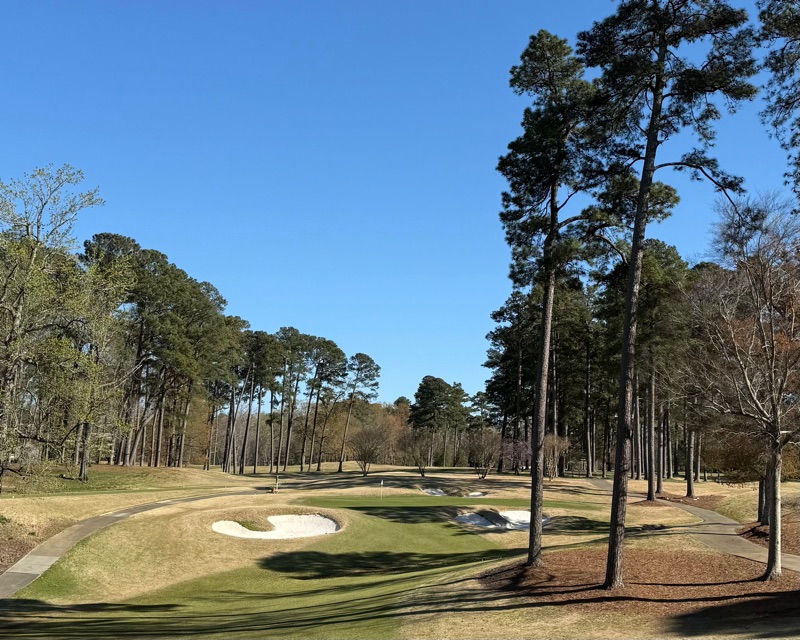
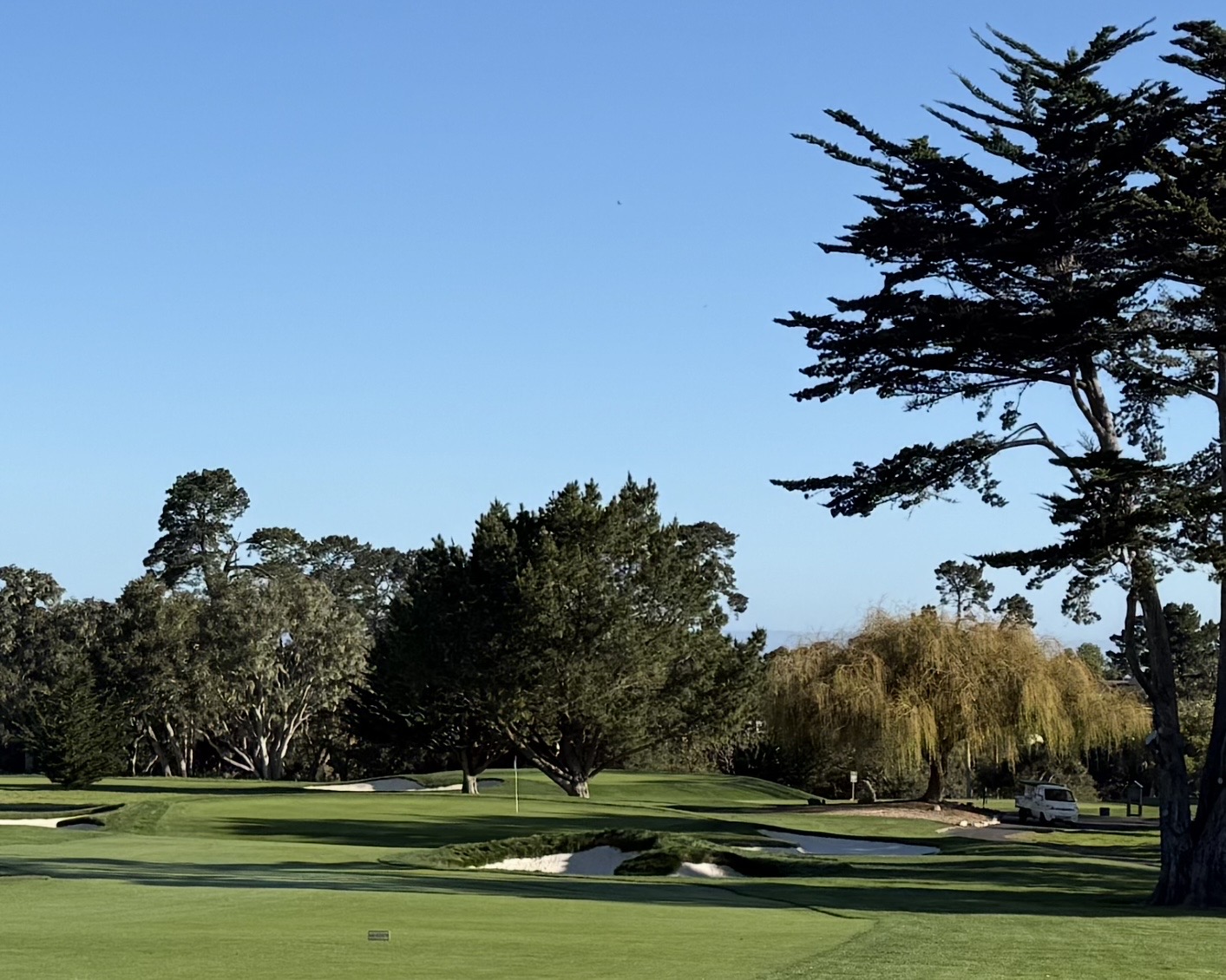
(The 363/350 yard par four thirteenth doglegs left and demands an accurate tee shot. The approach is a beautiful short to mid iron with bunkers and a swale fronting the green.)
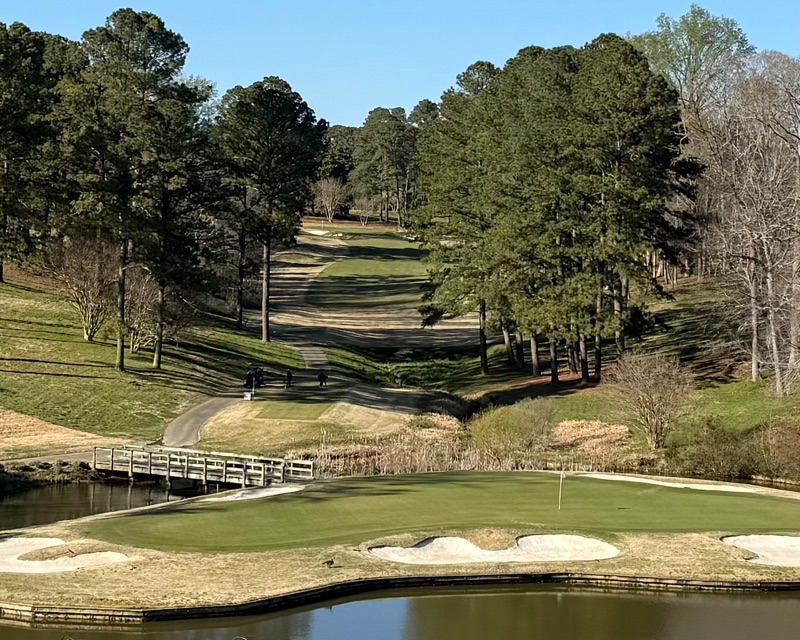
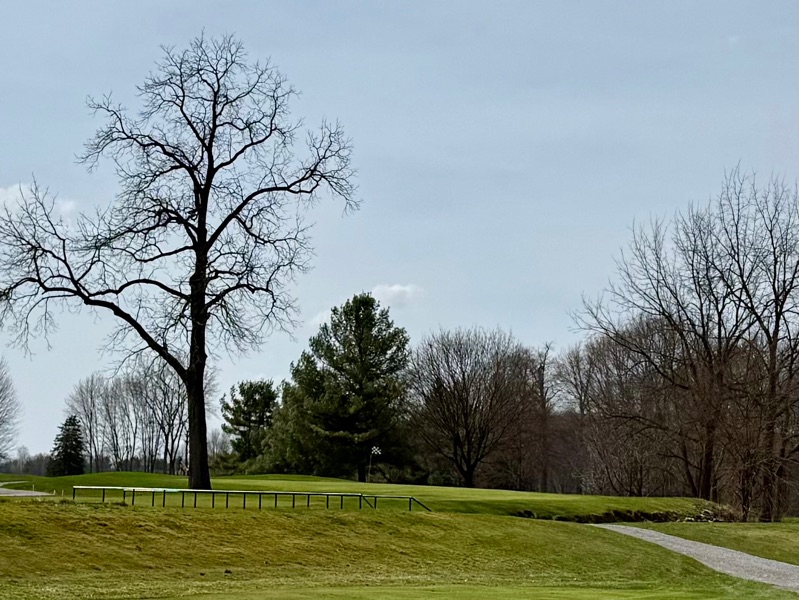
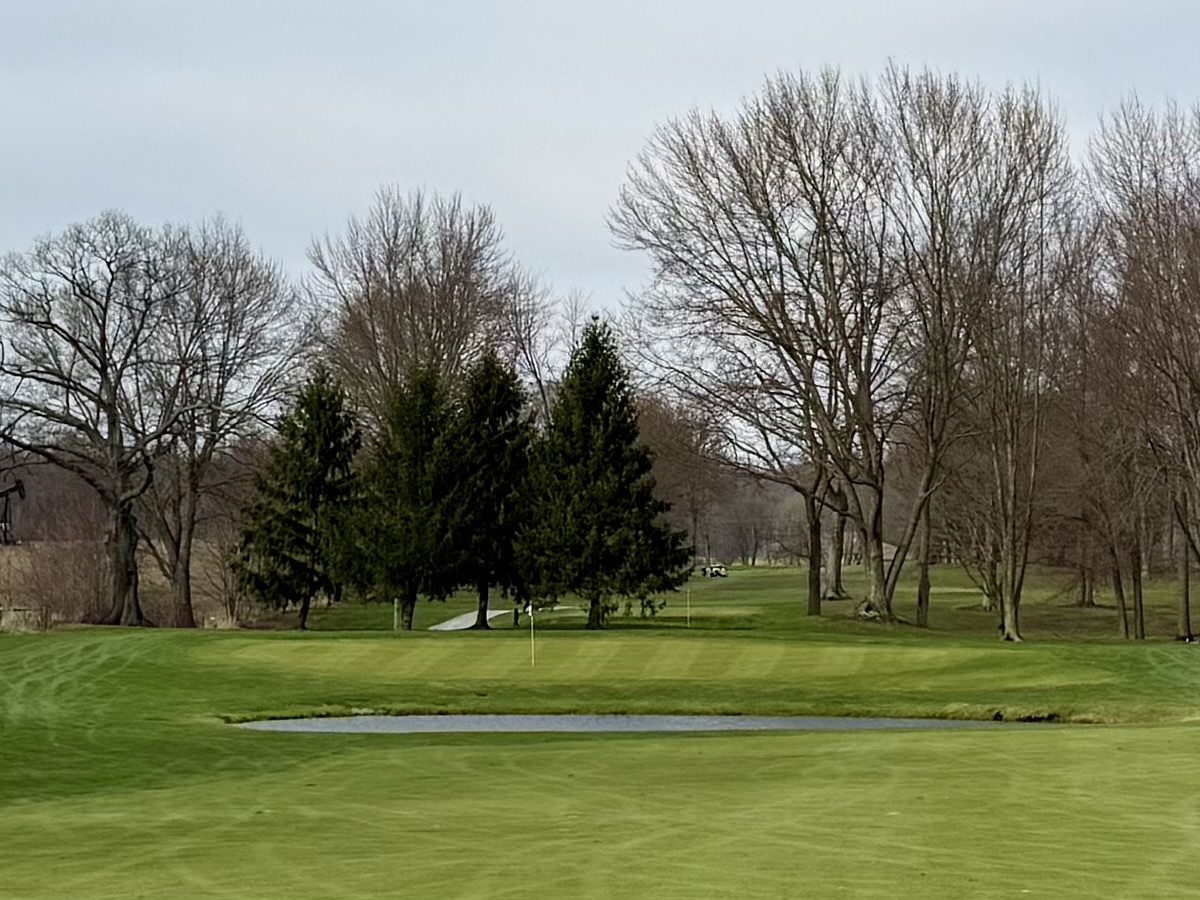
(The sixteenth is a 169/159 yard par three to an island green. The left half is just a sliver of putting surface while today’s pin is generously large. Note the par four seventeenth in the background. How cool is that view as the hole zooms through the trees and climbs the hill…
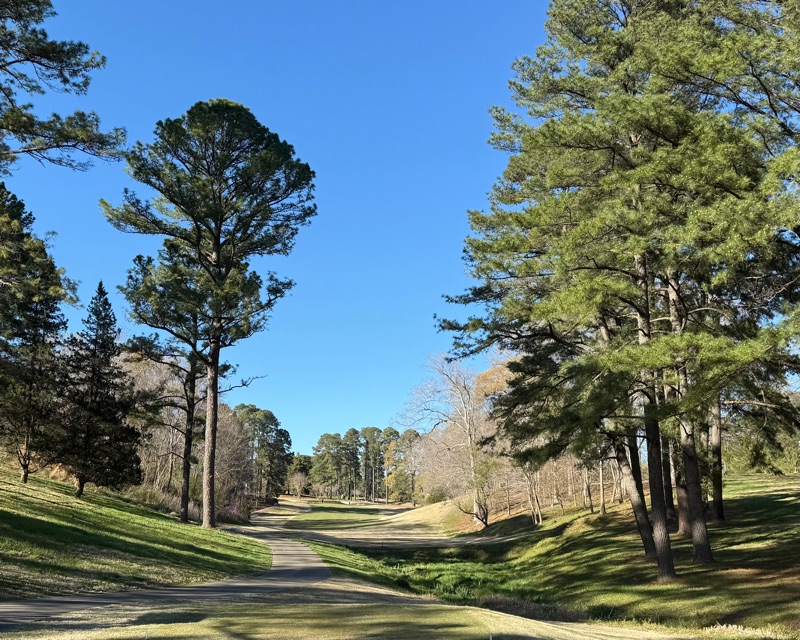
…this is just from the white tees. The blue and black tees are even more intimidating. This 435/422 yard par four plays very long. Expect to hit a long iron to green that is barely visible from the fairway. Par is a great score.)
I thought the Gold was beautiful, and even though tight, treelined courses are out of vogue in today’s golf architecture, it is a fine example of yesteryear’s values. The only clunkers are 8-9, otherwise it’s a strong golf course. Among locals it’s called the poor man’s Augusta because the trees bloom in vibrant colors. I give it a solid 6 (very good)(worth driving two hours to play). It’s the pick of the liter in an area full of solid public golf (Kingsmill, Stonehouse, and Royal New Kent).
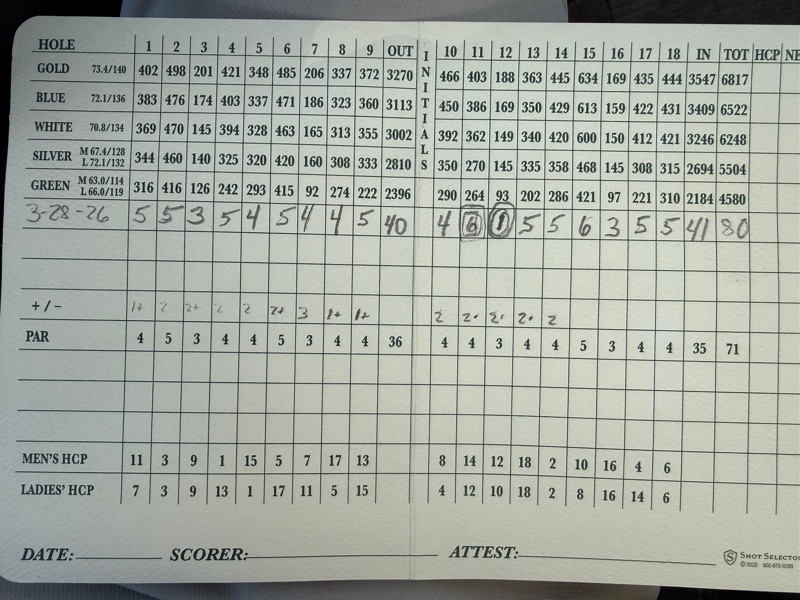
(I played the white tees by myself (6,248) which put a damper on my hole in one, however, is that the ultimate bounce back or what?! Double bogey- ace!! I’ll take -1 on these set of par threes. I’m still inconsistent with my driver which led to most of my bogeys. I paid $165 which is a fair price.)
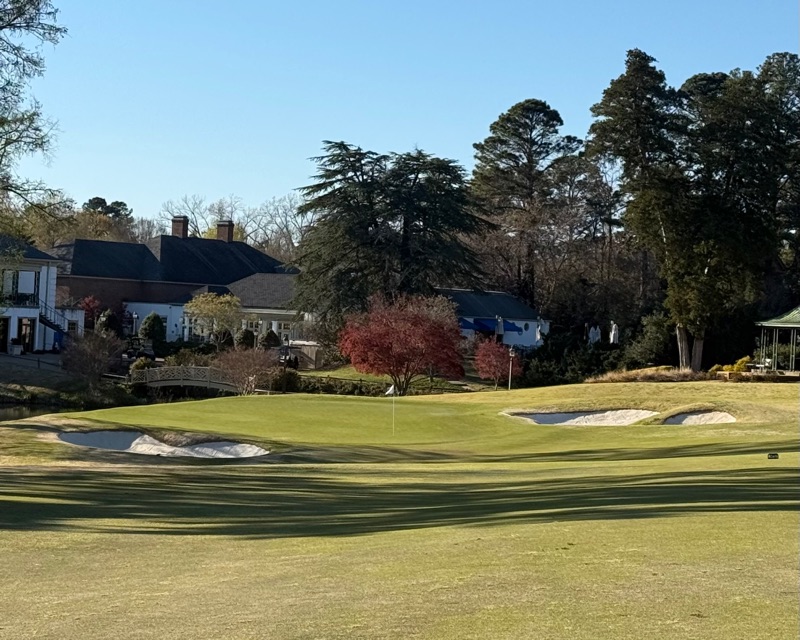
(The 444/431 yard par four eighteenth doglegs left where the primary goal is to drive it past the trees or down the right side to gain an angle. The green is downhill with water left and sand front. A banked fairway will take a controlled draw and run it between the bunkers onto the green. The starter told me the old guys will hit 4-5 shots during practice rounds to perfect the feel of this shot. It’s a unique finishing hole.)
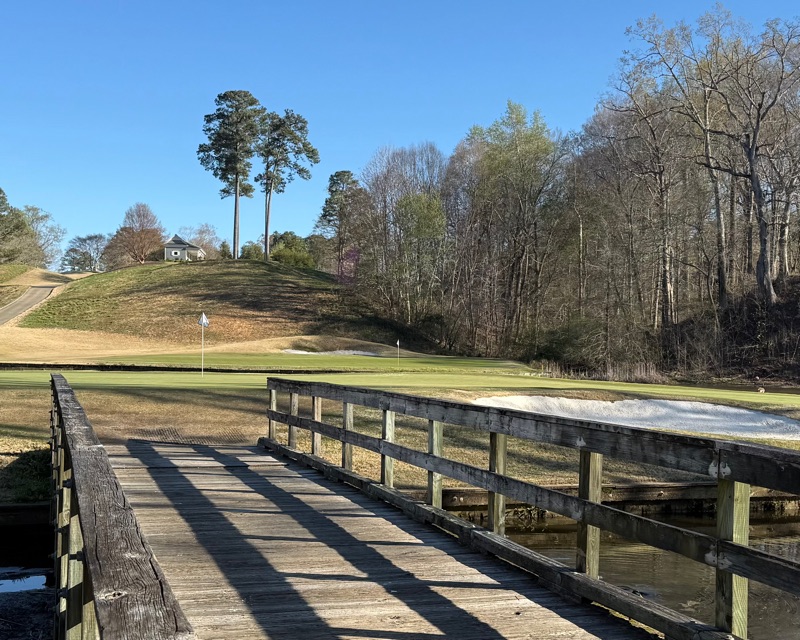
(The bridge in sixteen has a perfect view of all the water holes. Twelve is literally a stone throw away.)
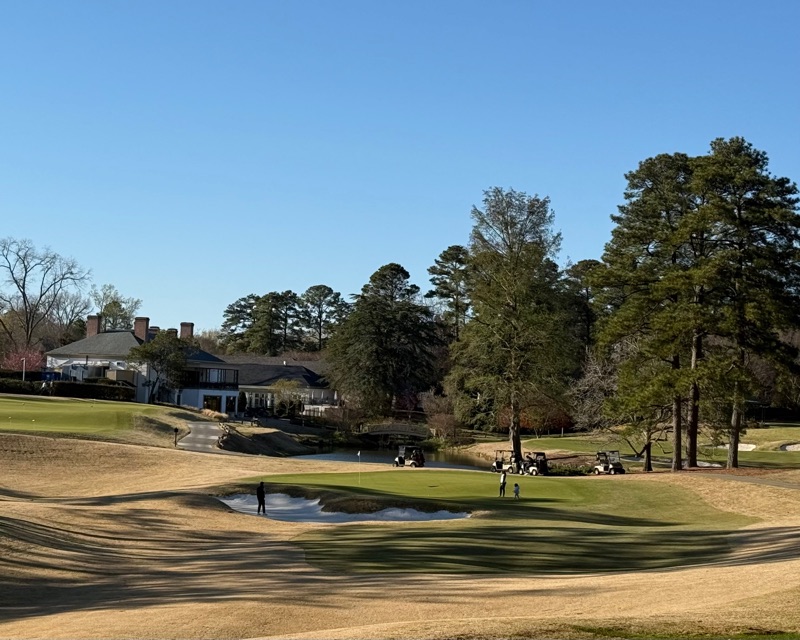
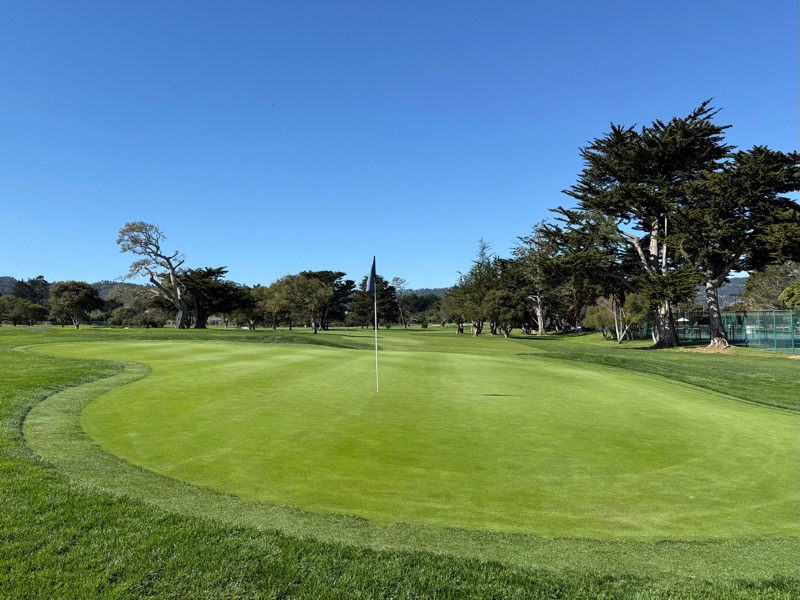
(The Shoe is a nine hole pitch and putt course with holes ranging from 47-137 yards. It’s great for beginners and having fun with the kids. It’s also perfect for settling up some last minute bets. It’s only $20 to play after your first round. I should point out that there’s also a second course called the Green, both designed by Rees Jones. The Golden Horseshoe definitely has you covered if you’re planning a family vacation here.)
Blog 499