Friday, April 24, 2026

French Lick - Valley Links Course (French Lick, IN)

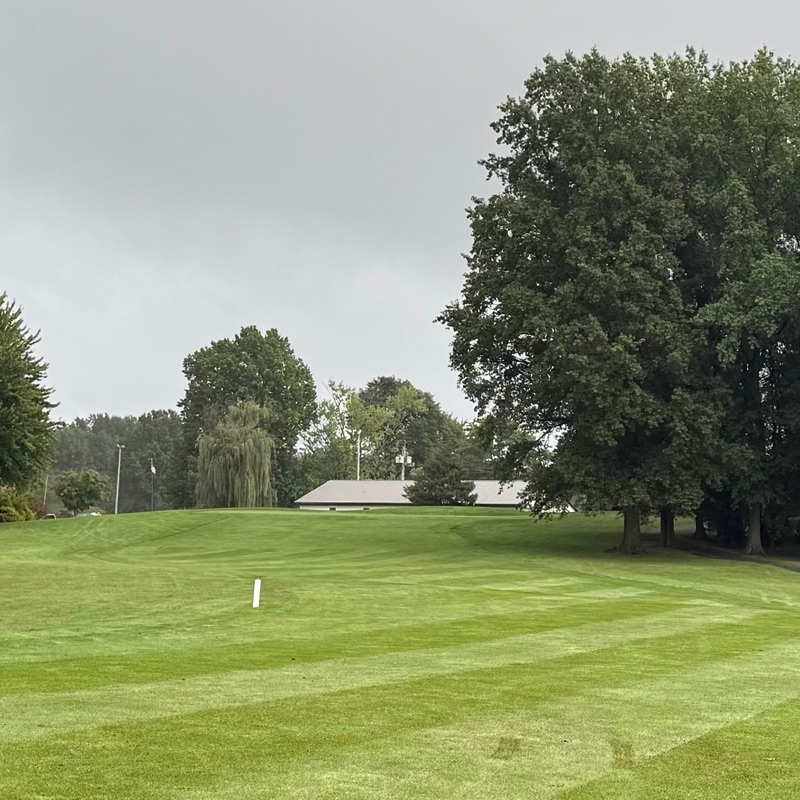
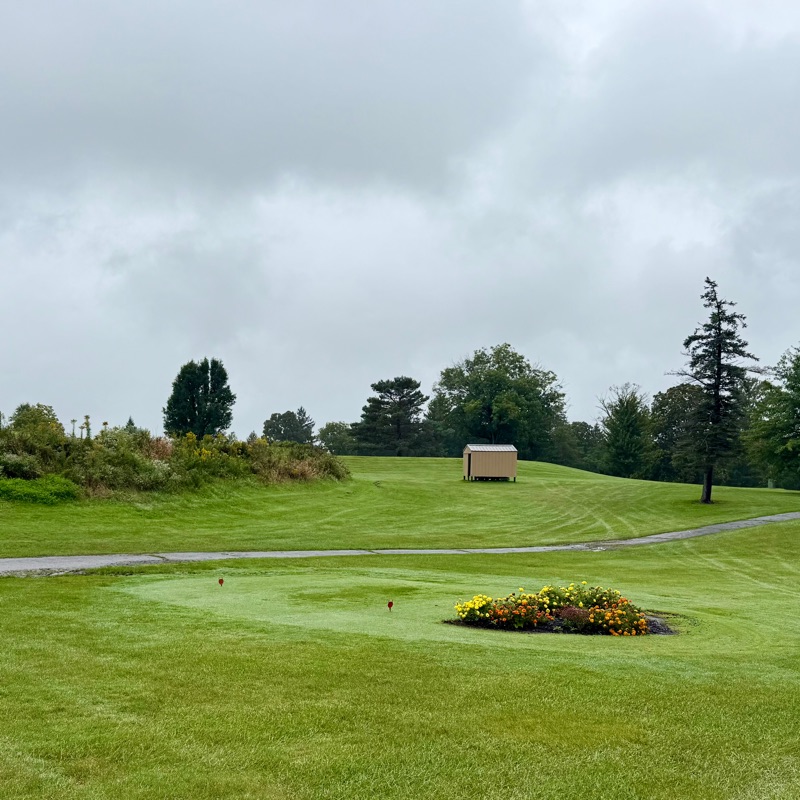
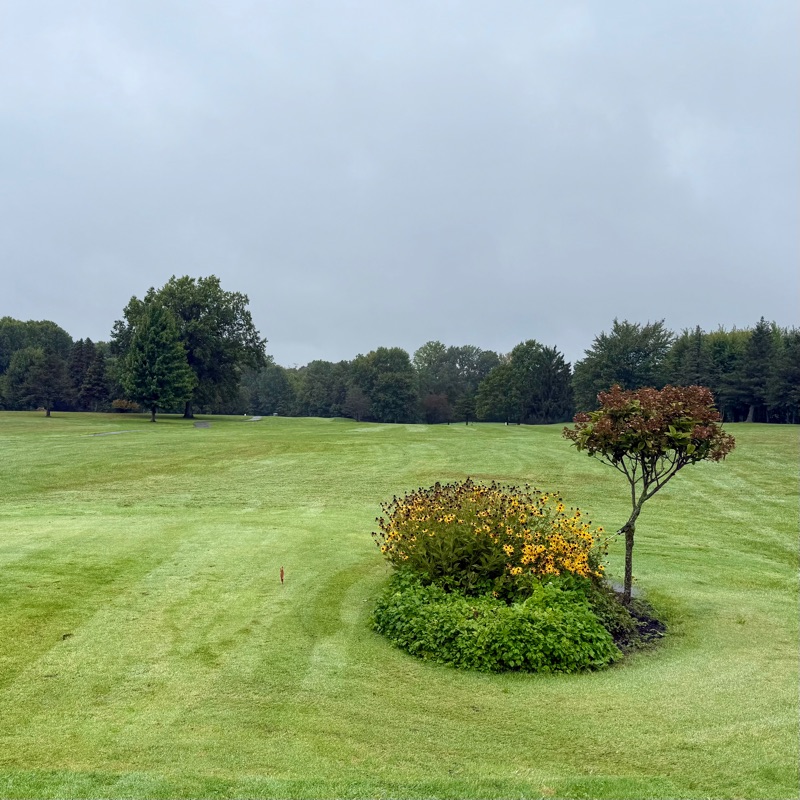
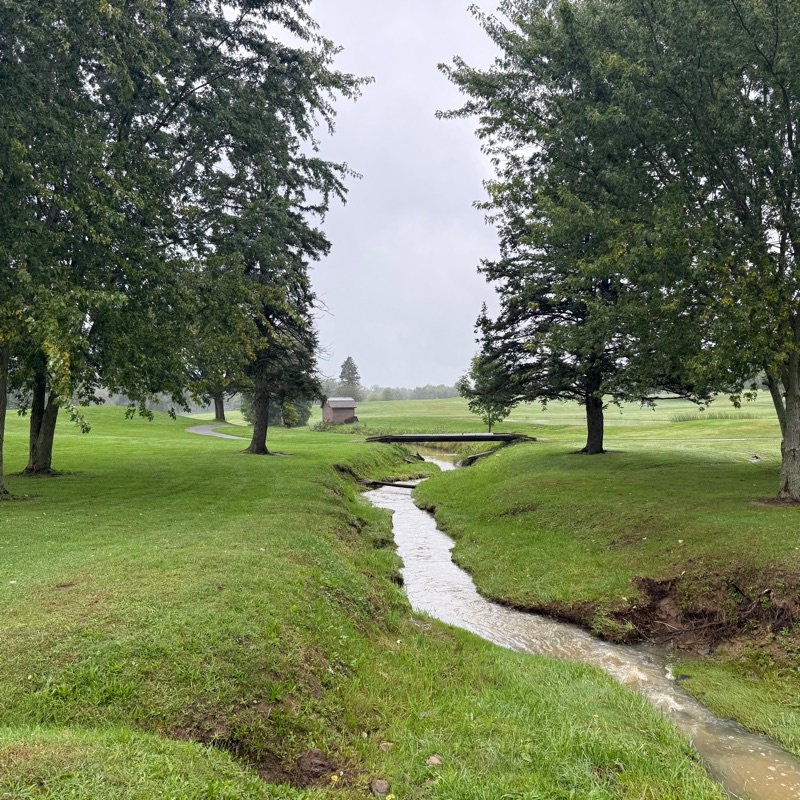
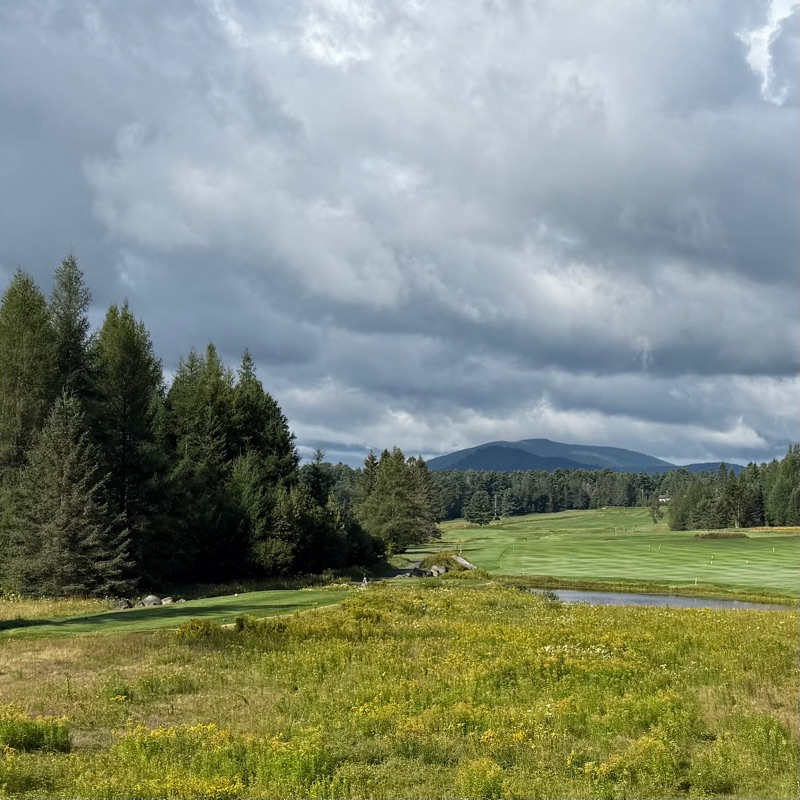
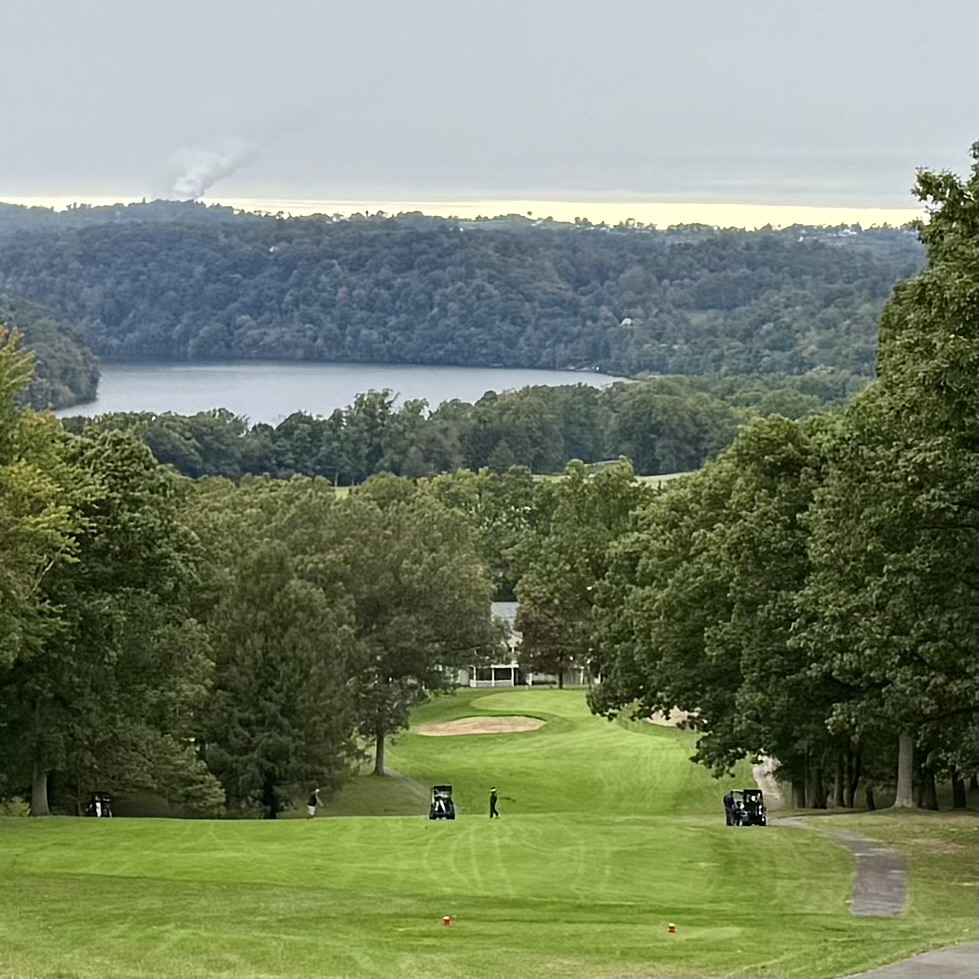
The Valley Links is a user friendly nine hole course that the resort, for better or worse, is turning into a full eighteen. While this will give French Lick 63 holes, making it one of the largest golf resorts in the Midwest, it is in my opinion a net loss as families and junior golfers will have to turn to the new Sand Creek pitch and putt course for the introduction to the game. I know these short courses are all the rage, but a regulation nine allows bonding, a connection to nature, and offers a wide variety of shots that give young people experience. Kids 12 and under play for free while 13-18 only pay half price. Those are two reasons why I believe they should leave it the way it is.

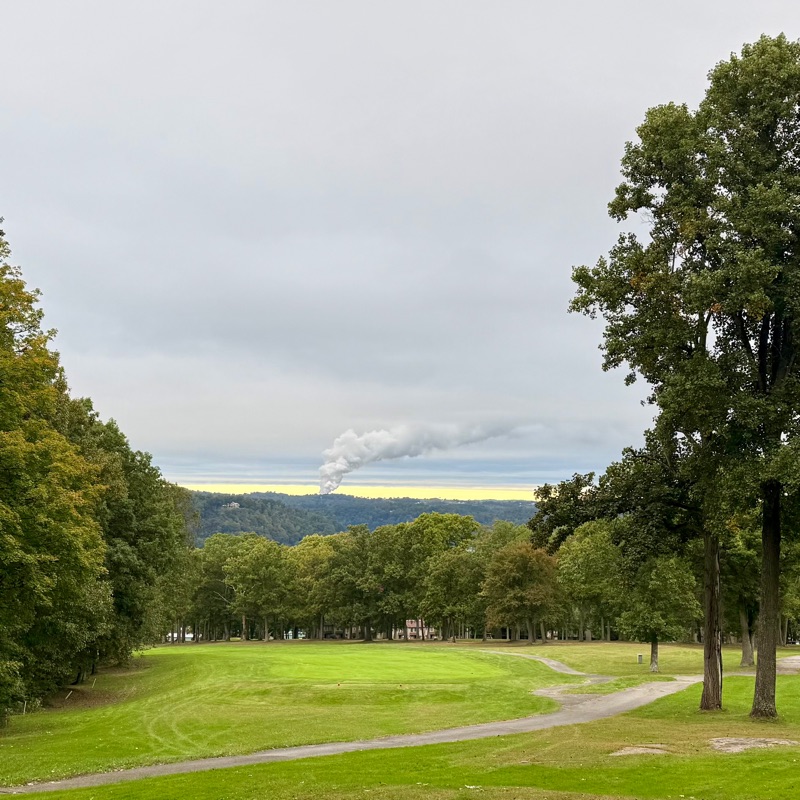
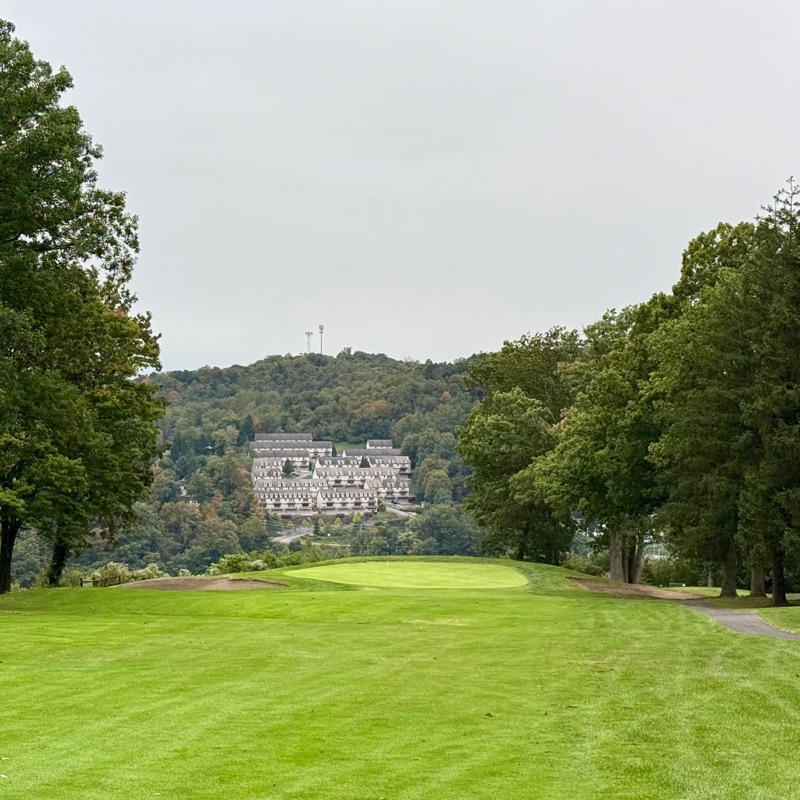
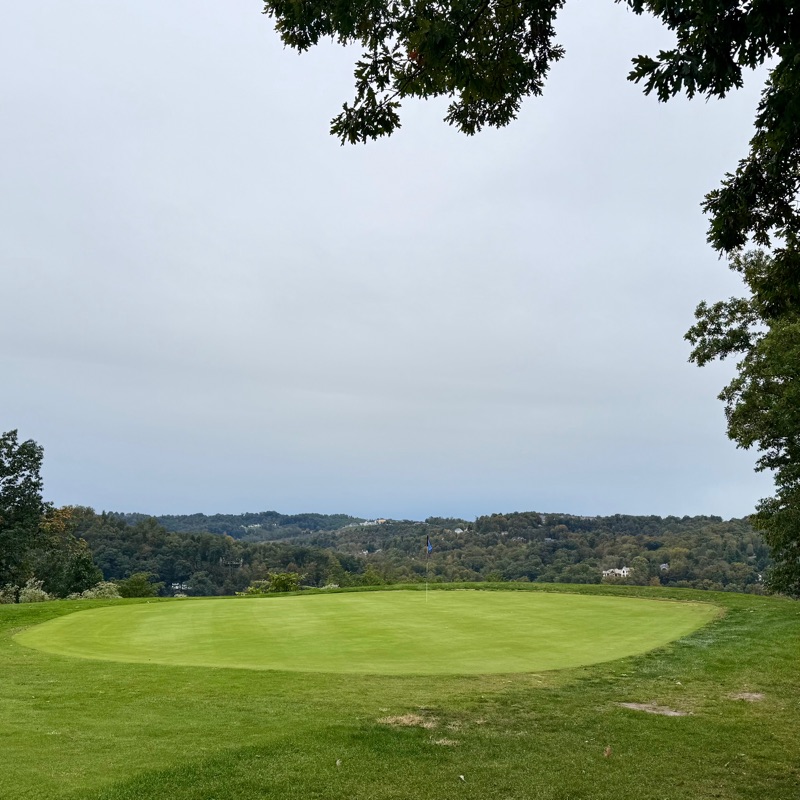
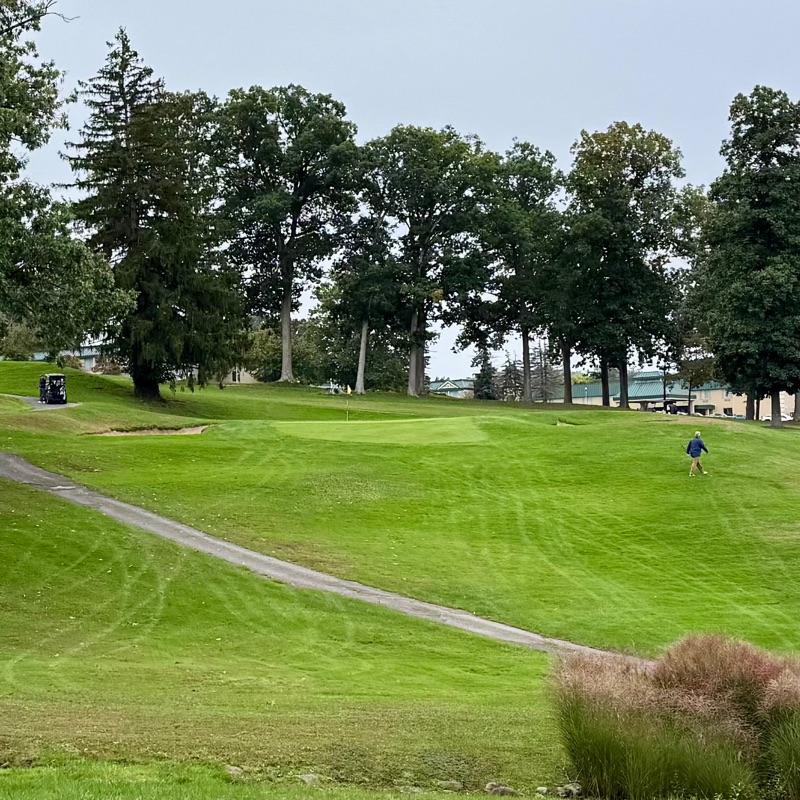
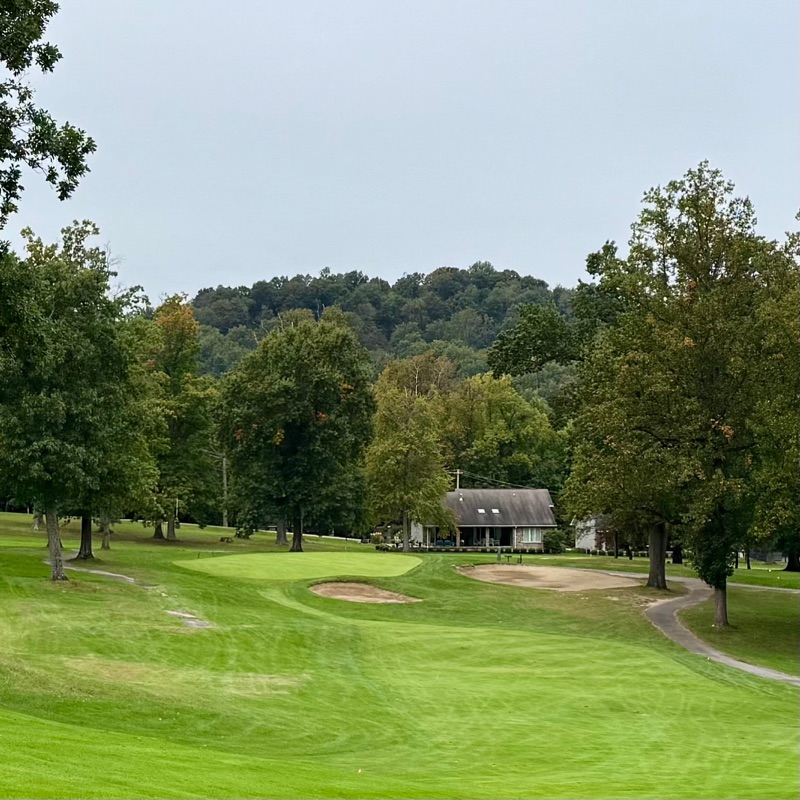
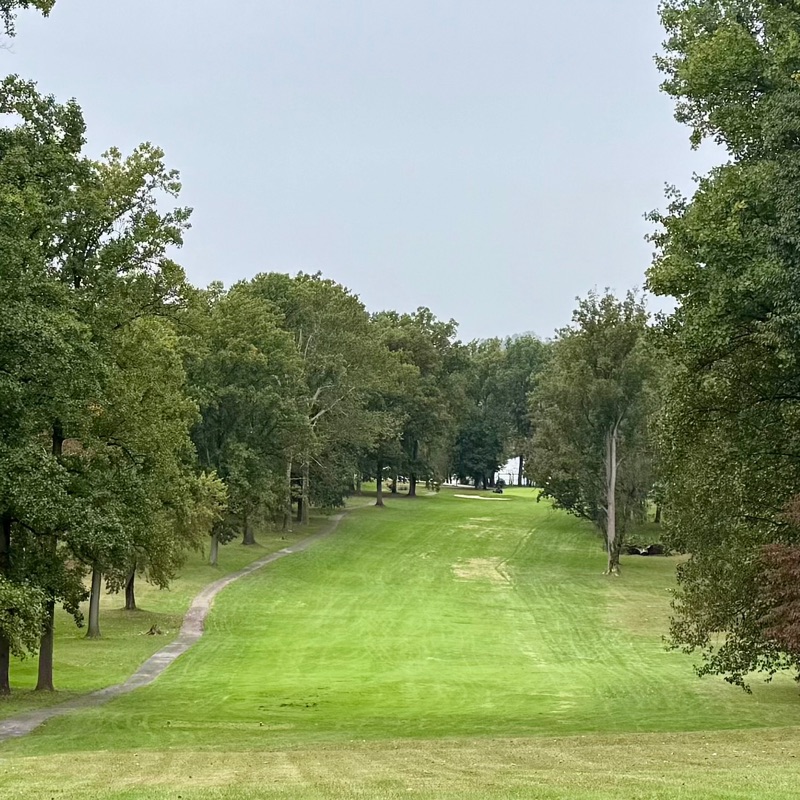
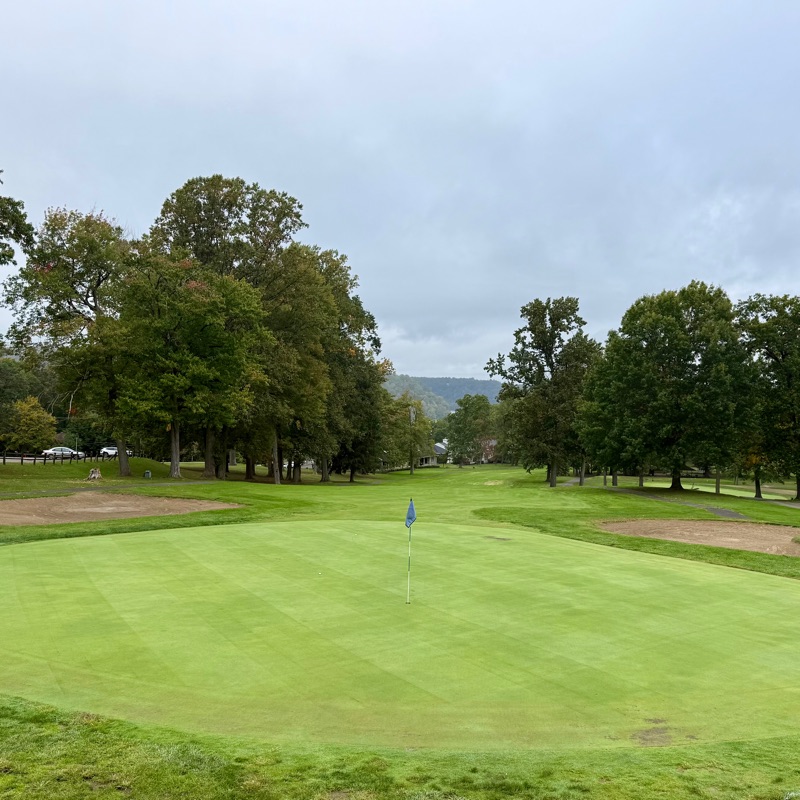
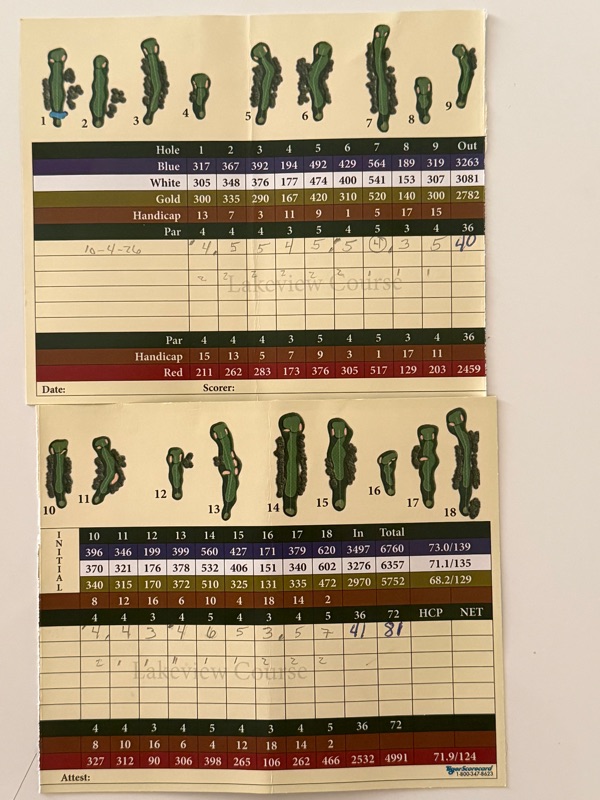
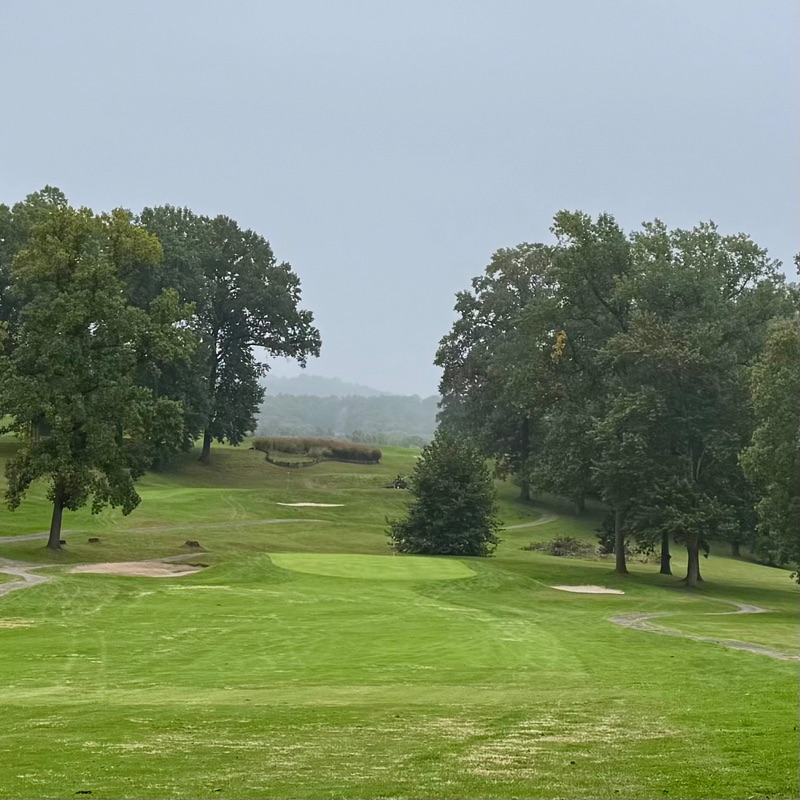
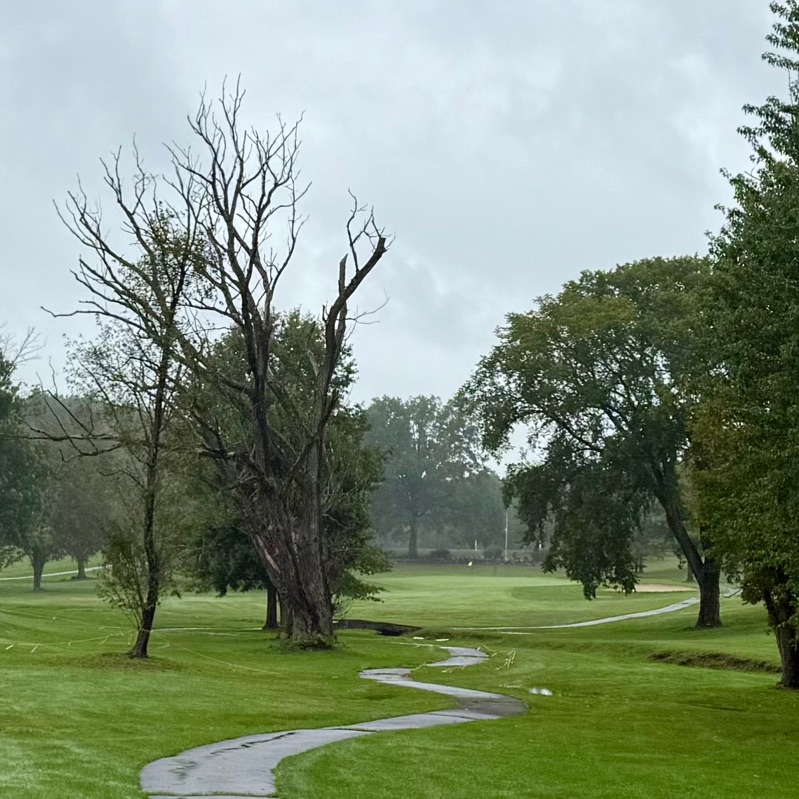
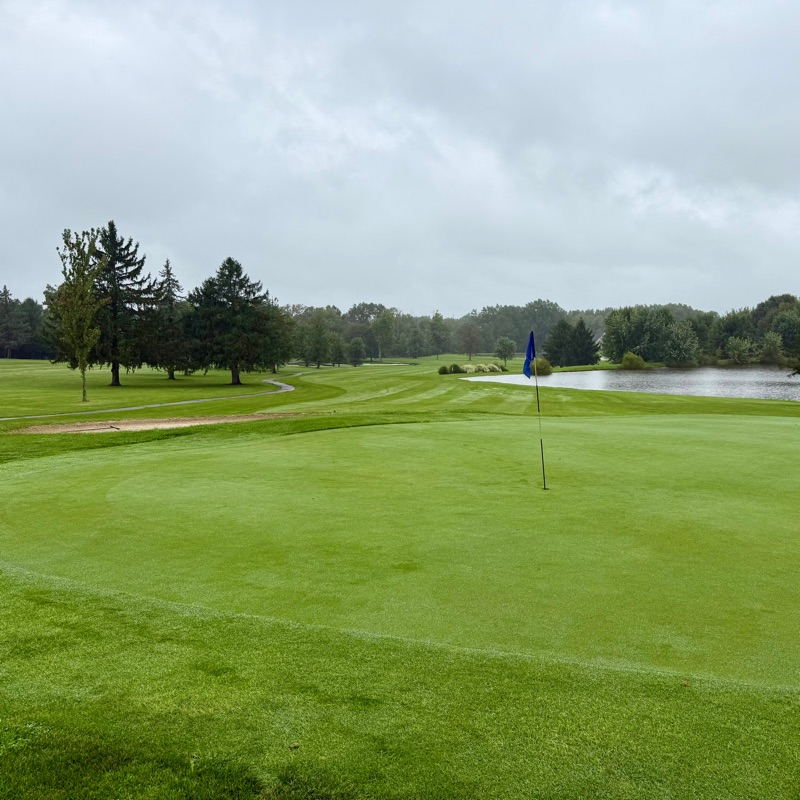
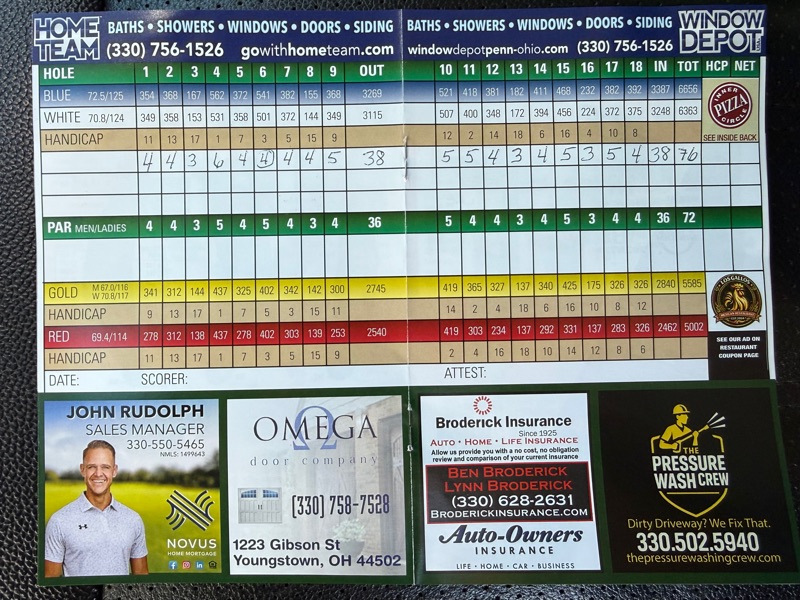
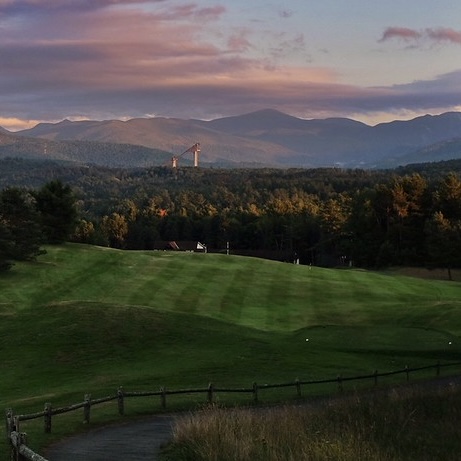
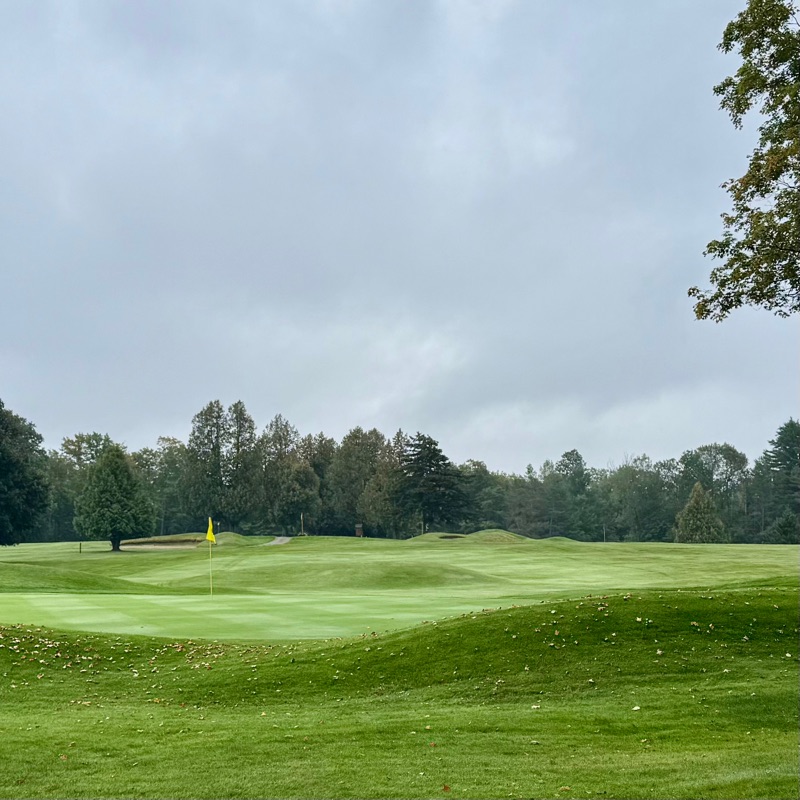
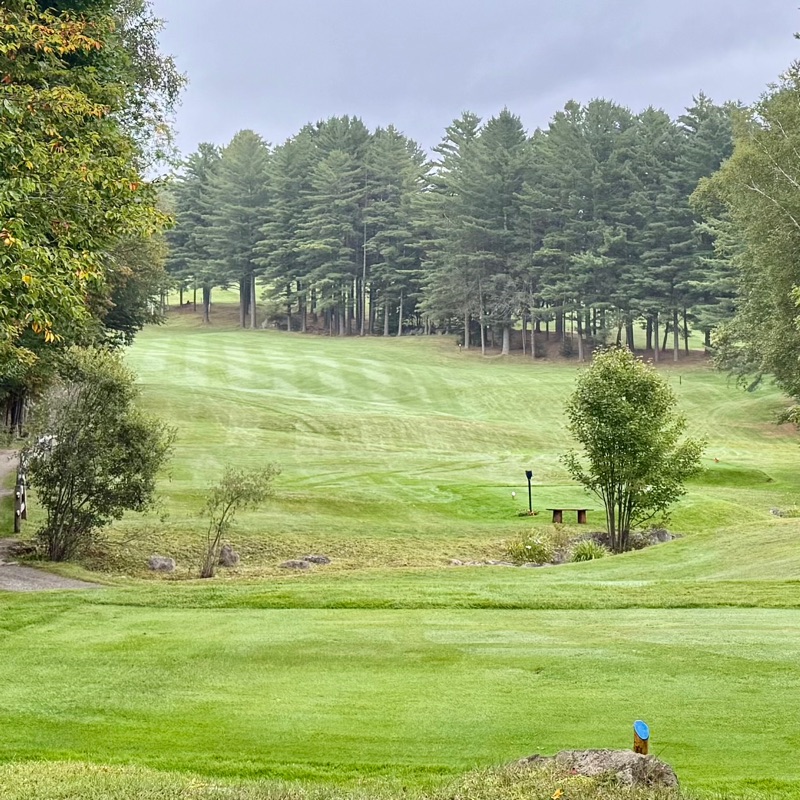
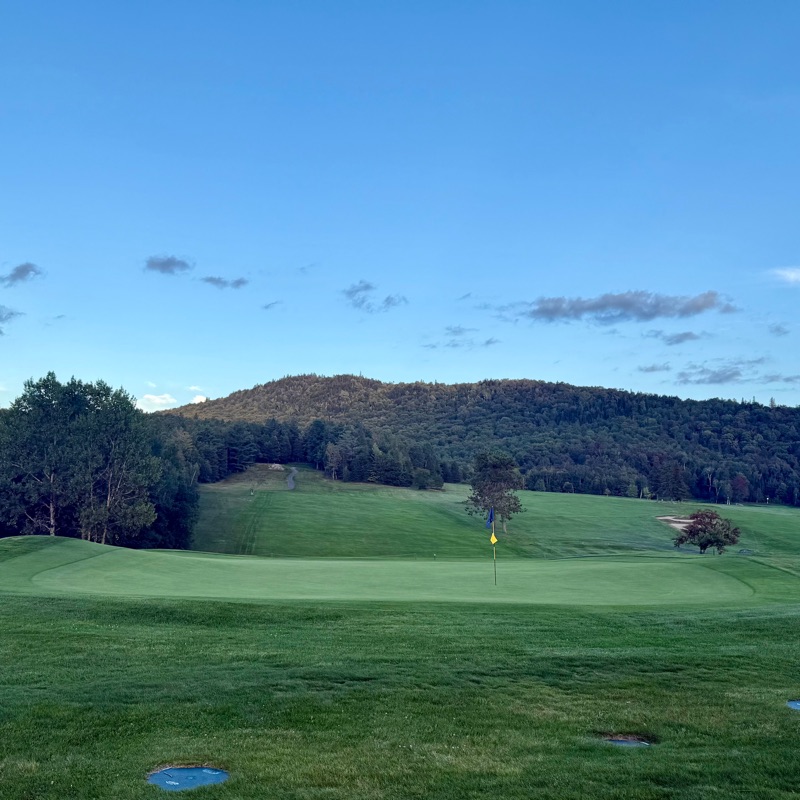
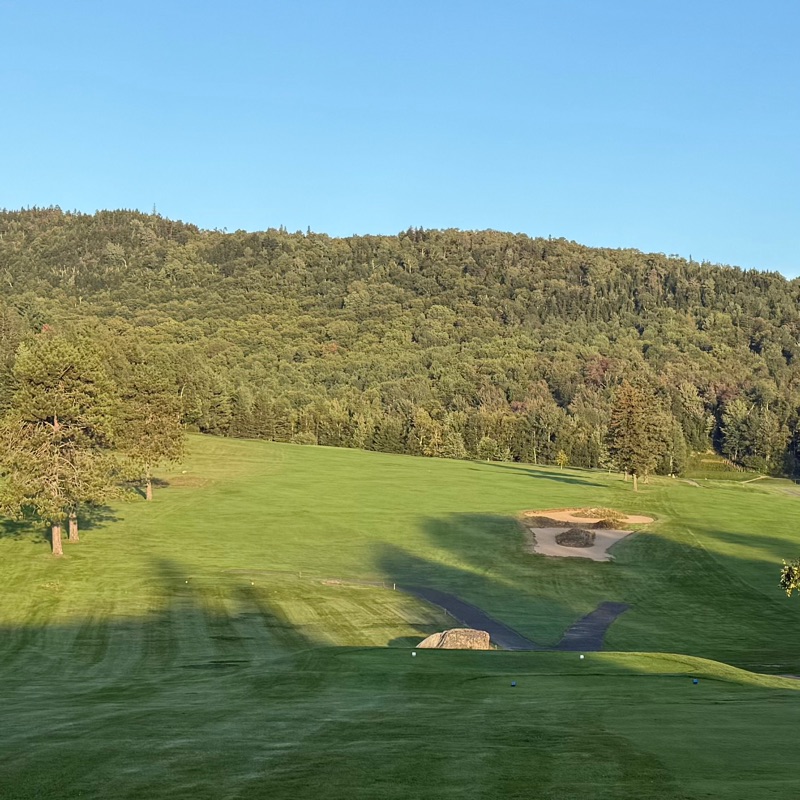
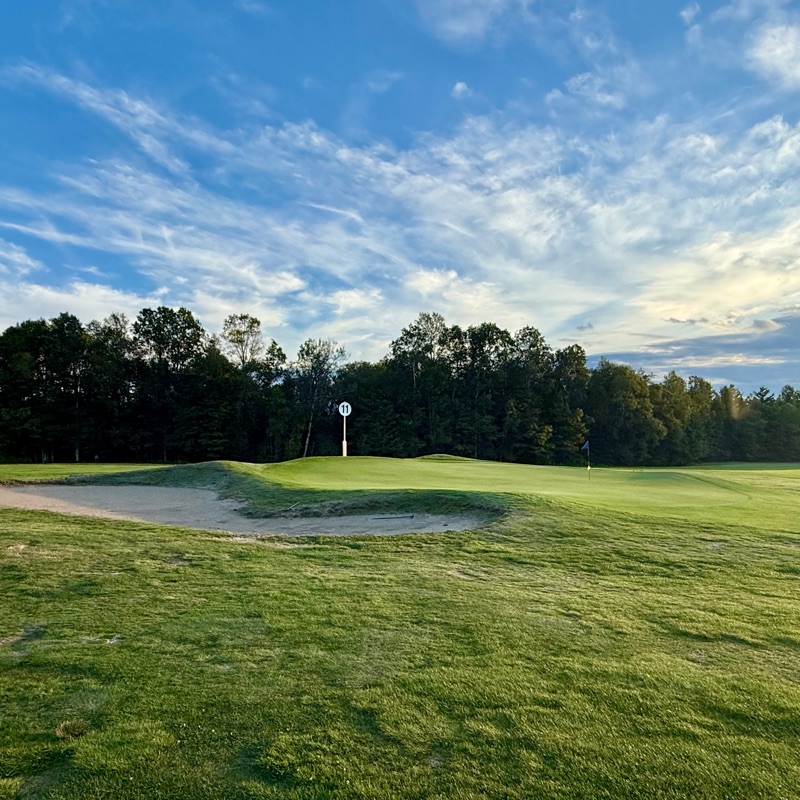
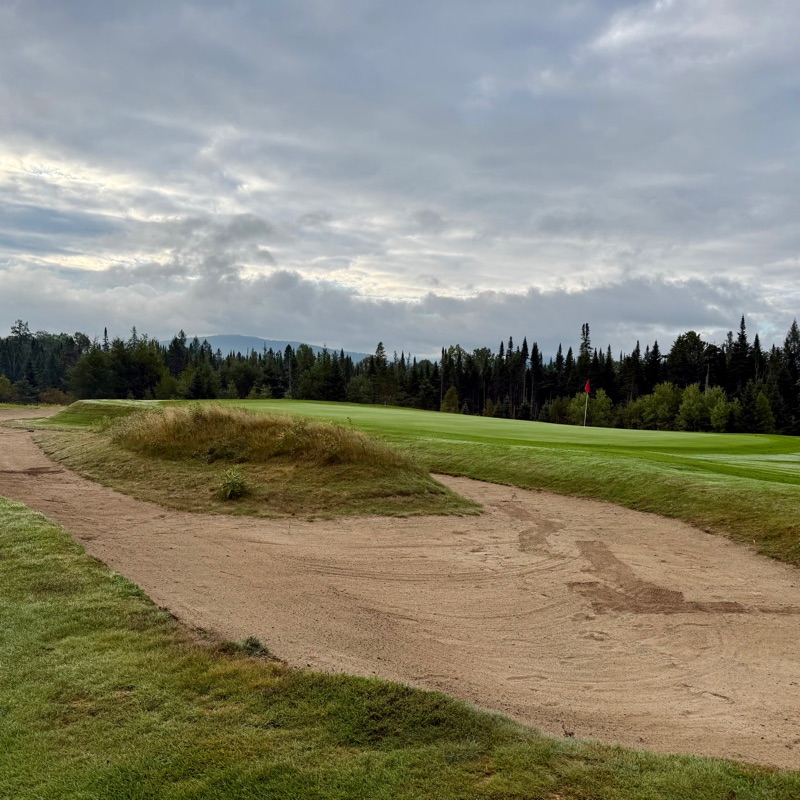
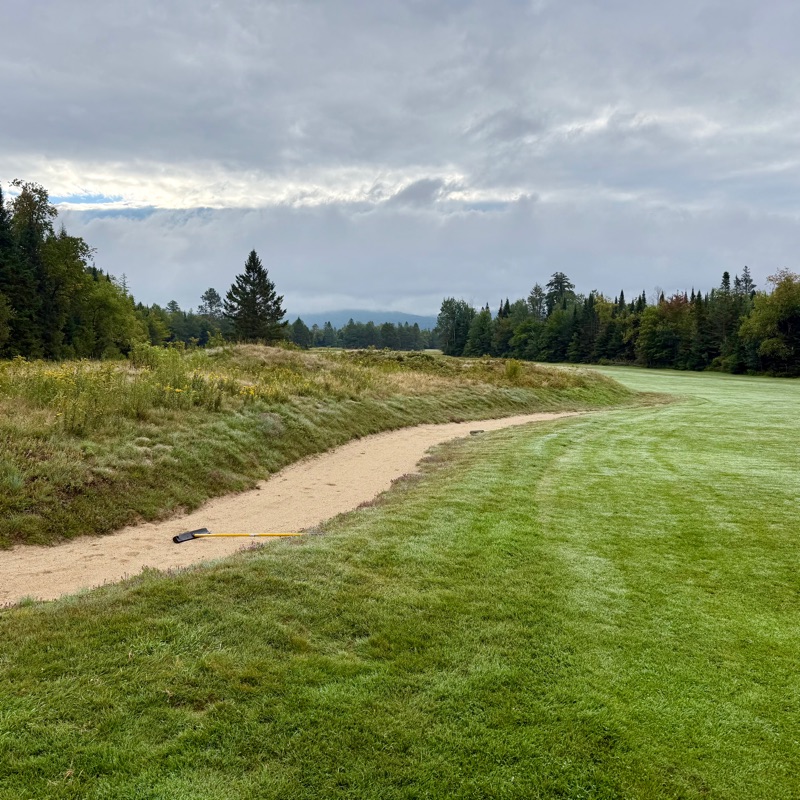
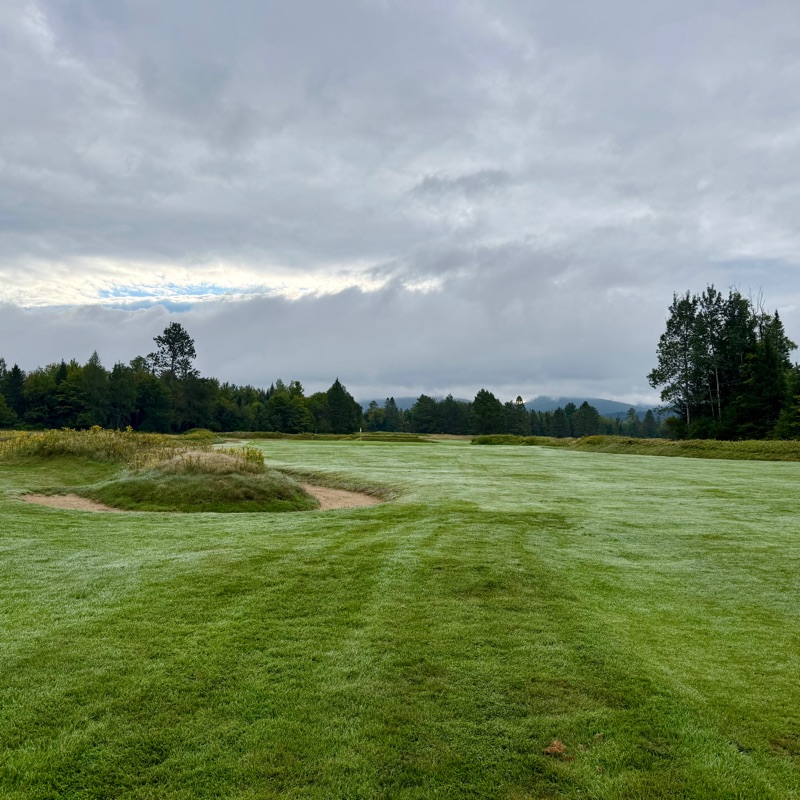
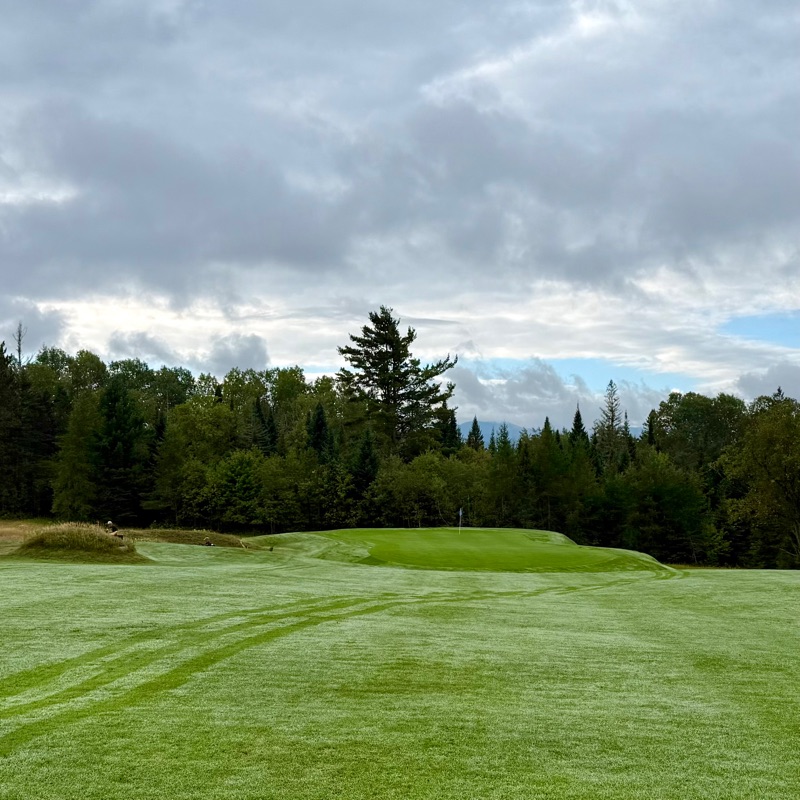
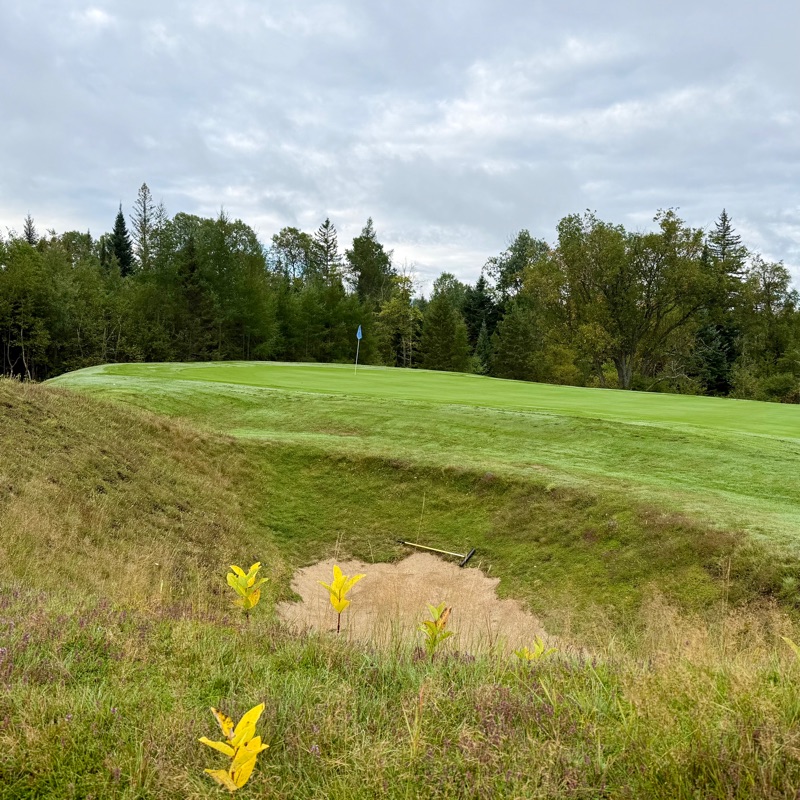
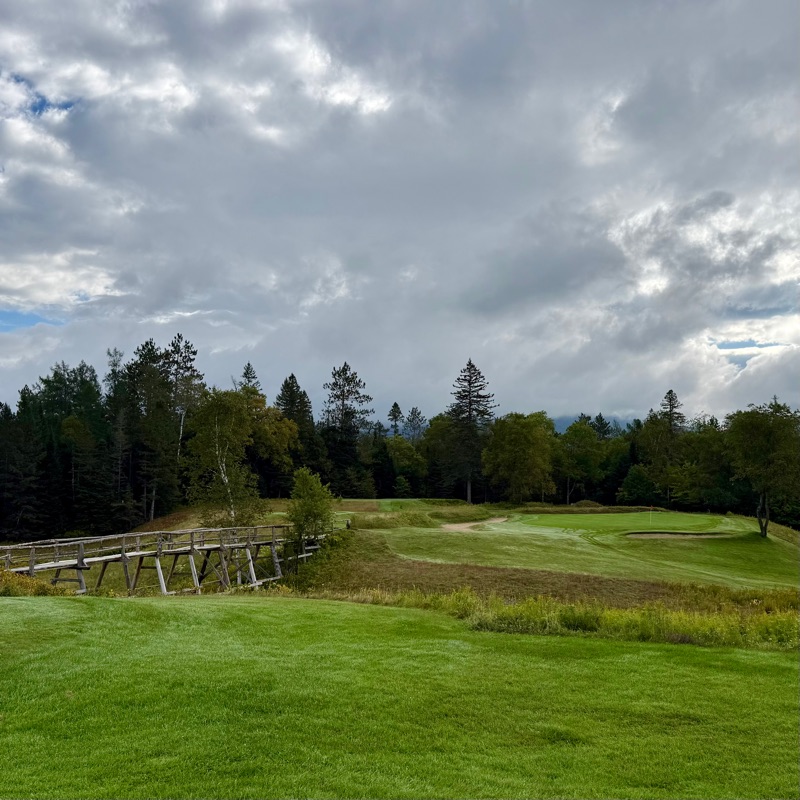
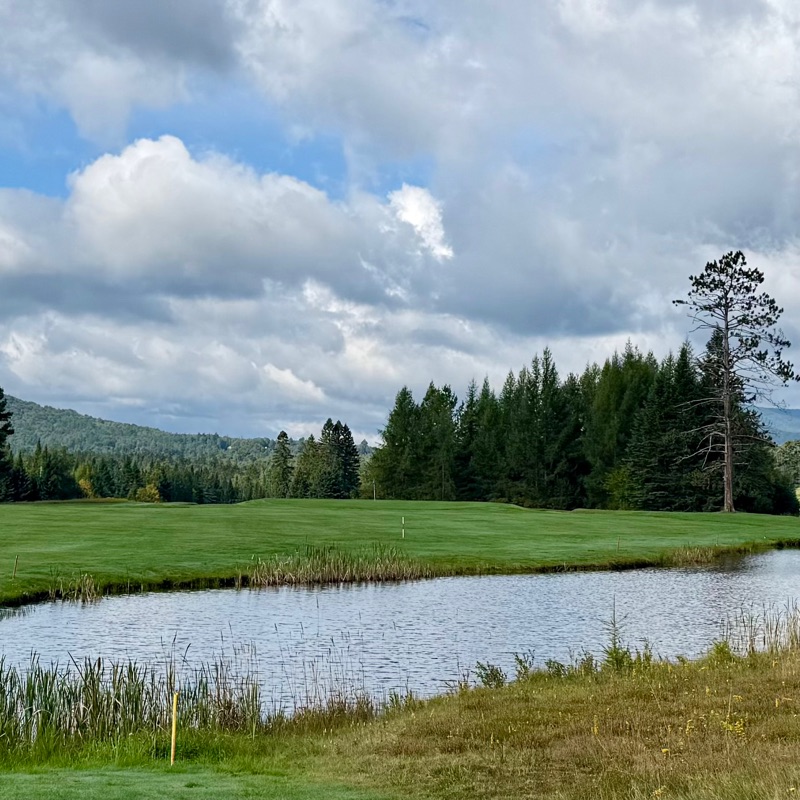
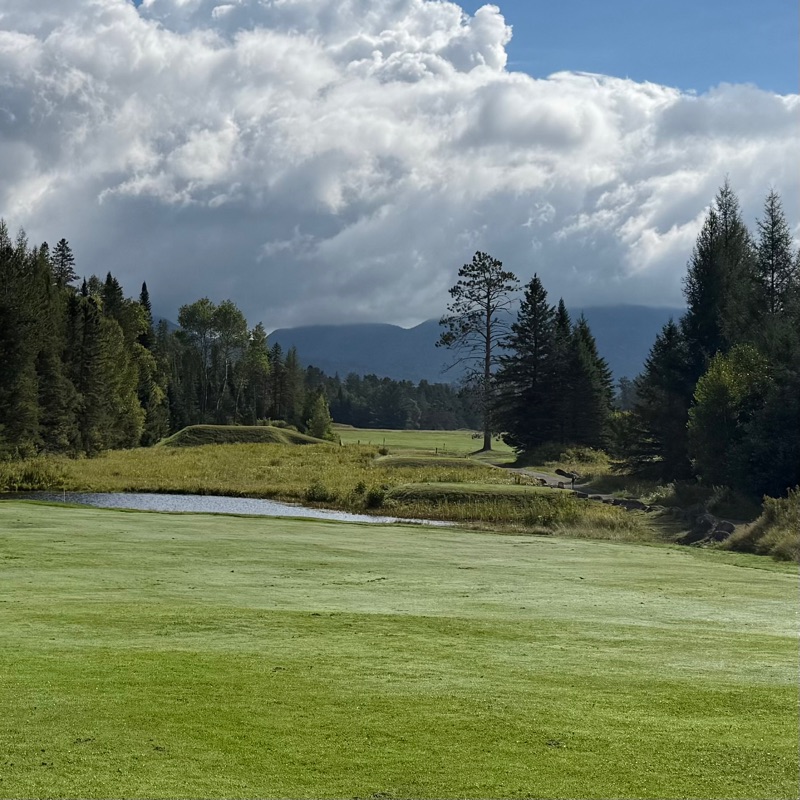
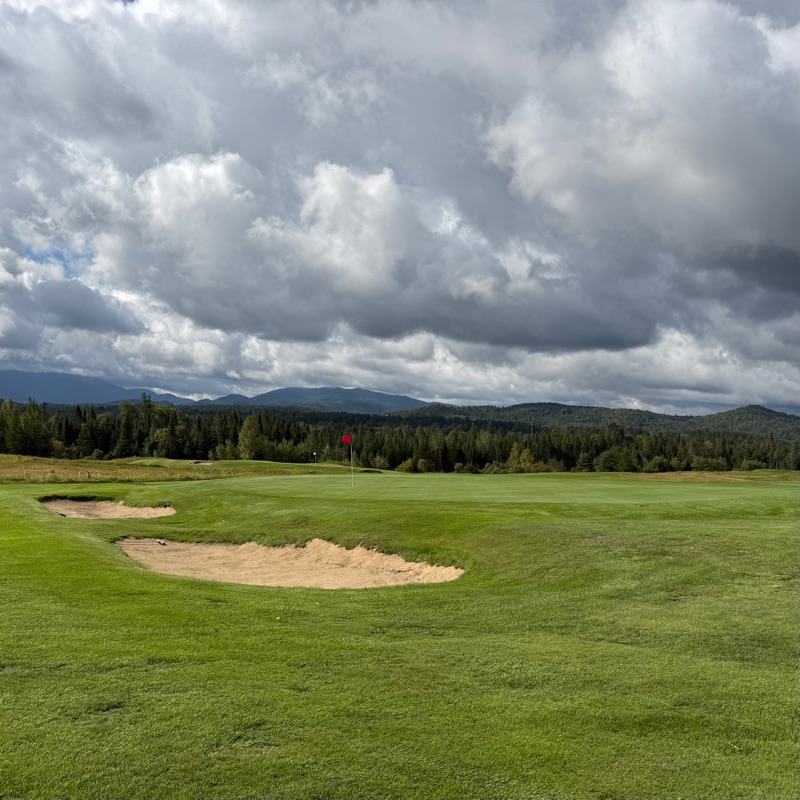
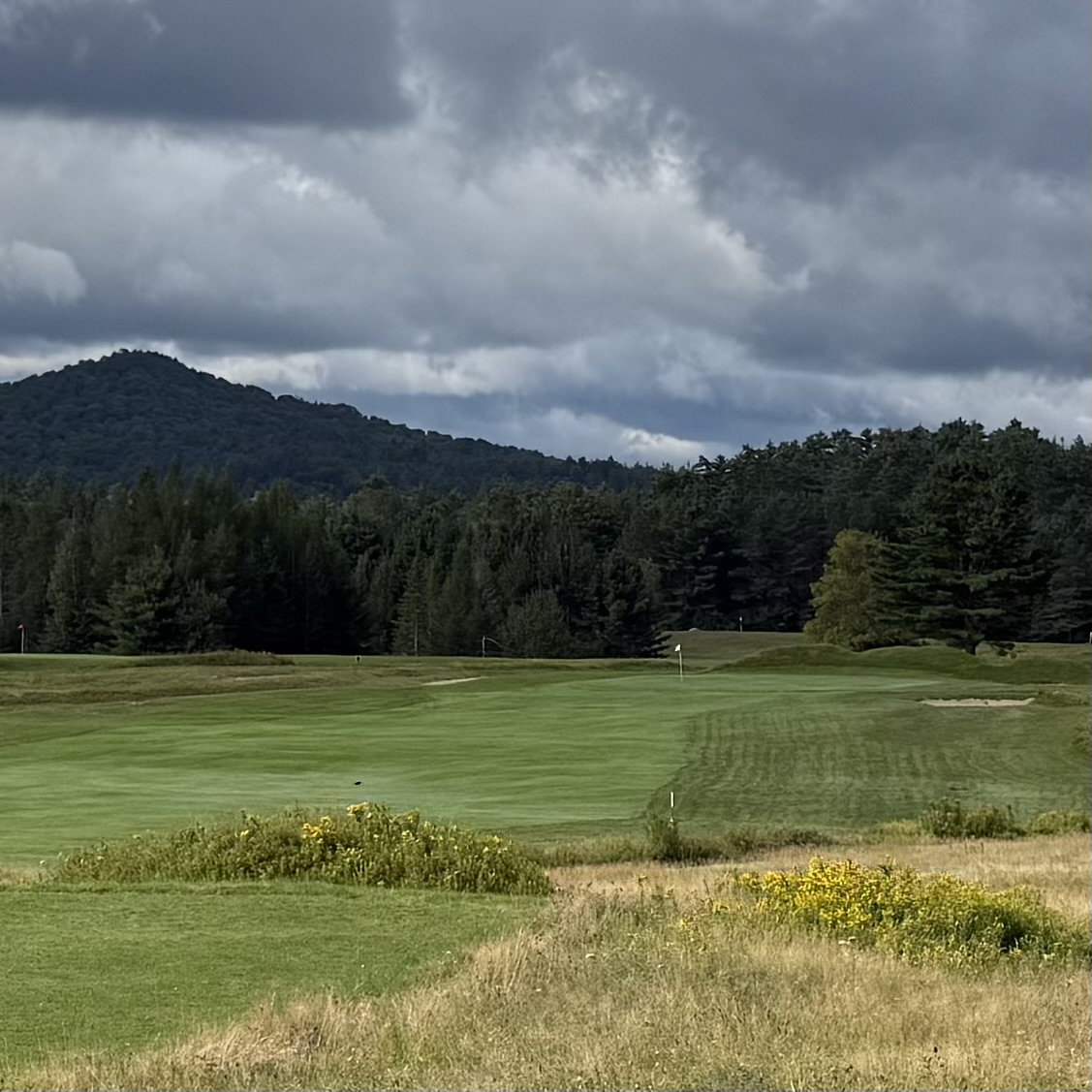
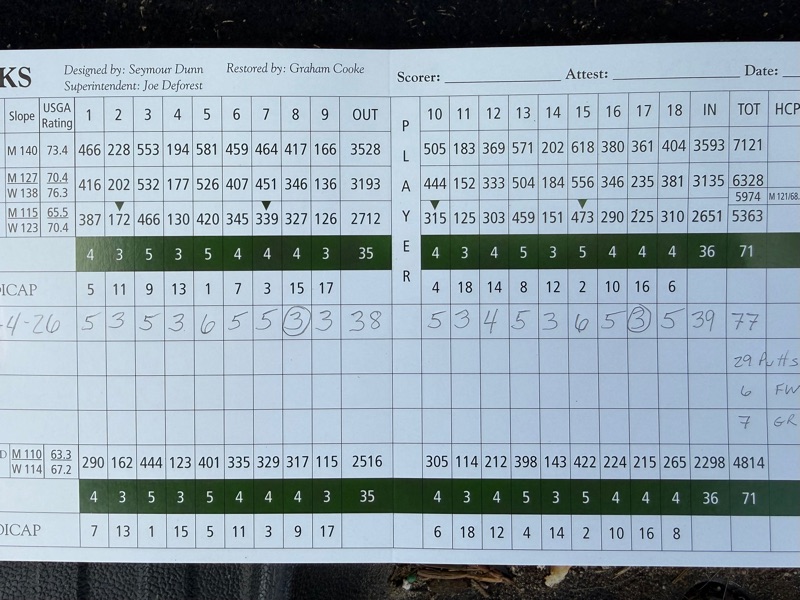
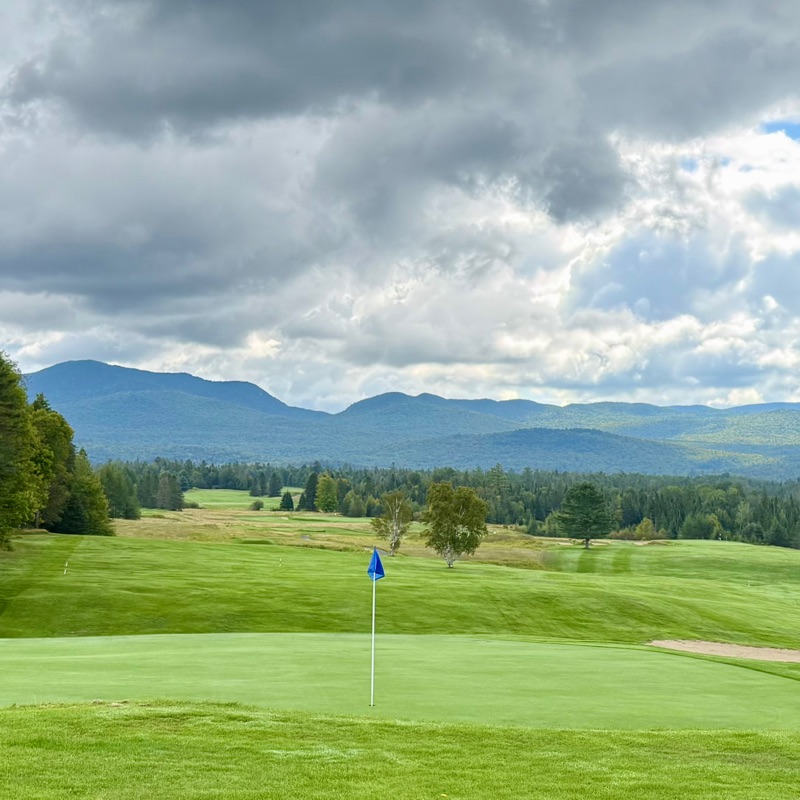
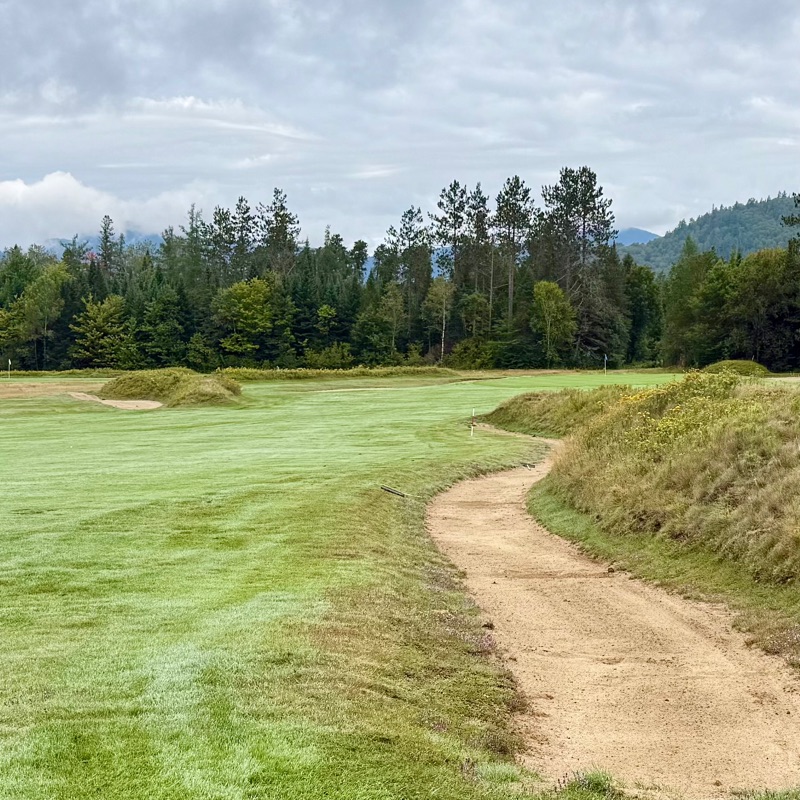
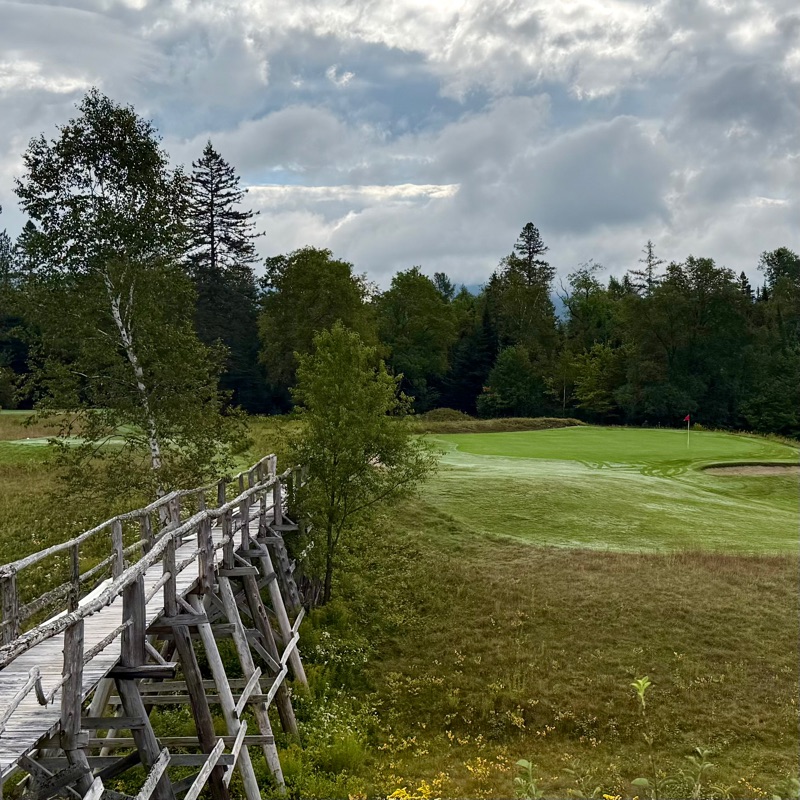
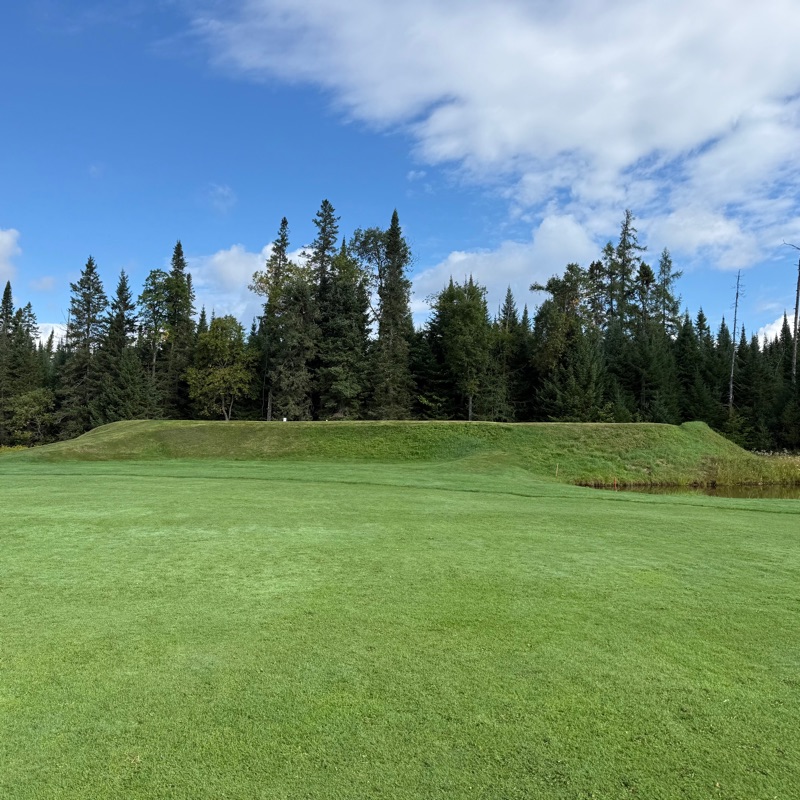
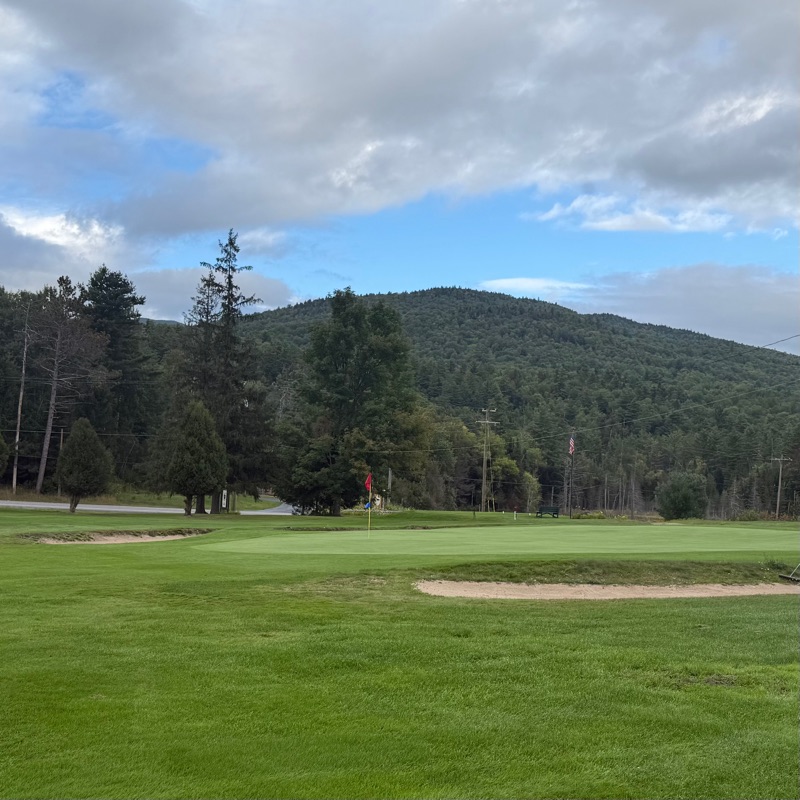
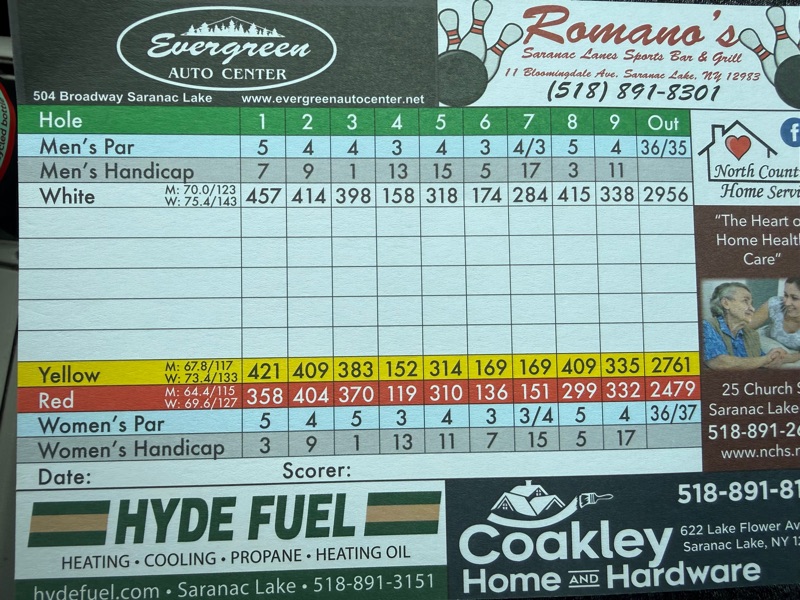
The Valley course was designed by Tom Bendelow in 1907 and later updated by Lee Schmidt. It originally was eighteen holes (one reason why many are okay with expanding it) but was reduced to nine. The present nine holes is a basic out and back routing. The first two holes are short par fours which should give the player easy pars. The incredibly long par three third, 243 yards, will prove to be the toughest hole. It’s plenty flat and plays every yard. The short par five fourth follows, and then a it’s onto a couple solid par fours. The par four fifth has a cool greenside bunker that has three grass islands inside it. The only topographical feature is a rise where the seventh green and eighth tee sit. They are both scenic holes, a 170 yard uphill par three and a downhill 495 yard par five. The eighth has a hazard crossing the fairway, and is big moment for those who can drive over it. The ninth finishes with a strong par four. Looking at the scorecard, it has good length and most will find matching its par 36 a challenge.

(The 435 yard par four fifth has this cool bunker guarding the green…

…being a long par four brings every one of those islands in play. Expect some uncomfortable stances when the ball trickles in.)

Pete Dye protege Chris Lutzke is redoing the course, and you can be guaranteed that he will try to match the Dye course atop the hill. I’ve seen the schematic routing and there’s an island green which will be the seventeenth hole. I’ve seen Lutzke’s Eagle Eye in Michigan, and he does a great job matching Pete’s architectural style. Surprisingly the project isn’t getting much publicity so I’m interested to see if that changes when the new course is near opening. As is, the valley course is a simple 3 (average)(worth driving 15-30 minutes to play).

(Today’s Valley course are holes 1-9 with the ninth being the opening in the present routing…

…you can see the hole numbers on the left so the island green will be 138 yards. Several holes will be altered with the uphill par three sixth coming at a completely different angle than present seventh.)

(I played the blue tees at 3,041 yards. The cost was $50. It’s a bit pricey but I’m willing to absorb it if kids are free or half price depending on their age.)

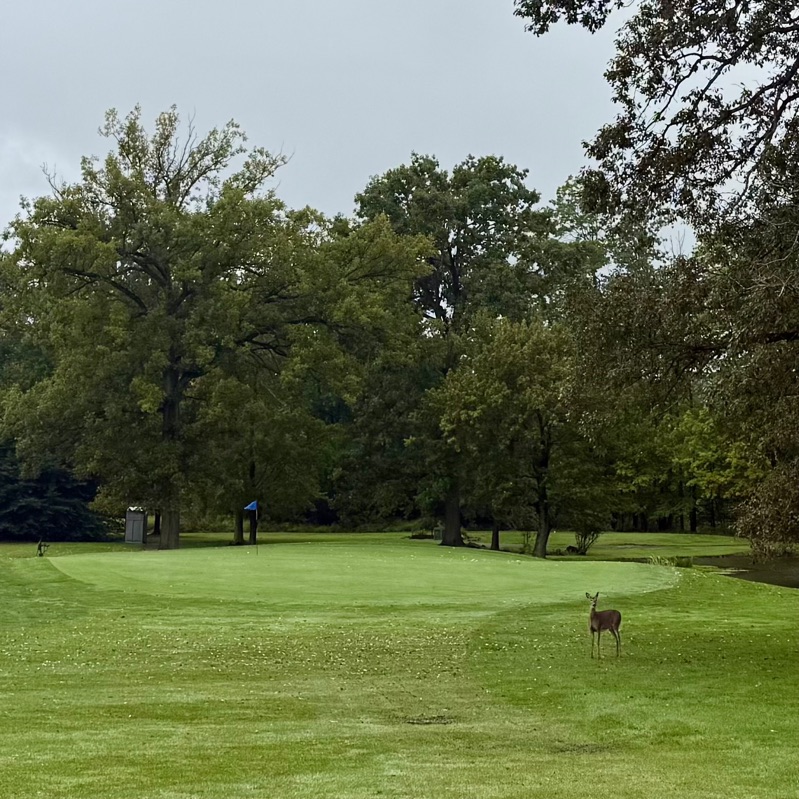
(Worm cam photo!)

(My new caddy will be working the drone for upcoming blogs. Hopefully we can get some really cool pictures!)

Wednesday, April 15, 2026

French Lick - Donald Ross Course (French Lick, IN)

#99 Top 100 Public (Golf Digest)

#57 Top 100 Public (Golf Magazine)

#90 Top 100 Resort (GolfWeek)

#2 Best Public Courses Indiana (GolfWeek)

Where did these greens come from?! Most people equate Donald Ross with Pinehurst and the turtleback putting surfaces that define it but his earlier work was characterized by bold features with bowls, tiers, knobs, and rolls. Take the picture above of the seventeenth hole. It has two levels with five feet of slope separating them! While the lower level provides accessibility and birdies, the upper demands precision, and often times, difficult recoveries including putts from below. It’s this type of fearlessness that sets French Lick Donald Ross course as one of Ross’ best.

(The 240/194/166 yard par three fourth hole plays across a valley to a green set in the hill. The cross bunkers short define the least amount of carry you must make while the terrain slopes away left and right. Behind the green is a canted bowl that allows a long iron to release and roll back onto the putting surface.)

(The 249/210/153 yard par three sixth plays across a ravine to a bilevel green that stands alone atop the crest of the hill. One must carry it all the way to the putting surface (the picture flattens out the slope). The black tee was nearly forty yards back of its regular spot when we played it at a 189 yards. A par is a great score.)

(The 252/228/208 yard par three thirteenth is an incredible hole. Depending on the tee box, it’s actually uphill and carrying that cross bunker becomes the goal. We played it in a hurting crosswind. My ball ballooned up in the air and finished in the grass face. I was able to hacked it out, but it trickled over the green. It was an easy double bogey. The green has three tiers, each slightly barreled, making a chip or pitch a delicate situation. It was my favorite hole.)

The Ross course sits on a tumbling piece of property full of hillocks and valleys. The holes spill and rise over the land, leaning and canting to well guarded greens. Ross used a butterfly routing with the first and tenth playing parallel to each other, one dipping into the valley while the other plays along a ridgeline to a pulpit green. The course is loaded with strong par fours, twelve in all, but it’s the par threes that are the lynchpin, transversing the most severe parts of the property with three of the longest (from the tips) one shotters you’ll see on a public course.

(The 422/401/394 yard par four first plays downhill before slightly rising to a well bunkered green. The Ross course is not too stringent on accuracy, allowing loose drives to be found…

…meanwhile the 383/374/363 yard par four tenth plays straightaway to a green that has been raised several yards above the fairway. While a tad shorter than the first, the green proves a bit elusive as players tend to be short with their approach.)

As I said in the opening paragraph, the greens are unbelievable! Tom Doak said in his Confidential Guide that these were the most audacious greens he has seen on public Donald Ross course. Besides the big slope on seventeen, the eighth green drops seven feet from back to front. Other holes have steep pitches too. When I stopped by the day before, I watched two men putt off the green and down the fairway on the eighteenth. When you add in the ridges, rolls, and knobs, reading the breaks and hitting confident putts becomes extra important.

(The 151/133/119 yard par three sixteenth is almost one hundred yards less than the previous three! It’s just a short pitching iron but a couple internal mounds makes a star shaped area for hole locations. There are multiple ways to spin the ball towards the hole. A front right flag will prove really spicy as only one slope will be helpful.)

(This is the 392/368/305 yard par four eighth green and its seven feet of slope from back to front. There’s a grass ravine short of the putting surface so players tend to hit long and spin the ball back. Unfortunately that doesn’t always work and one is left with a dreadful putt like the man on the right. The pin in picture is in a bowl. You can sort of make out the upper left and right tiers plus the pseudo bowl on the upper front right.)

It’s too bad this is a resort course because multiple plays is needed to fully appreciate all the nuances. As a daily fee or private club, the returning player could explore and execute a wide variety of cool shots. That maybe the biggest reason why the course flies under the radar and is undervalued by the publications. If it was in a major metropolitan area, it would be critically acclaimed. My personal nitpick is the seemingly constant uphill approach shots. The course plays a solid 400-500 yards longer than is listed yardage. Nonetheless, the course is really good and a great study if you love wild greens. I give it an emphatic 7 (great)(worth driving 3-4 hours to play).

(The 420/418/394 yard par four eighteenth plays across a valley to a rounded fairway. The long hitter who carries it to the top will benefit and have his ball race down the other side…

…the approach is uphill to a skyline green. The putting surface slopes to the front right with a shallow tier going across the back. A four is a fine score.)

(We played the Black tees at 5,950 yards. Note the course and slope rating from those tees! 70.4 and 139! Yes it’s under 6,000 yards and a half stroke higher than its par 70. Unfortunately we had to tee off in slight rain, and only played five holes in okay conditions. At the tenth, a cold front came through dropping the temperature 10-15 degrees while it misted in a stiffening wind. If it wasn’t for my 500th blog, I’m not sure I would’ve played. It was really difficult. The cost was $175. Walter Hagen won the 1924 PGA Championship here with a 2&1 win over Jim Barnes.)

Blog 500

Monday, March 30, 2026

Golden Horseshoe Golf Club - Gold (Williamsburg, VA)

#55 Top 100 Public (Golf Magazine)

#75 Top 100 Public (Golf Digest)

#57 Top 100 Resort (GolfWeek)

#3 Best Public Courses Virginia (GolfWeek)

There’s a lot to like about the Golden Horseshoe, the least being the wonderful connection the club has with the town of Williamsburg and its colonial roots. It’s one of the few places in our country where the past comes to life, and this spirit permeates the atmosphere of the club. RTJ sr designed the Gold in 1963 on a rectangular parcel of land where a deep ravine and lake divides the property. This natural feature harbors four holes including three of the four par threes that are arguably the best set of one shotters in America.

(The 498/476 yard par five second is the rare instance where a tiger golfer is pressured into making a swing he may not be comfortable hitting while the casual player lays up before playing a short iron third…

…even the single digit player might take up the challenge of hitting across to the green. Everything depends on the roll out of the drive. Then the question becomes how good are you at elevating the ball from a downhill lie? Only a hole and a half in and the course is demanding answers to your golfing skill.)

(Playing through a chute of trees, the 201/174 yard par three third plays downhill to an oblong green set into a bowl. The putting surface is shallow, forcing you to have a good number and the correct club. Par is a good score!)

(The 348/337 yard par four fifth should be a good birdie opportunity but the green floats above its surroundings with a left side sand trap providing the only safe spot should you miss the putting surface. Today’s pin in the rear is a real beauty.)

(The 485/471 yard par five sixth is your best chance for birdie. Clear the hill and you will have a shot to reach this in two…

…the green sits atop the rising terrain with traps guarding the front left and right. Note anything lost to the right is a penalty so casual golfers will plot their way down the left and attack from the bottom of the valley.)

(The 206/186 yard par three seventh is all carry over the lake to a green benched in the hillside.There is literally no where to miss. A mound separates the rear and front tiers making long range putts exceptionally difficult to two putt…

…I love the wooden bridges. Look how high up the green sits on the hill. What a great par three!)

When RTJ sr designed this course, he stated it was one of his best efforts. Besides the four valley holes (2,7,12,16) one would point at 5,10,13,17,18 as very strong. The course is tight and requires you to shape your drive into the fairway. The tenth is a long par four that forces your hand to hit a long fade with a ravine on the right and trees left. The seventeenth is unbelievably tight as it is a narrow chute for 100+ yards. (The back tee is claustrophobic) Eighteen is a bit out of character with the rest of the course but only because the left side of the fairway leaves a pseudo blocked out shot. You’ll have to hit a controlled draw that takes the bank of the fairway and rolls to the green. It’s exactly the type of course you’d expect from the 1960s.

(The 188/169 yard par three twelfth hangs out into the lake with water not only guarding the front and right but also long. The bail out left is very tempting. My shot (143 yards) hit several feet short of the flag and rolled right into the hole for an ace! What’s funny is the glare from the sun prevented me from seeing it after it hit the green. It’s my fourth hole-in-one and second time with a 7iron.)

(The 363/350 yard par four thirteenth doglegs left and demands an accurate tee shot. The approach is a beautiful short to mid iron with bunkers and a swale fronting the green.)

(The sixteenth is a 169/159 yard par three to an island green. The left half is just a sliver of putting surface while today’s pin is generously large. Note the par four seventeenth in the background. How cool is that view as the hole zooms through the trees and climbs the hill…

…this is just from the white tees. The blue and black tees are even more intimidating. This 435/422 yard par four plays very long. Expect to hit a long iron to green that is barely visible from the fairway. Par is a great score.)

I thought the Gold was beautiful, and even though tight, treelined courses are out of vogue in today’s golf architecture, it is a fine example of yesteryear’s values. The only clunkers are 8-9, otherwise it’s a strong golf course. Among locals it’s called the poor man’s Augusta because the trees bloom in vibrant colors. I give it a solid 6 (very good)(worth driving two hours to play). It’s the pick of the liter in an area full of solid public golf (Kingsmill, Stonehouse, and Royal New Kent).

(I played the white tees by myself (6,248) which put a damper on my hole in one, however, is that the ultimate bounce back or what?! Double bogey- ace!! I’ll take -1 on these set of par threes. I’m still inconsistent with my driver which led to most of my bogeys. I paid $165 which is a fair price.)

(The 444/431 yard par four eighteenth doglegs left where the primary goal is to drive it past the trees or down the right side to gain an angle. The green is downhill with water left and sand front. A banked fairway will take a controlled draw and run it between the bunkers onto the green. The starter told me the old guys will hit 4-5 shots during practice rounds to perfect the feel of this shot. It’s a unique finishing hole.)

(The bridge in sixteen has a perfect view of all the water holes. Twelve is literally a stone throw away.)

(The Shoe is a nine hole pitch and putt course with holes ranging from 47-137 yards. It’s great for beginners and having fun with the kids. It’s also perfect for settling up some last minute bets. It’s only $20 to play after your first round. I should point out that there’s also a second course called the Green, both designed by Rees Jones. The Golden Horseshoe definitely has you covered if you’re planning a family vacation here.)

Blog 499

Saturday, March 21, 2026

Sable Creek Golf Course (Hartville, OH)

The CNCGA will make its first ever appearance at Sable Creek in 2026. It’s a couple miles east of Seven Hills CC, a league favorite that was considered one of our best courses but unfortunately is NLE. I would’ve thought Tannenhauf, a James Harrison/ Fred Garbin design five miles further would’ve been the option to fill the void in the Hartville area but instead it’s Sable Creek that many believe is the better alternative.

Sable Creek has 27 holes, all designed by Dave Cavalier (I assume he’s the owner) and they were built in three different phases starting in 1994, then 1997, and 2002. It reminds me of Mallard Creek, a 36 hole facility that caters to the recreational golfer. The course is wide open with little chance to lose a ball. In the past I used to be critical of these types but I’ve come to realize their popularity with the golfing public, and how sustainable the business model is. In fact, there’s a handful of holes that are quite challenging, and coupled with the lengthy par threes, will keep par relevant. The course is well kept which adds to its wide spread appeal.

(The 395/373 yard par four second on the Black nine is the most difficult hole on the course. You can see the dyke that keeps the creek back on the left…

…the approach is then hit to a large green protected by the creek front and a tree left. Short drives change the positioning of these hazards, and make the approach even more dangerous…

…a small tongue extends short of the tree with little room to land the ball. Expect many second shots to bail out far left.)

(The 362/328 yard par four fourth on the Black nine features a pond left of the green. The water hazard extends over 100 yards down to the landing area, and make the drive and approach both demanding shots.)

(The 186/177 yard par three ninth finishes the Black nine off with a long shot to an elevated green. A back tier extends across the entire length of the putting surface and makes those the hardest pins to access.)

Sable Creek will be a welcomed addition to the association. The first four holes (the Black and Maroon nines are the designated eighteen hole loops) are a tough beginning to the round. With the dangerous second and fourth holes, where water is in play on both the drive and approach, coupled with the lengthy first and third, one can squander their entire inventory of handicap strokes. Distance is definitely the course’s main defense. Three of the four par fives are well over 500 yards, and the par threes are solid mid to long iron shots. Adding up the total yardage for the white tees, it’s 6,353 yards might make it the longest course we play all year.

(The 507/482 yard sixth hole on the Maroon nine is the shortest par five. If one can fly the ball to the top of the hill then it becomes a reachable in two shots..

…however a pond short makes giving it a go a dicey decision. I still expect plenty of birdies as players hit little wedges in for their third shot.)

(Sable Creek stretches across the entire property and these concrete bridges are on several holes. This is the 184/166 yard par three Maroon seventh. Note the lack of bunkering. Traps are present on only a handful of holes.)

I know it’s not Seven Hills, but Sable Creek will be a fine substitute. The greens have good movement to them and are noticeably on the high points of the property. The real drawback is the lack of excitement. The course is pretty plain. I can see our lower handicap players carding a mid to low 70s round. I give it a 4 (above average)(worth driving 30-45 minutes to play).
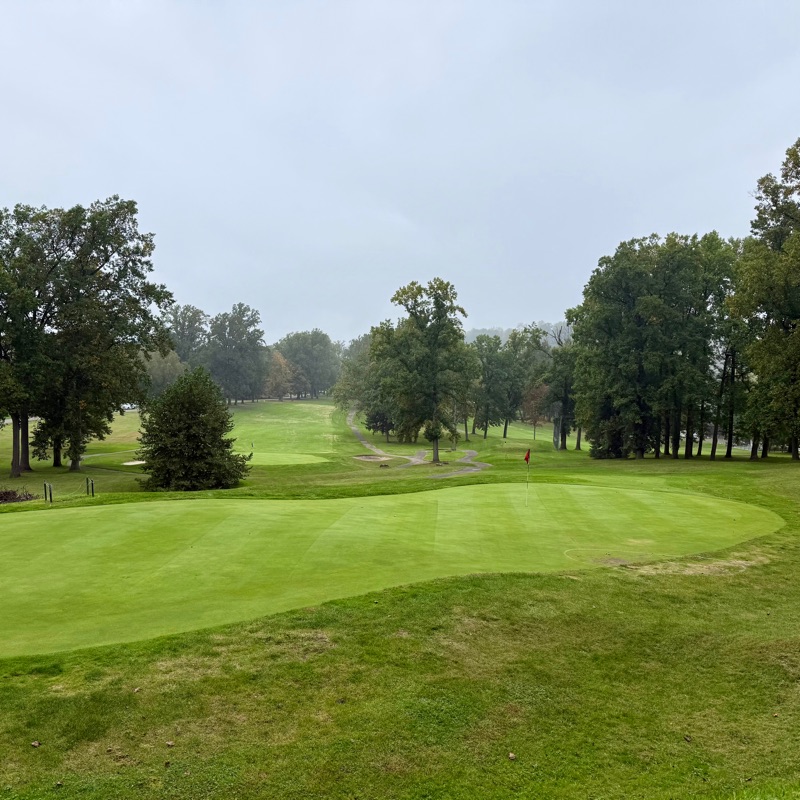
(I played the white tees on a blustery day with 20 mph winds and gusts up to 40 mph. Notice how I played the first four holes in +3. Not blowing up allowed me to shoot a decent score. I paid $30 to walk. I hope the price is similar in the summer because we need some affordable Saturdays.)

(My favorite hole is the 328/316 yard par four Maroon eighth. After playing in the openness of farmland the first sixteen holes, the psychological affront of this little hole is daunting. Club selection off the tee is so important and the battle between driver or iron will have you second guessing your choice. The green is audacious! The front left third is even with the fairway before it drops away to the back right. It’s a very precise second shot. Birdie will be well earned.)

Blog 498

Sunday, March 15, 2026

Pitch Shots - Northern California

Here are five additional courses that I dropped in at while visiting San Francisco and Monterey. These are opinions and observations while just seeing several holes.

Half Moon Bay - Old Course

I stayed at Half Moon Bay Lodge and the fourth hole played next to my room. It was designed in 1973 by Arnold Palmer and Francis Duane. The course is most known for its finishing hole that is often considered one of the best in the country. It plays along the cliffs with a downhill tee shot and an uphill approach. The coastal path and Ritz Carlton provide a full gallery of spectators as you play out your round. The rest of the course plays through “condo canyon” with doglegs on many of the holes. Along with the Ocean Course, which I played and blogged, it can provide a nice opportunity to play 36 holes in a day. The guy behind the counter and the starter both said they prefer it over the Ocean Course, but it’s easy to take the spectacular setting for granted when you see that view every day.

(The 405/384 par four eighteenth is gorgeous!)

(The 546/477 yard par five tenth doglegs right and plays uphill.)
Golden Gate Park Par Three Course

Golden Gate Park is fantastic and one of the highlights of San Francisco. I highly recommend visiting and seeing the Japanese Tea Garden. You can get lunch afterwards and listen to live music at the Alcove. It’s a really cool park. At the west end is the par three course. It was originally designed by Jack Fleming in 1951 and recently got renovated by Jay Blasi in 2023. Sports Illustrated voted it as the Best Renovated Short Course. It’s actually quite hilly and looking at the old pictures makes me agree with all the accolades Blasi is receiving. He pulled off the top soil and revealed the sand dunes the property sits on. There are several blowout bunkers that coupled with the Cypress trees make the whole place look fantastic. While I walked around the bottom portion of the property, I’m told the upper half provides ocean views which is close by. It’s home to the First Tee and was mostly being played by beginners when I stopped in. I would love to give it a go next time I visit!

(#1 144 yards)

(Practice putting green and downhill #5 158 yards)

(Behind green on #9 151 yards)

Lincoln Park Golf Course

Starting at the Sutro Baths, Lands End Trail follows the coastline and finishes two miles away just below Lincoln Park’s famous seventeenth hole. It was one of my favorite walks and I encourage anyone who enjoys urban hiking to put it on their itinerary. This is my kind of golf course! I love the quirkiness and grand views of the city. It’s not going to be everyone’s cup of tea as its 5,146 yard par 68 layout is in itself unusual. With its Tom Bendelow and Willie Watson pedigree, two men who knew how to take advantage of a property’s natural features, the course uses all the elevated spots. If they kept this place in pristine shape, it would be touted as one of the best municipal courses. It very much has a San Francisco spirit.

(This is the 239 yard par three sixteenth…

…followed by the 240 yard par three seventeenth.)

Northwood Golf Club

Northwood has developed a cult following as a mystical nine holer designed by Alister Mackenzie among towering Redwoods. As cool as the trees are, I felt the course had a rundown muni vibe to it. The grass seemed thin to me, and the greens were hairy. Granted I only walked around the clubhouse and restaurant, but I was able to view 1,6,7,9 from these areas. I guess if the whole premise is one gets to walk among the Redwoods, then I short circuited that by my two mile hike at Armstrong Redwood Preserve. I do know the Russian River floods, and if you’ve ever played a course that has that issue, then you know exactly what I’m talking about when I describe it as being thin.

(The 280 yard par four sixth…

…followed by the 381 yard par four seventh.)

Pacific Grove Golf Course

I feel like golf has jumped the shark of late with bloated greens fees and undervalued experiences that give you buyer’s remorse. Pacific Grove is the antithesis of that. It’s priced right, has a great vibe, and is a terrific walk along the dunes and ocean. It feels like it’s an extension of Lover’s Point, Pacific Grove’s oceanfront park that transverses along the shoreline. In my mind, it’s a special place. You can have a grand experience with any level of player from beginner to advanced at a cost that feels like the equivalent of paying the entrance fee at Point Lobos. I played here twelve years ago and it still is my number one best valued golf course.

(Looking down the 303 yard par four eleventh.)

(The 300 yard par four eighteenth)