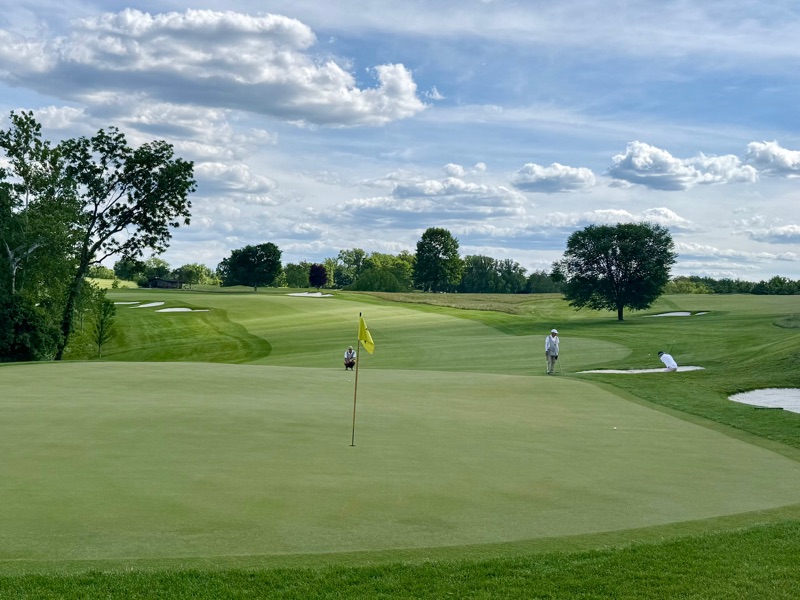
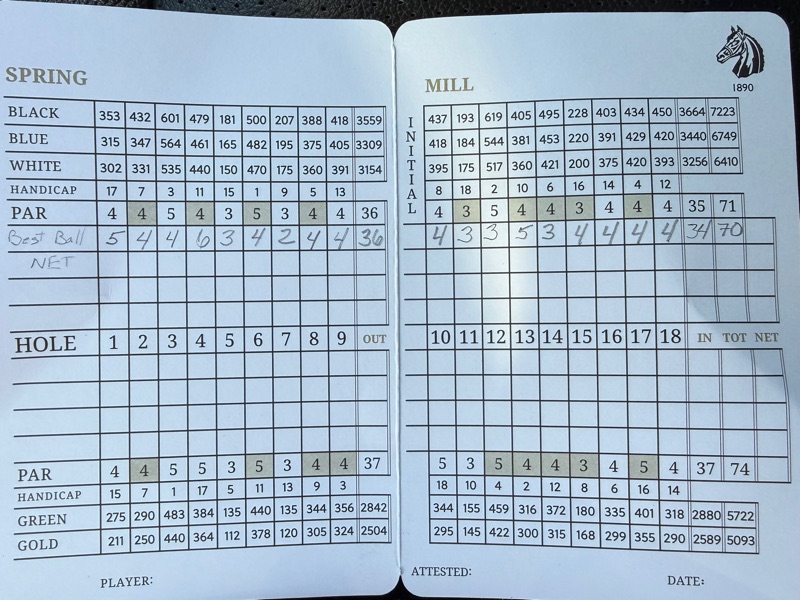
When I wrote about Little Mountain twelve years ago, it had just co-hosted the Ohio Open and was considered by many to be one of the best public courses in the state. Since that time, it has settled in as a solid option and is best known for being the home of Jimmy Hamlin, a golf personality who visits premier destinations with LPGA pro Natalie Gulbis.
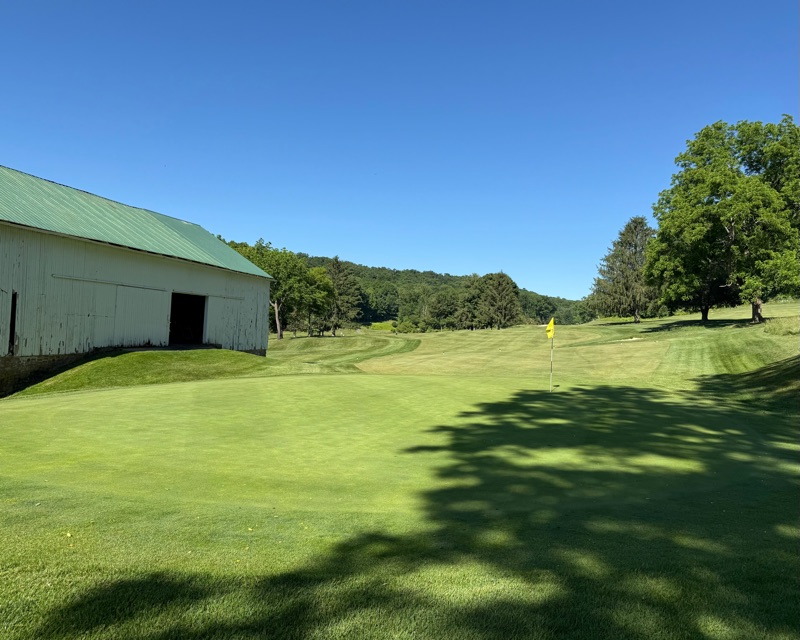
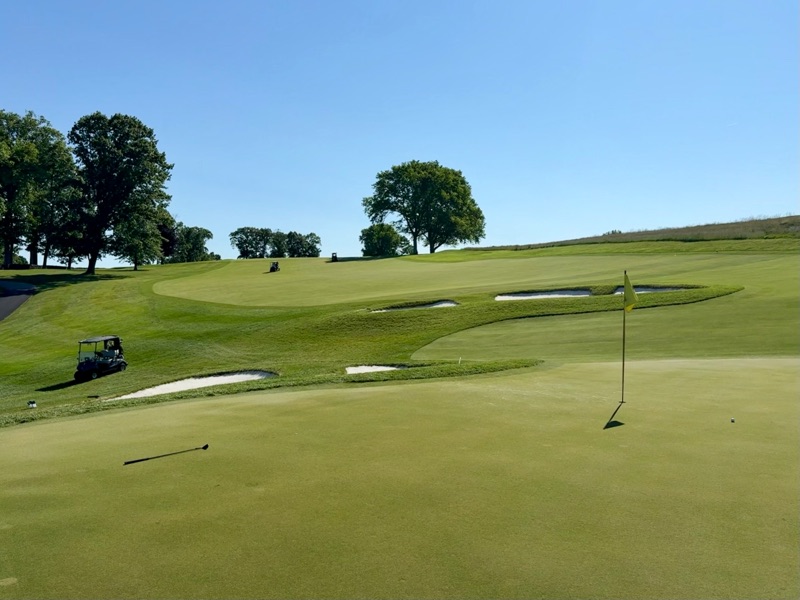
Michael Hurzdan and Dana Fry designed Little Mountain in 2000. It features the “Hurzdan Hump” prominently to the point of redundancy. There’s at least eight greens where a ridge shows a pitched space towards the golfer with the rest of the putting surface sloping away to the rear. This rise can be in the beginning of the green, in the first third, or in the middle. It’s a maddening characteristic and you’ll see more balls skip off the back here than anywhere else.
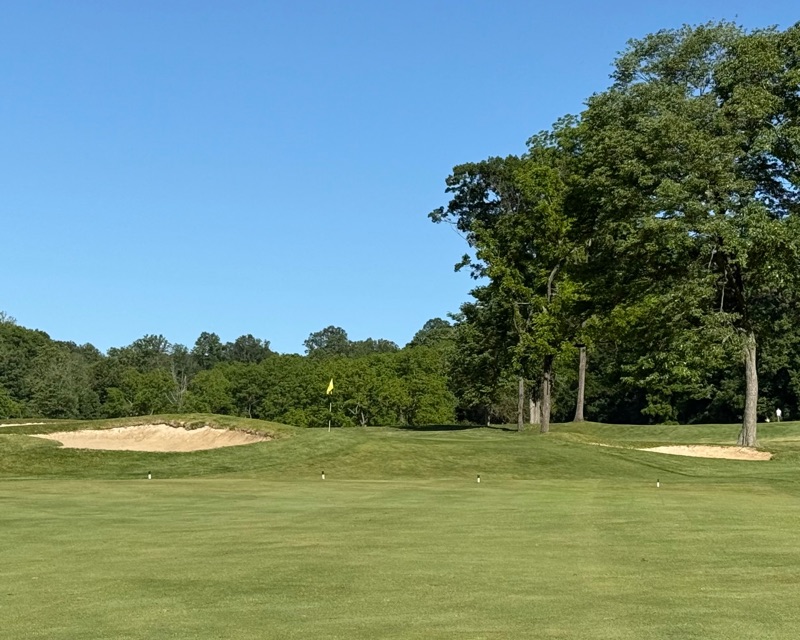
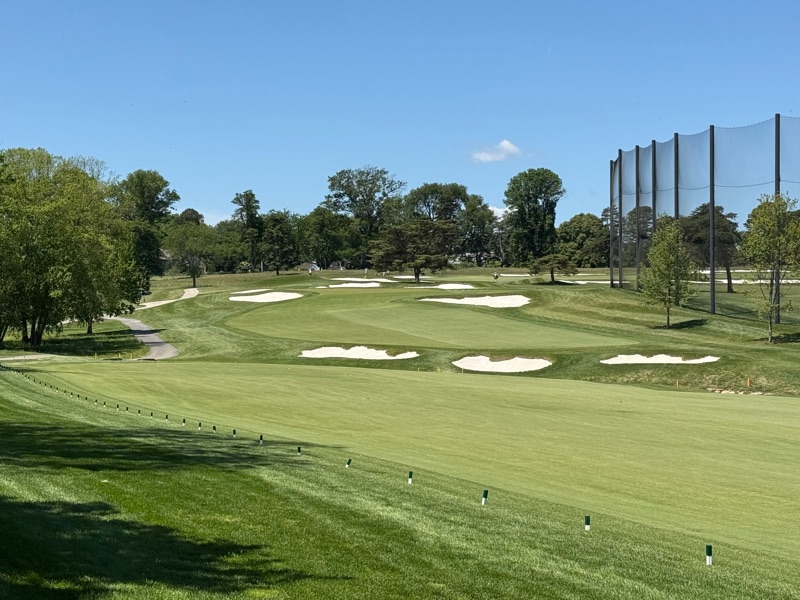
(The 582/519 yard par five opening hole has plenty of width to advance the golfer in quick fashion but the green with its false front and runoffs will make par a good score.)
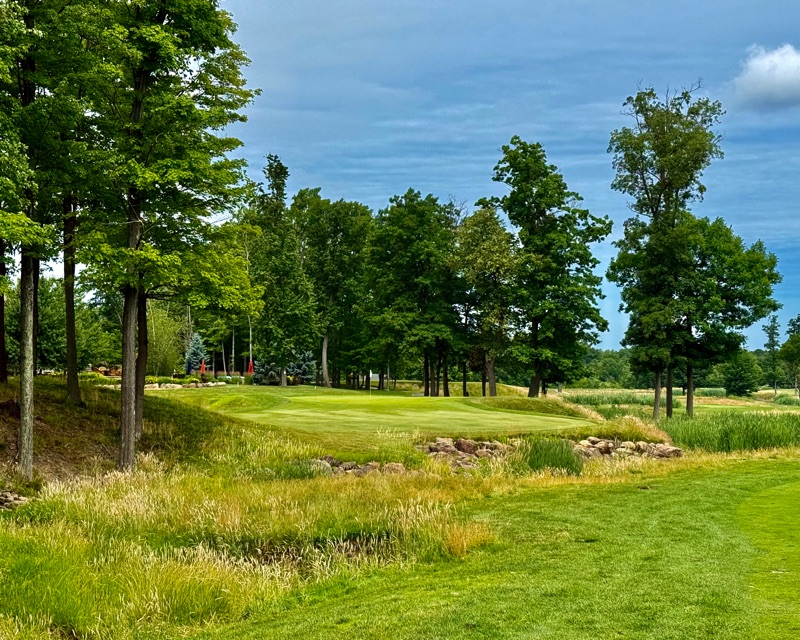
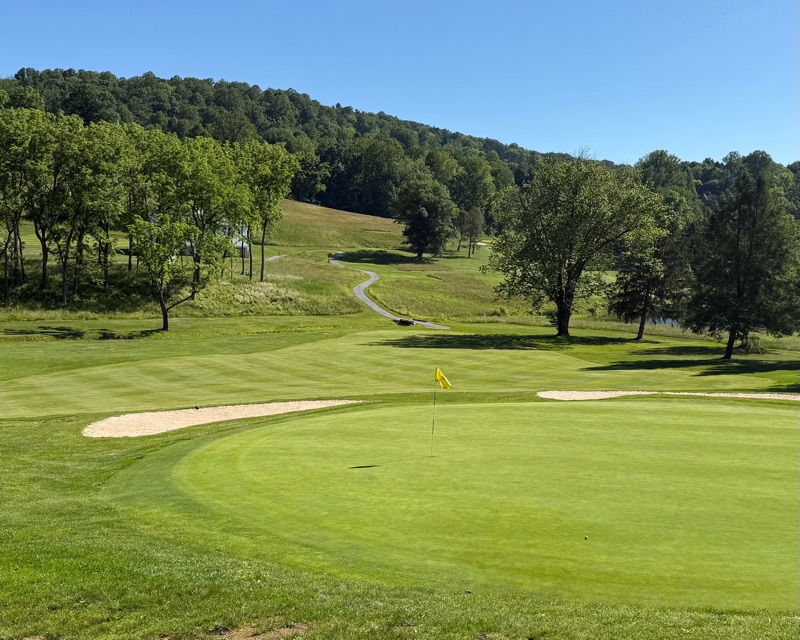
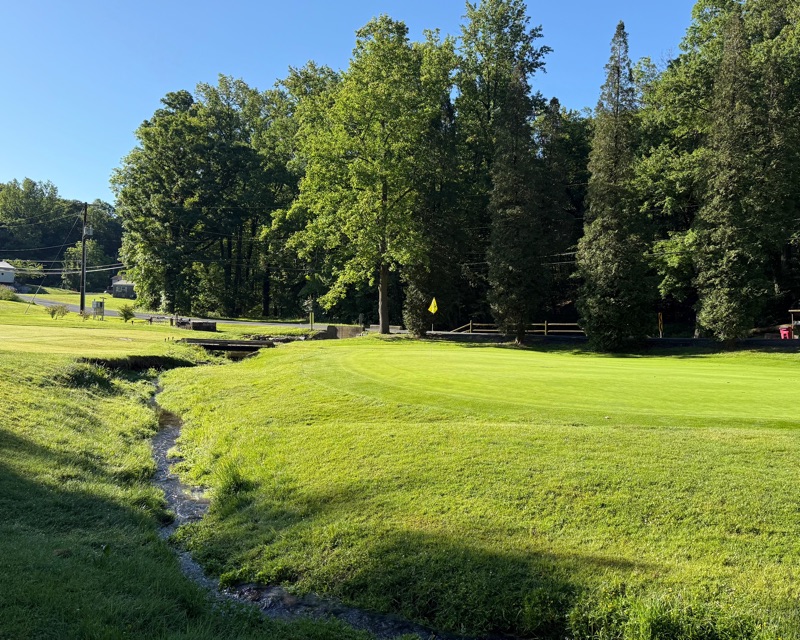
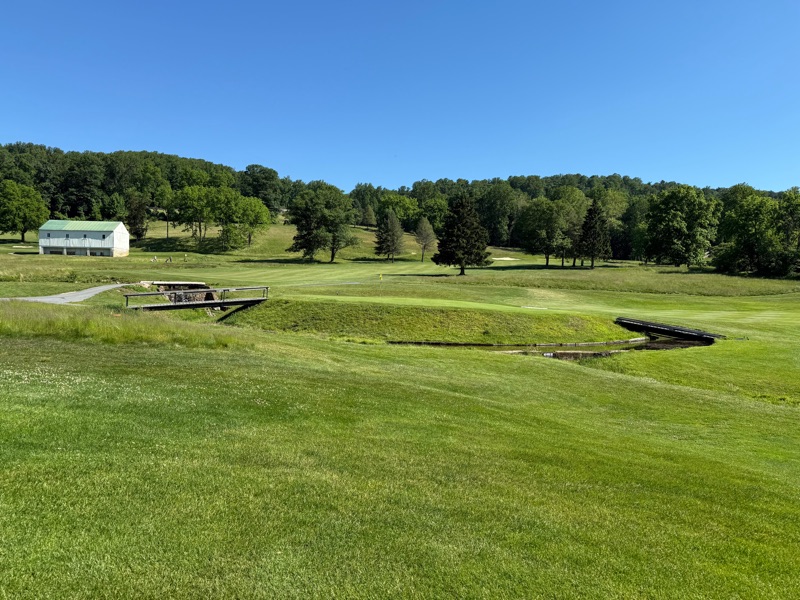
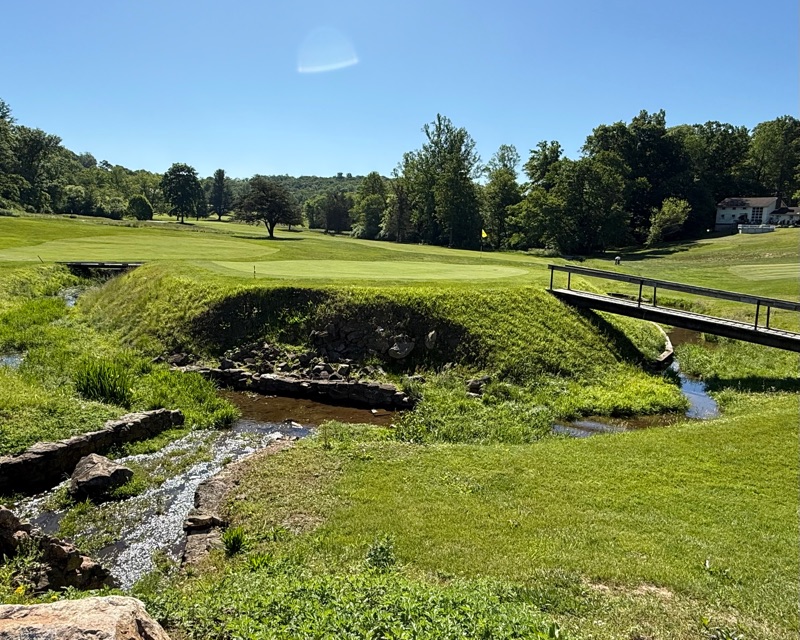
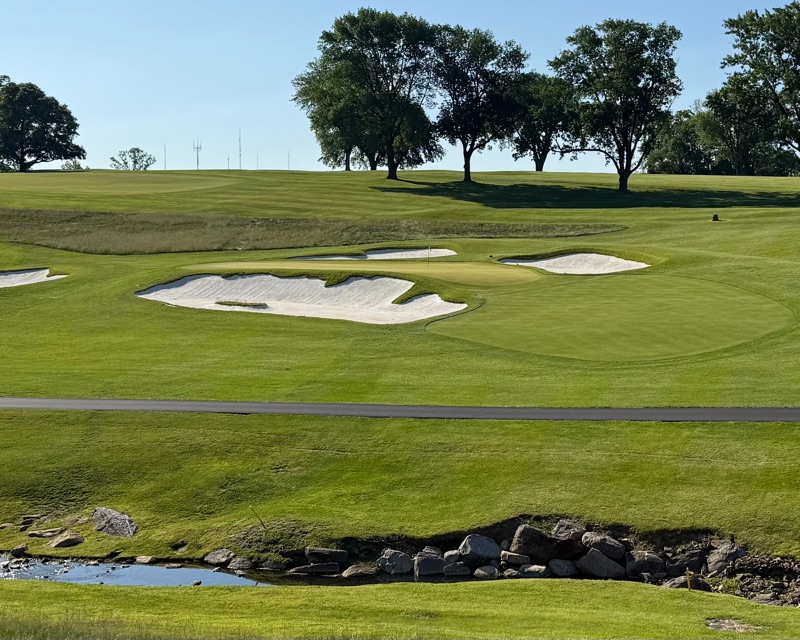
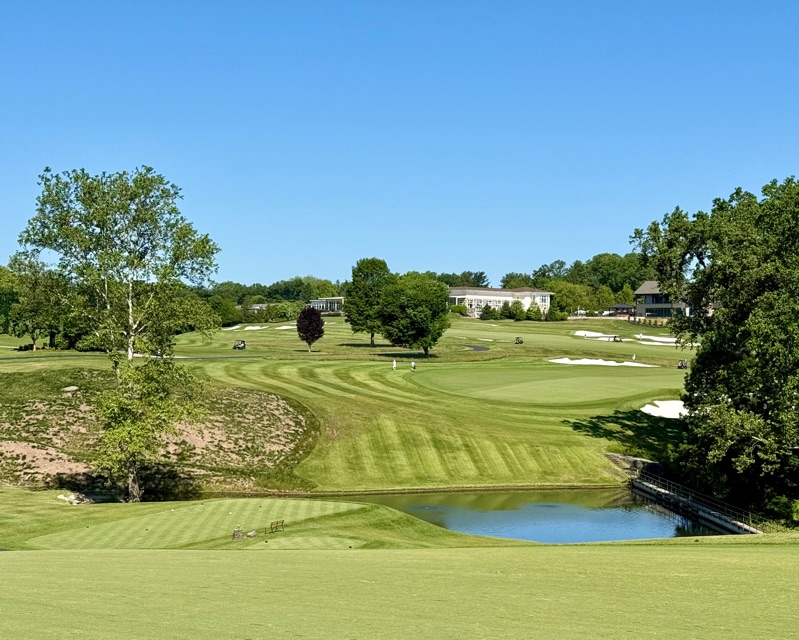
(The 366/327 yard par four third is fraught with trouble all around the green. The creek is the most feared hazard but the mounded front with the putting surface pitching away hides the real challenge. Only a well strucked iron shot will hold. A four is a good score.)
Little Mountain has gone through a few tweaks since 2014 starting with multiple bunkers being grassed over. It was a good choice from both a playability and a maintenance standpoint. Also, long grass is growing around the creek, giving it a rich texture, and slowing the water as it passes. The course looks and feels more natural than it previously did.
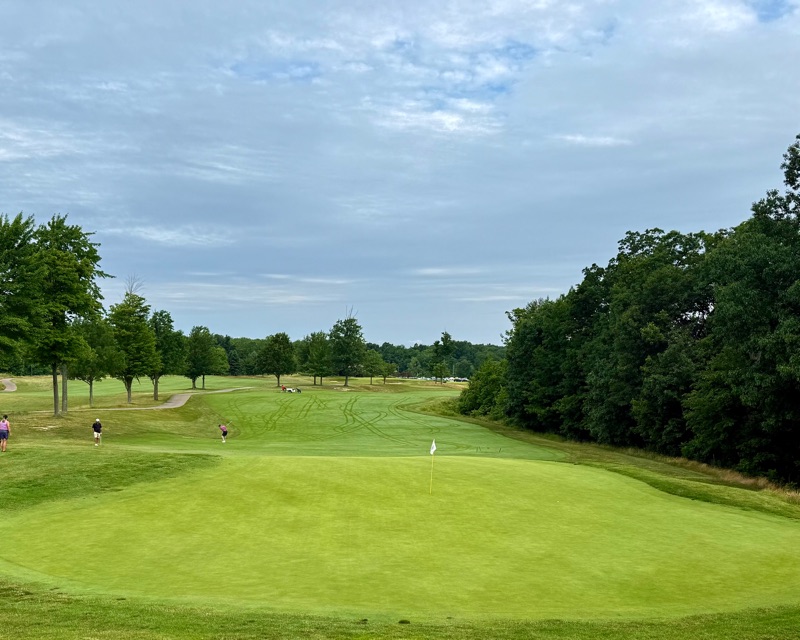
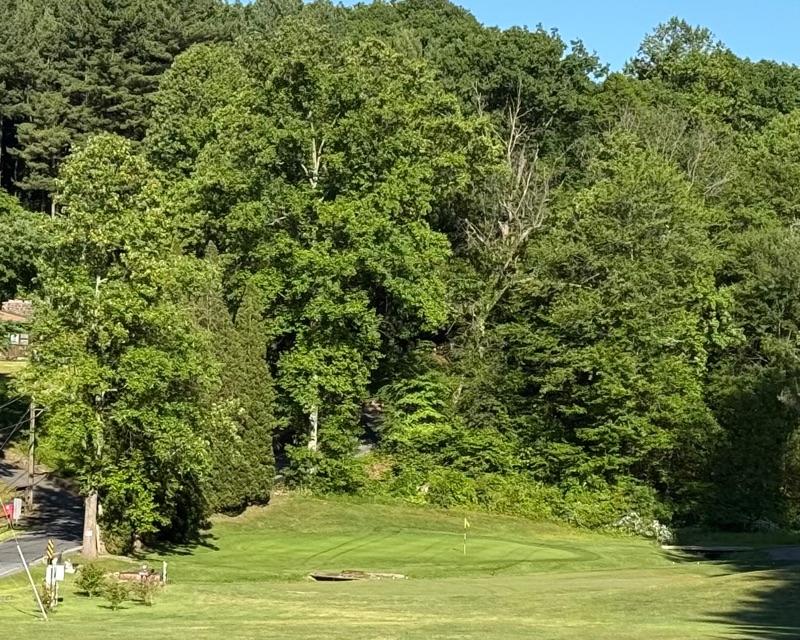
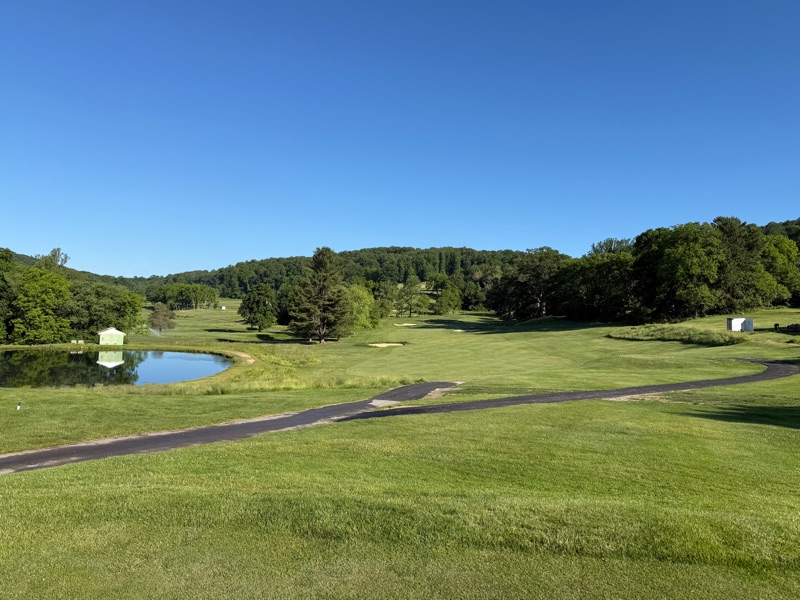
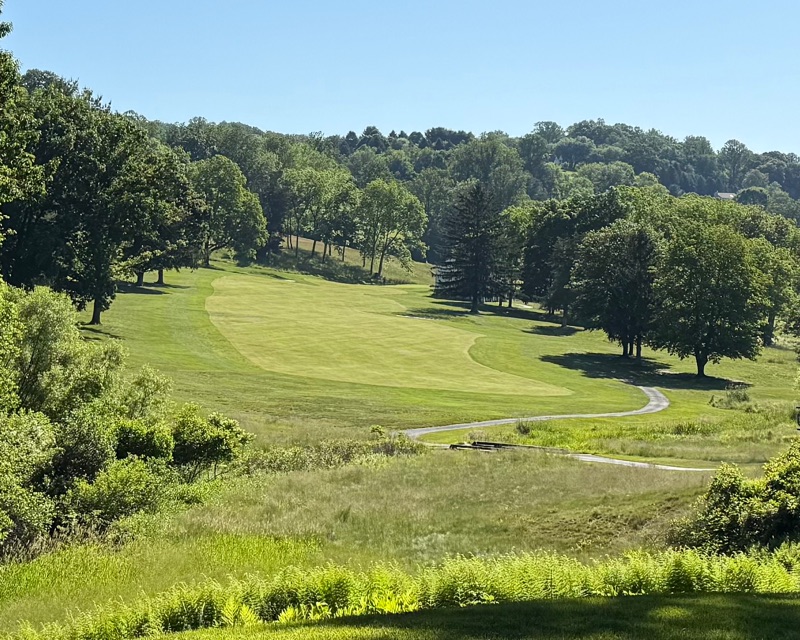
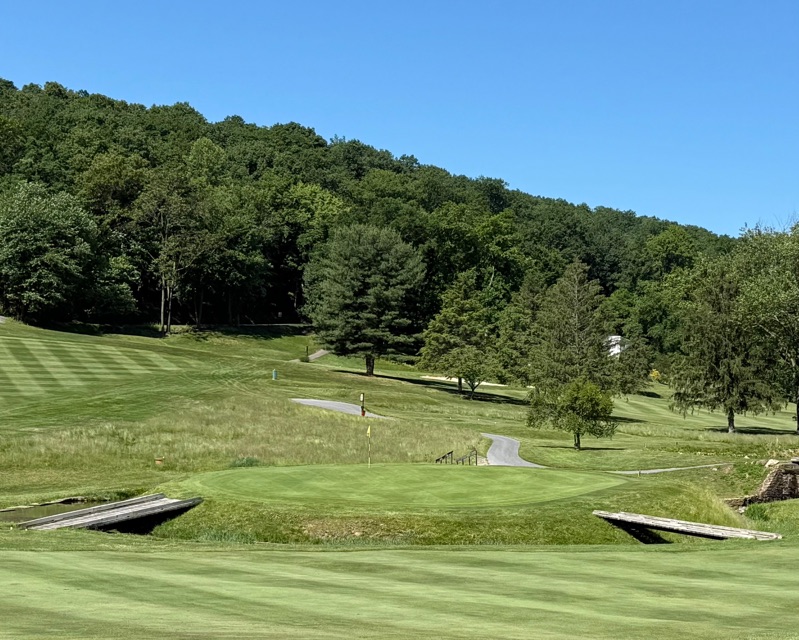
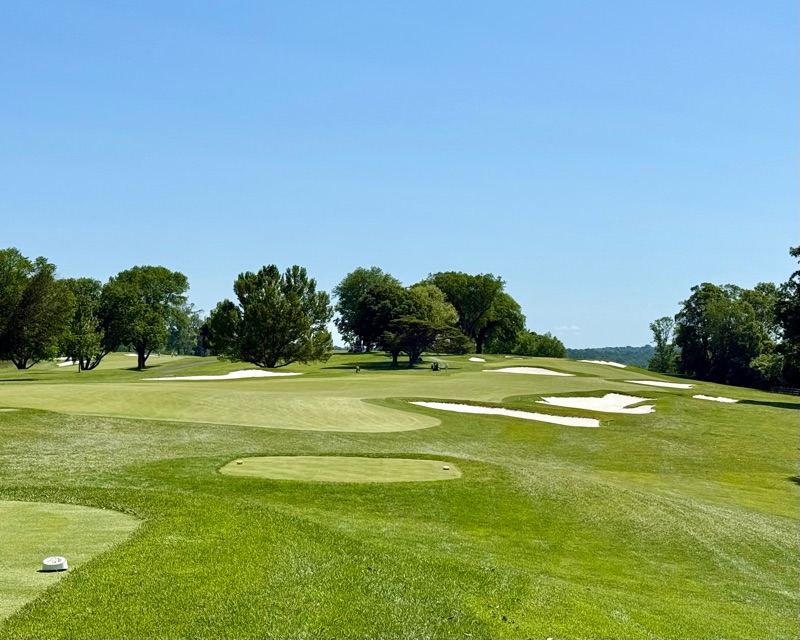
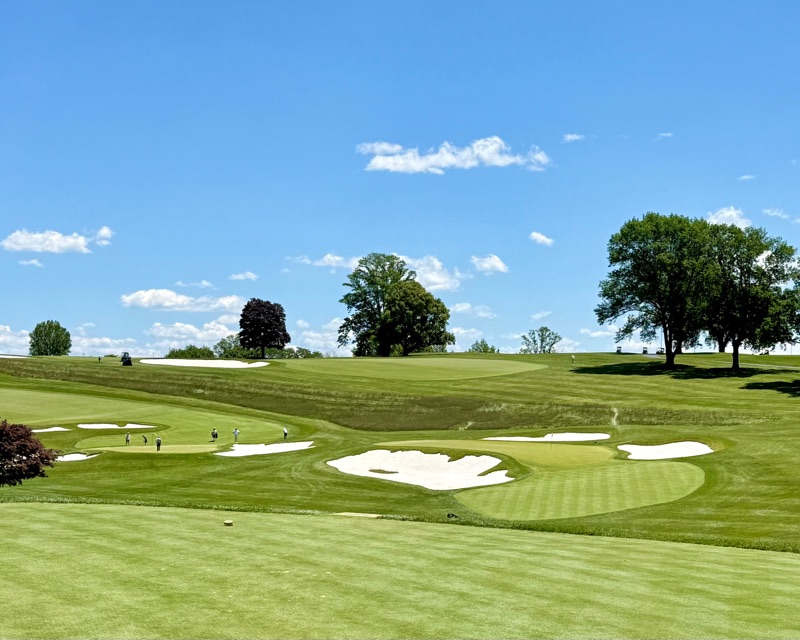
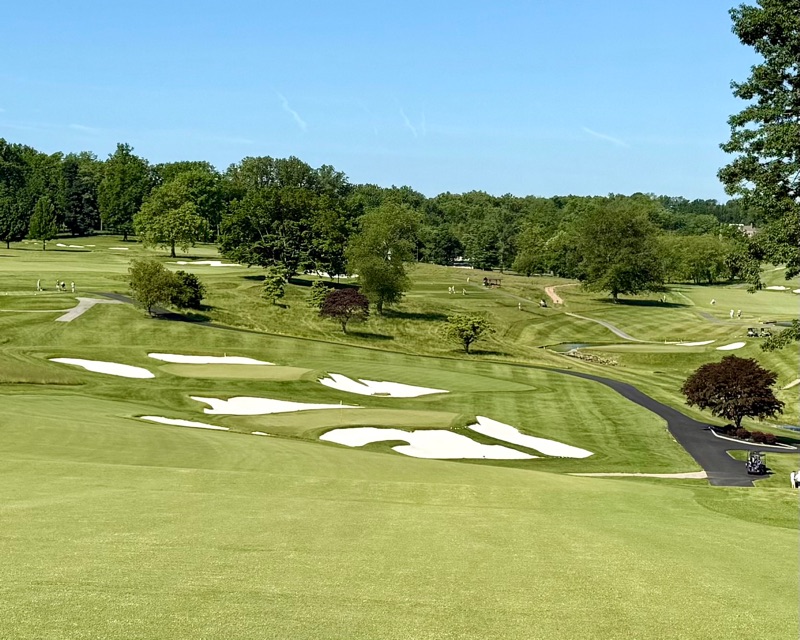
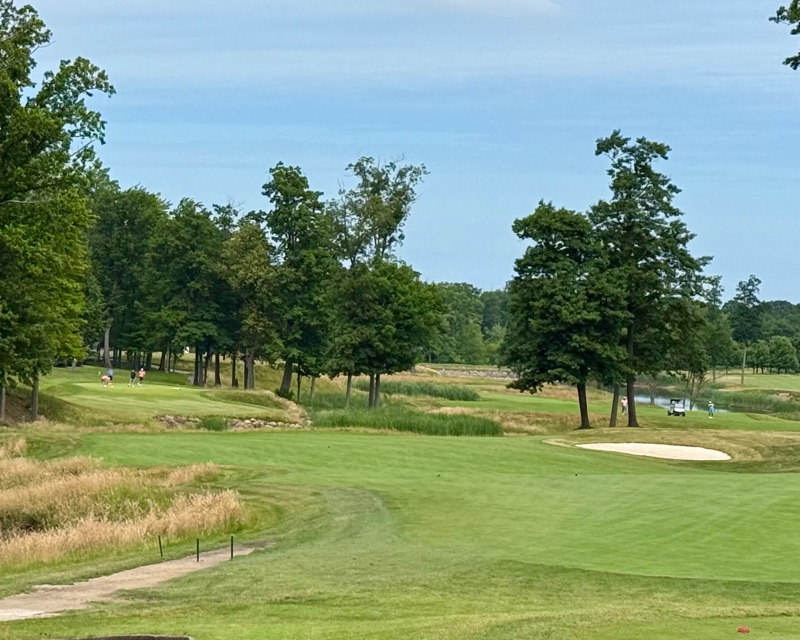
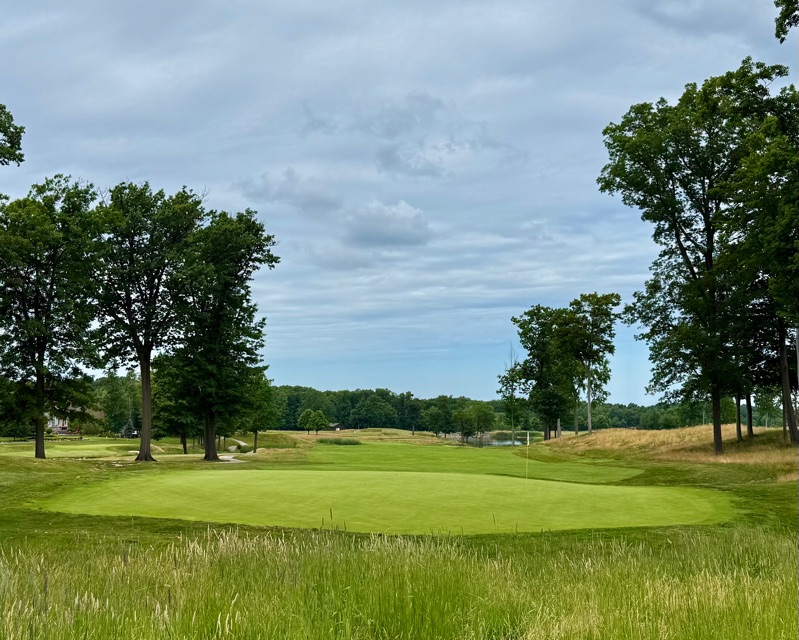
(The 471/447 yard par four tenth doglegs left around a deep ravine. Locals view it as a par five and play it down the right to avoid penalty strokes…
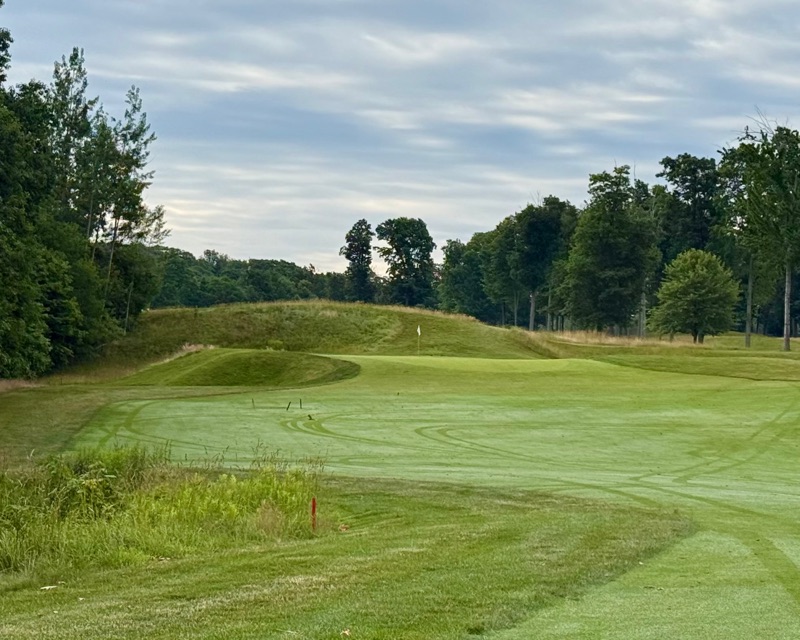
…this view shows how perched the green is, and if you compare it to the previous photo, the hump becomes apparent which can send your ball off the putting surface. For a long par four, it’s a devious green complex.)
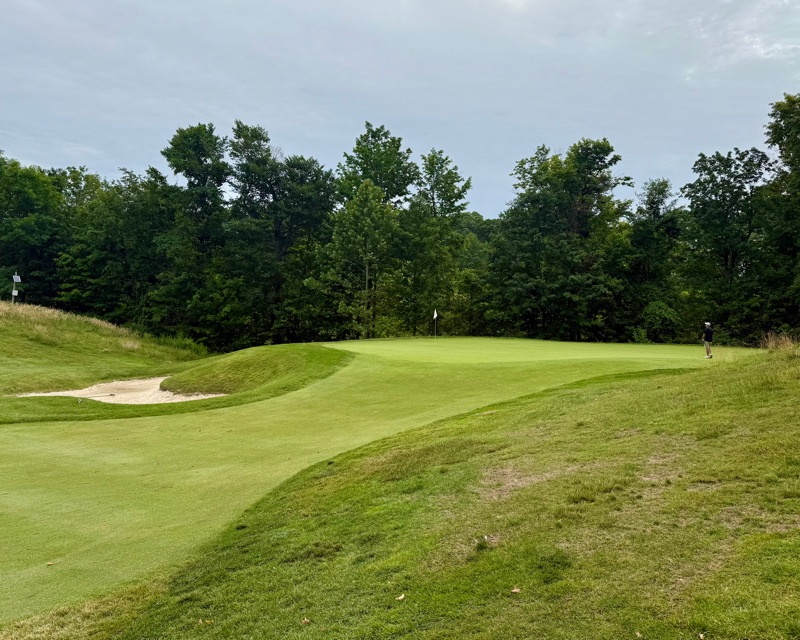
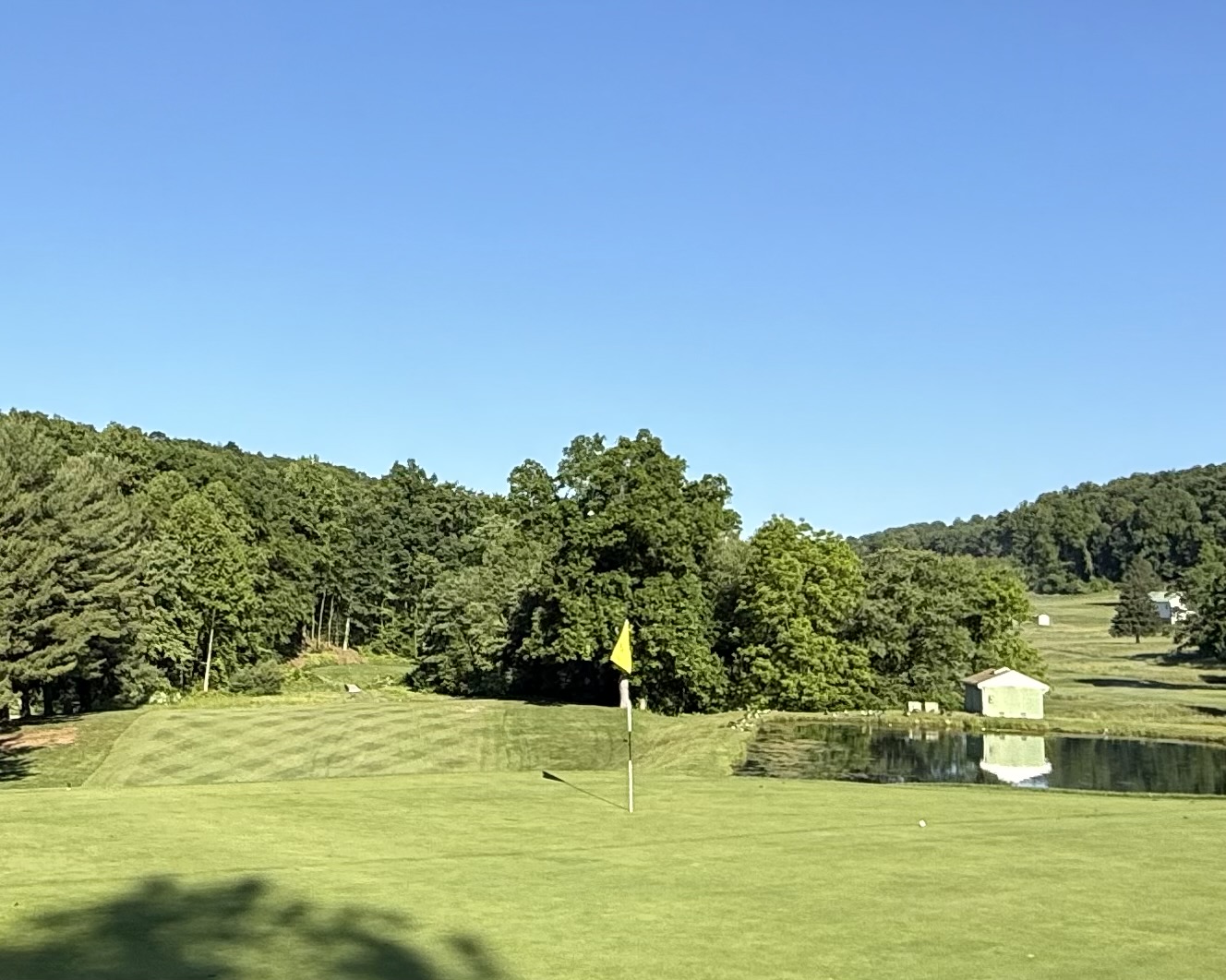
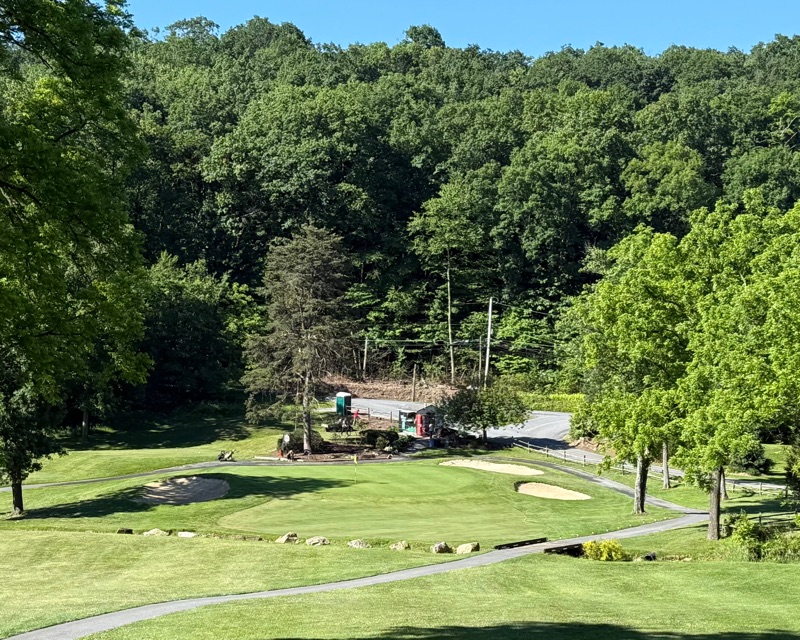
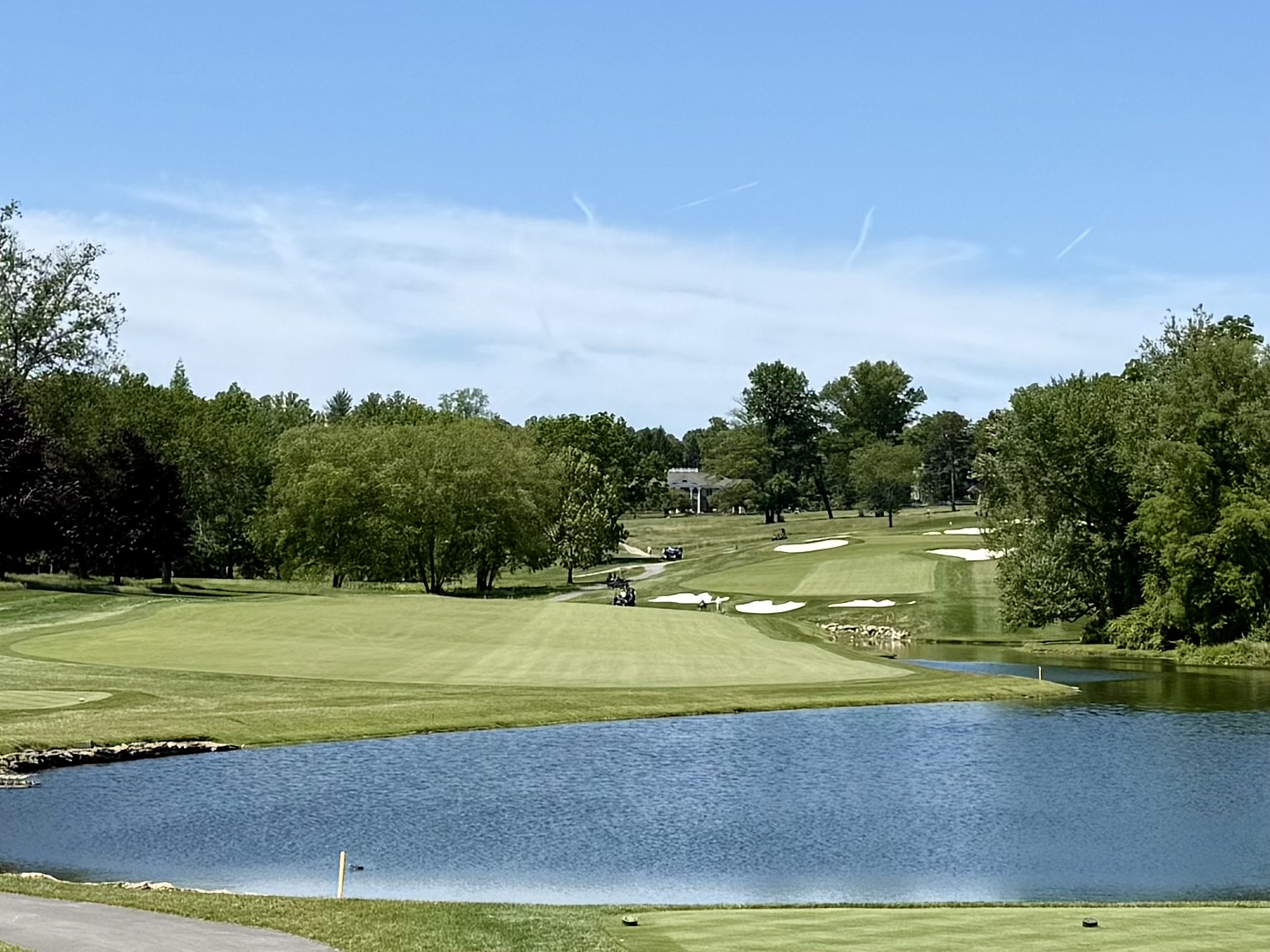
(The 135/123 yard par three twelth is basically a short pitch shot, yet the back of the green which abuts the ravine terrifies players into making a sloppy pass. I love little par threes like this that require precision and confidence.)
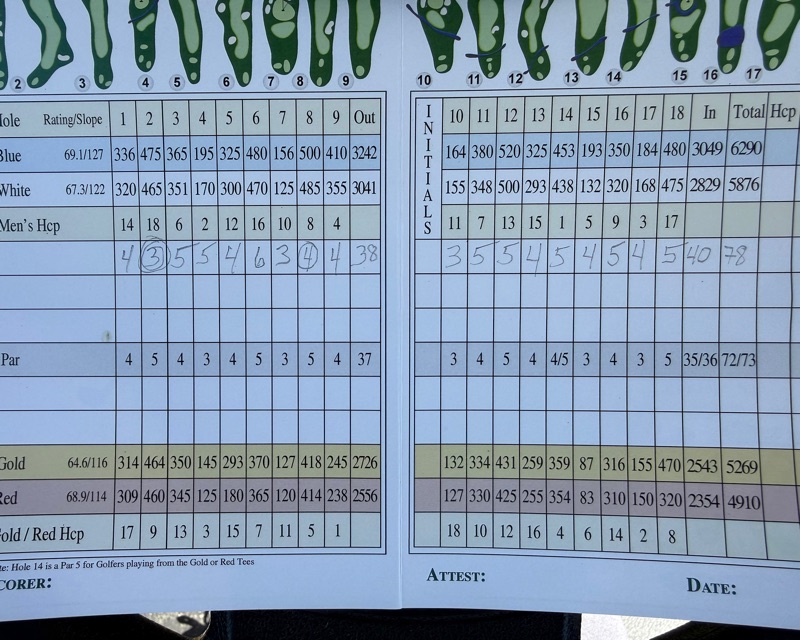
Little Mountain’s reputation hinges primarily on three half par holes (10,13,18) that would be short par fives at most public courses. Each one hugs a steep ravine on the left and demands the player challenge the hazard to secure an easy par. (Regulars are happy to write 5 three times on these holes) The par threes are on the forgiving side, spare the long sixth, and the three par fives are each birdie opportunities. I still see it mentioned as a top 10 public Ohio course, but I feel it’s happy just pulling players between Cleveland and Erie. I give it a 5 (good)(worth driving an hour to play).
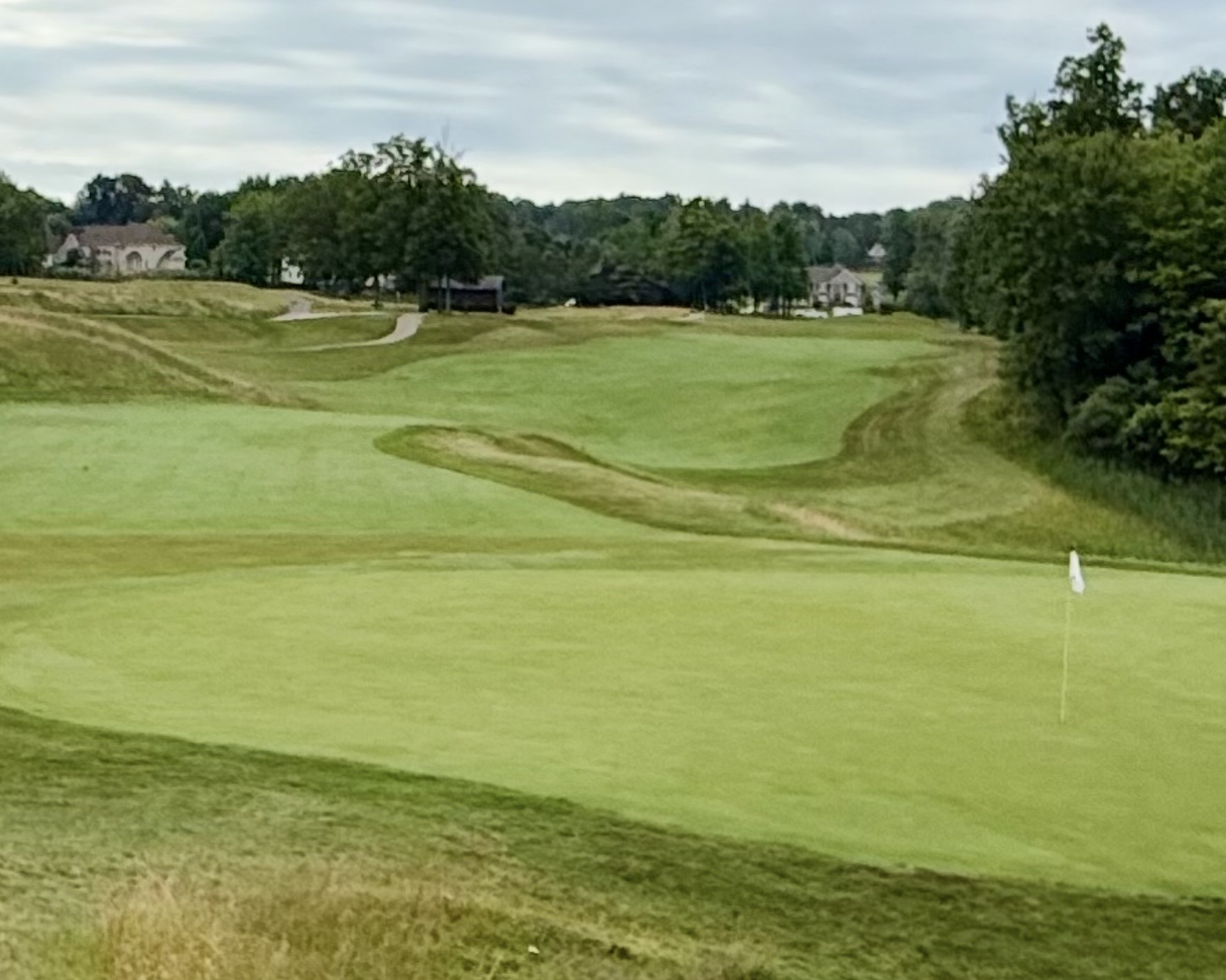
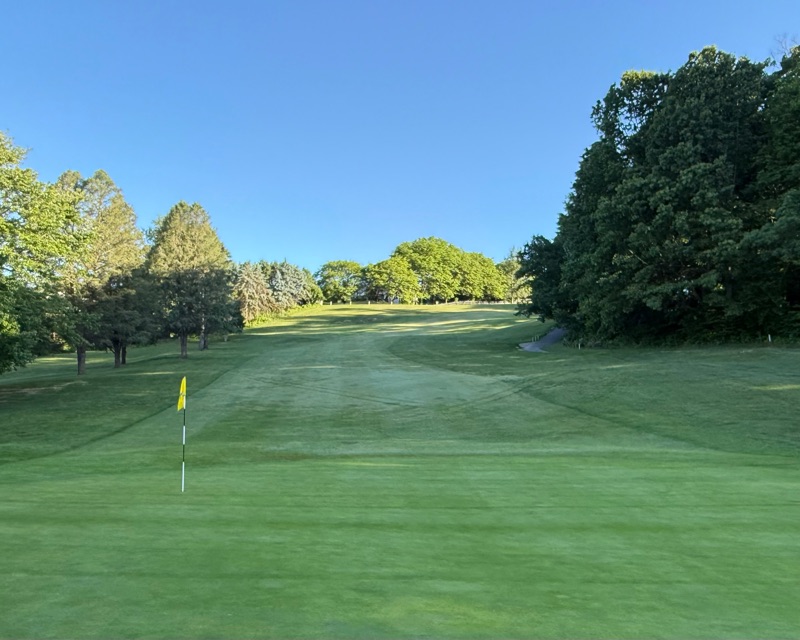
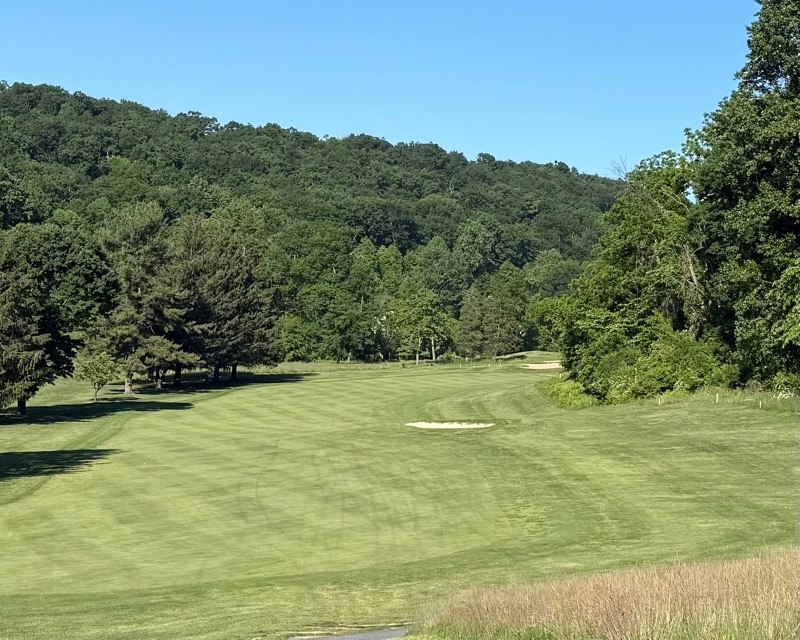
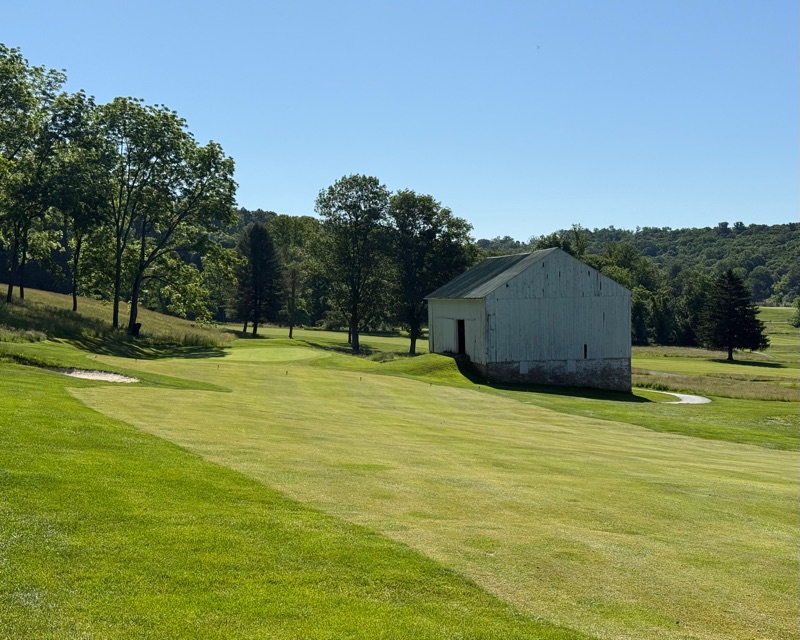
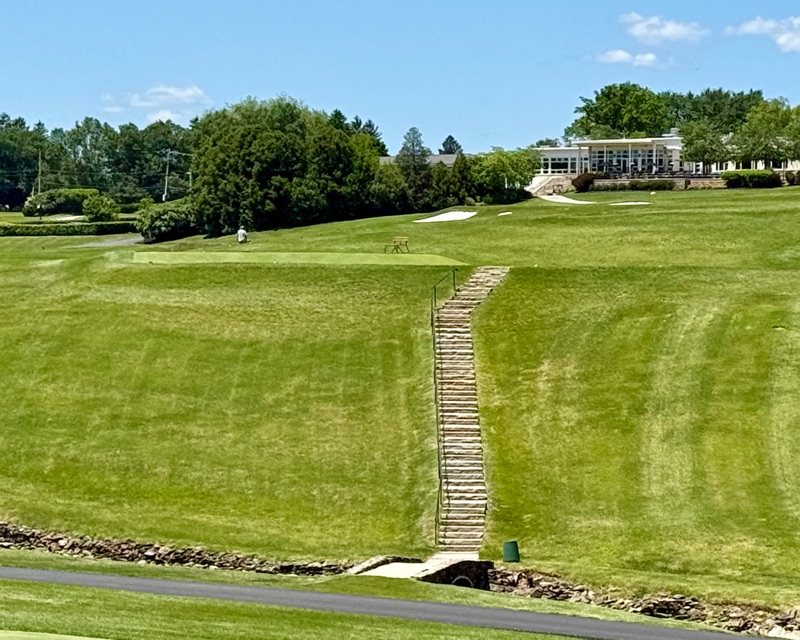
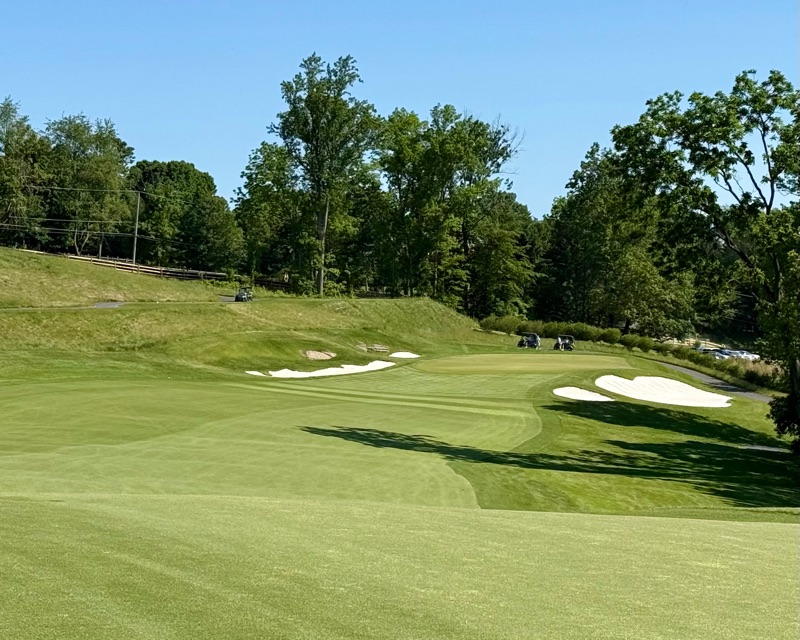
(The 471/452 yard par four eighteenth is one of the better finishing holes in northeast Ohio. Long hitters have the advantage of finding the speed slot and reaching the bottom of the hill…
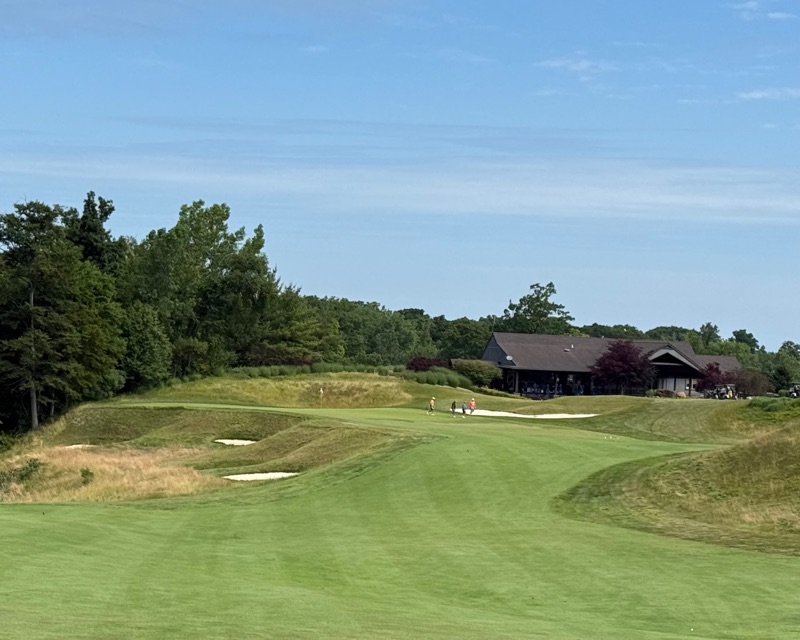
…most players will be looking to shoot it up short of the right bunker and take their chances with a pitch n putt par. Only the longest or best players will take it over the ravine. A four is an excellent score.)

(As much as I enjoy Little Mountain, it has taken the position that it’s the best course in the area and is leading the charge with the highest greens fee (at least on Saturday morning) in the area. Because it’s 30 miles outside the city on the east side, I feel it’s insulated from the glut of municipal courses that dot the southern suburbs.)
Blog 509