Saturday, July 25, 2026

Mayfair Country Club (Uniontown, OH)

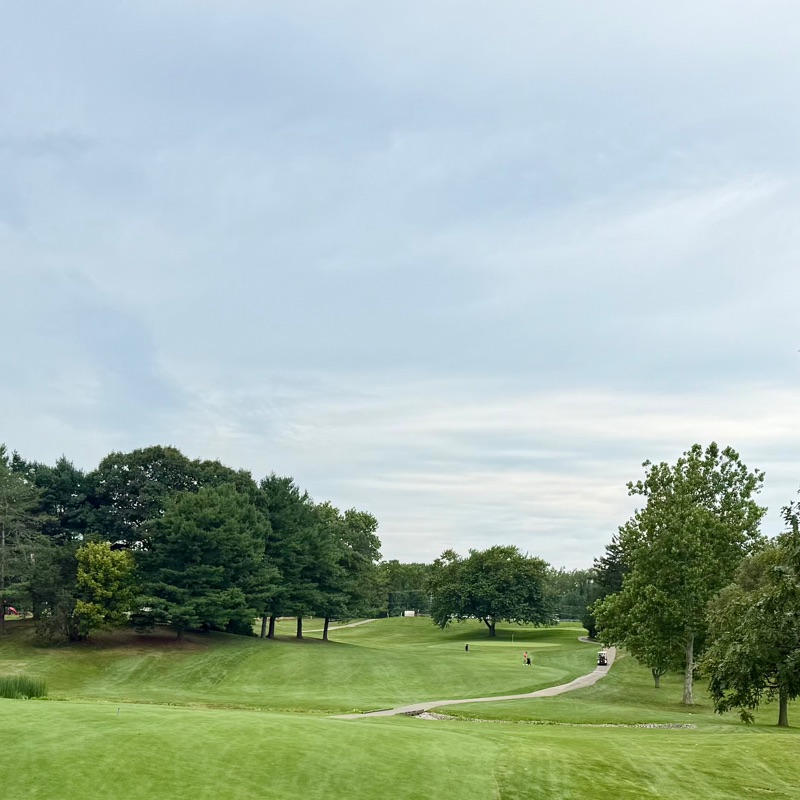
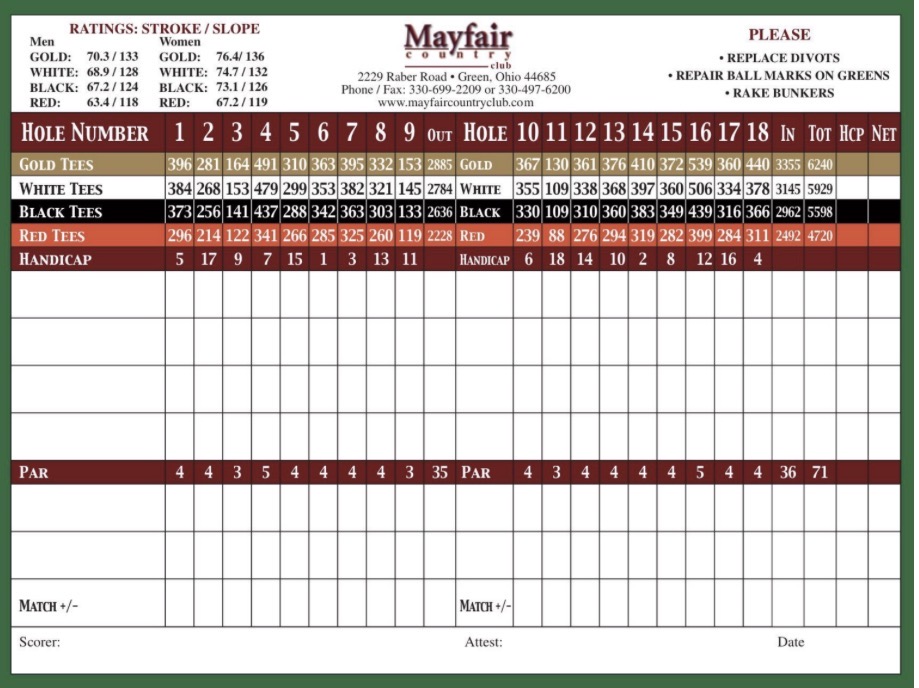
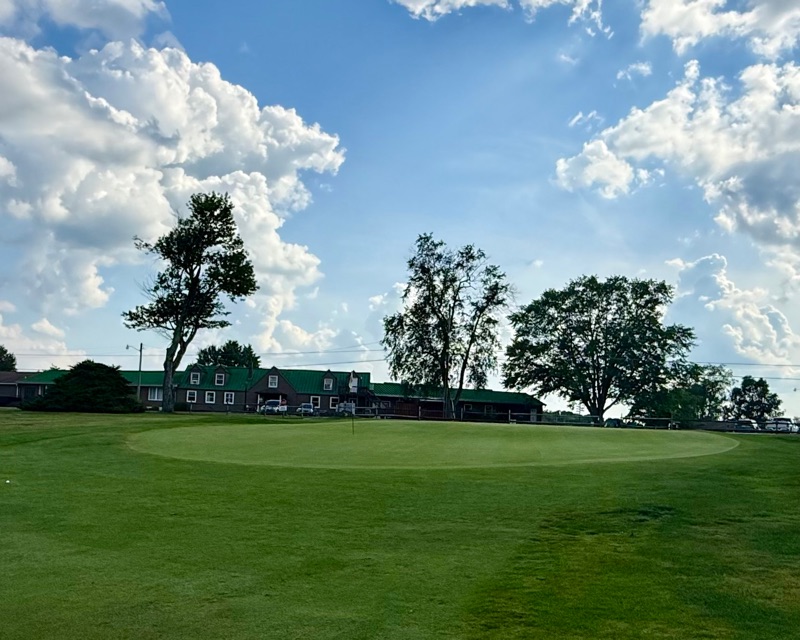
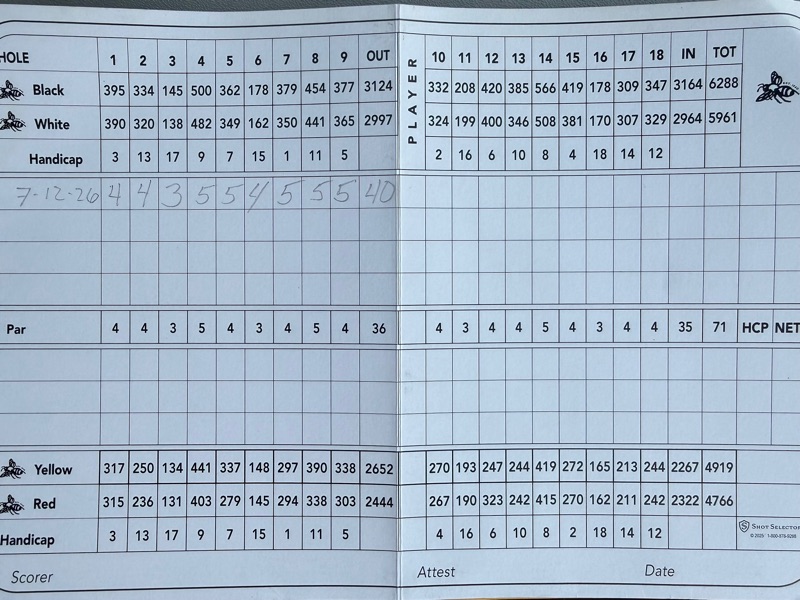
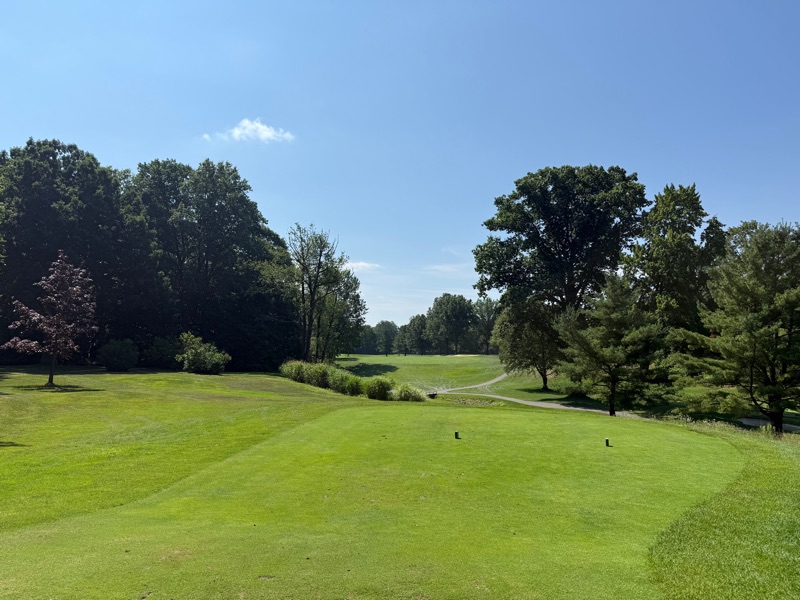
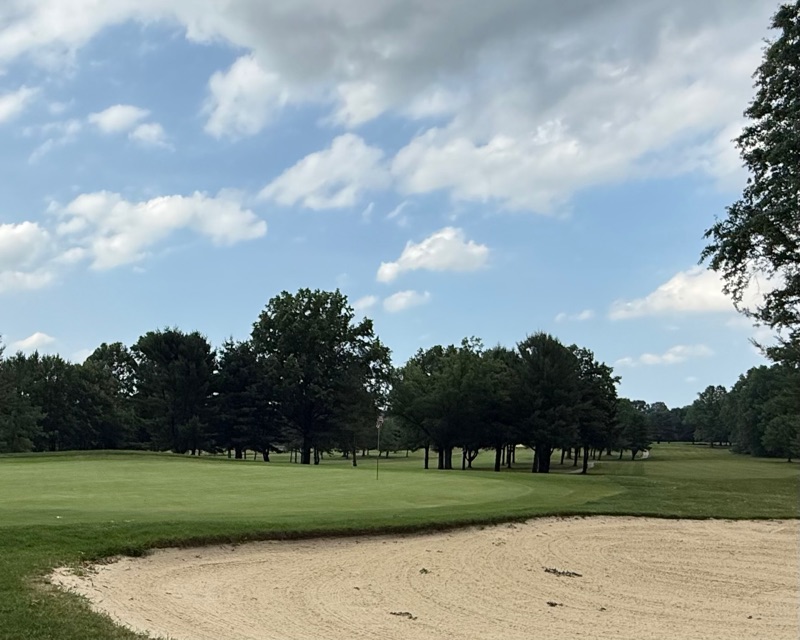
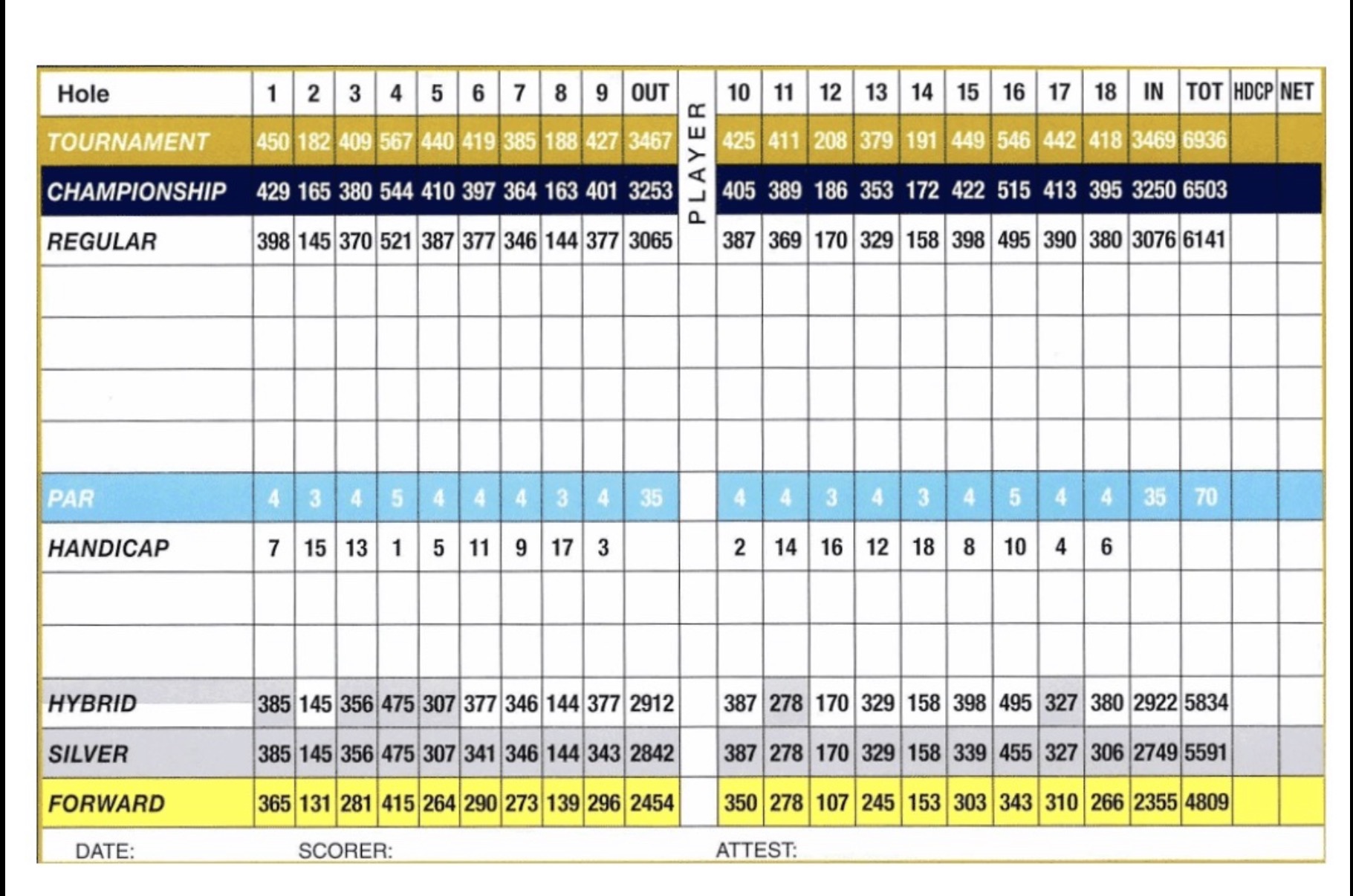
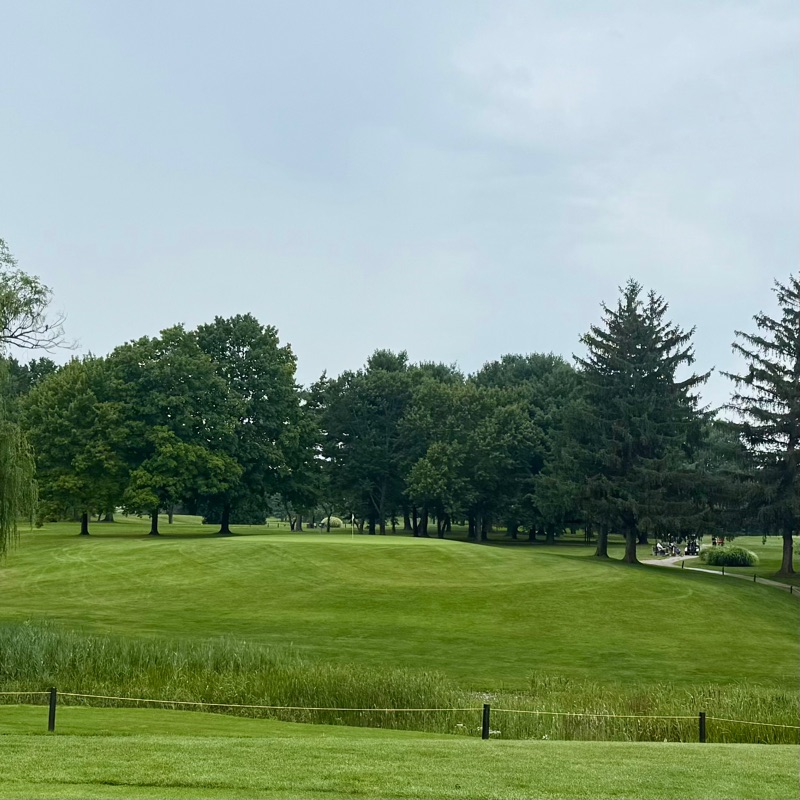
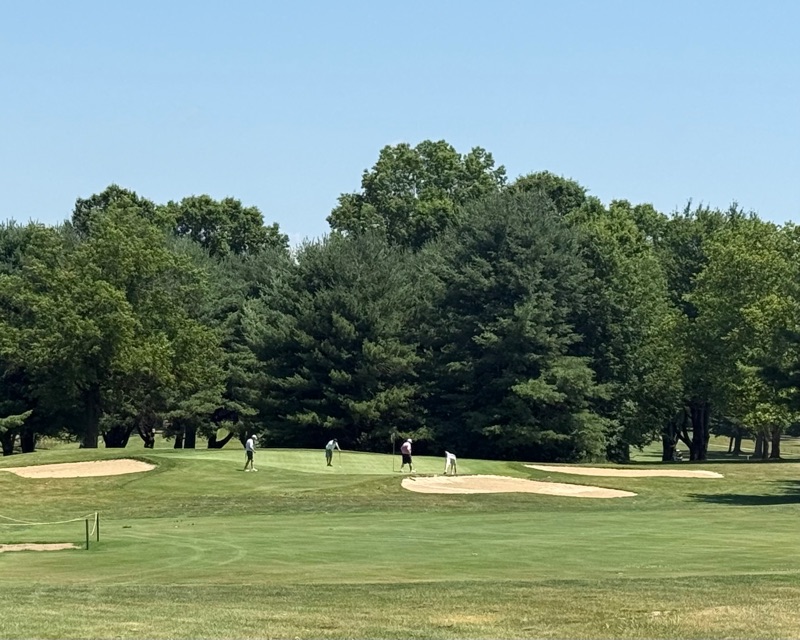
For over thirty years, the CNCGA has been traveling to Uniontown for Saturday golf, but for whatever reason, it was never to play Mayfair. On a whim, I stopped by as the sun was rising prior to our annual round, and found a course that I believe would be a welcomed addition to our schedule. Its 6,240 yards sets up very well for our membership with appropriate spacing for seniors and women. Couple this with an affordable price point and you have a good combination.

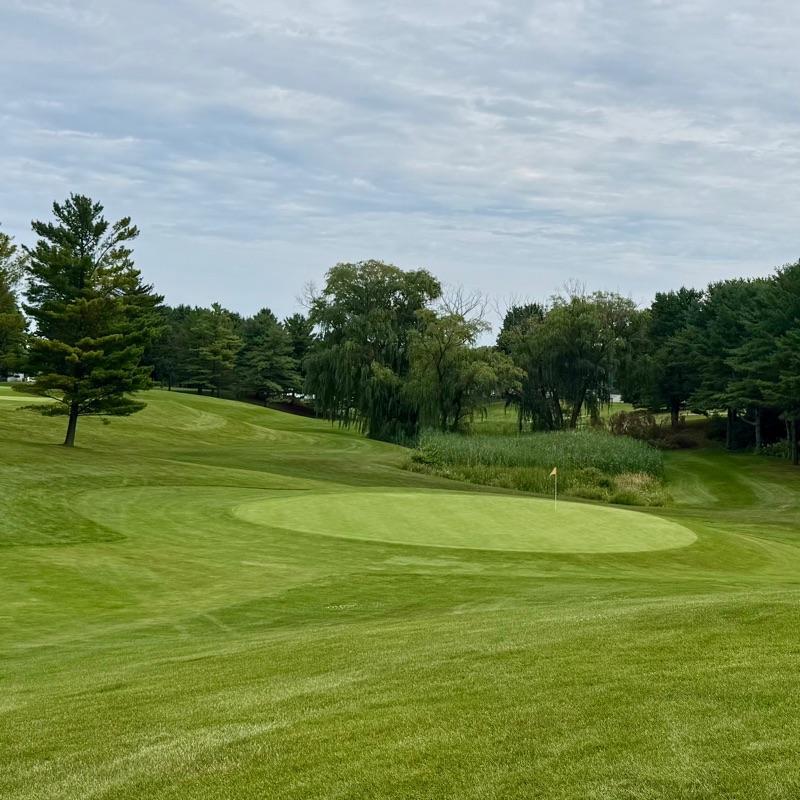
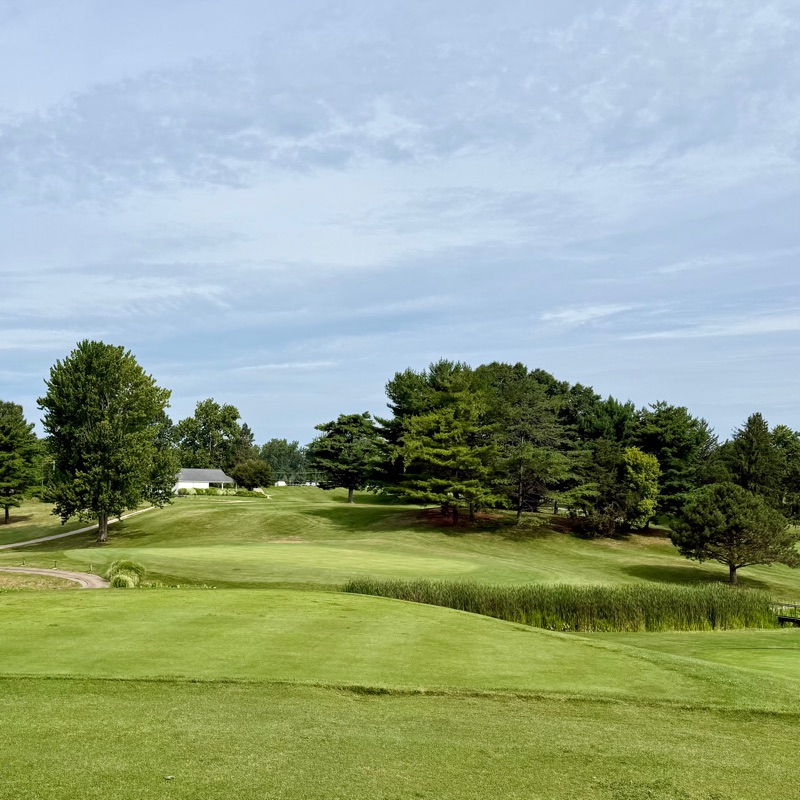
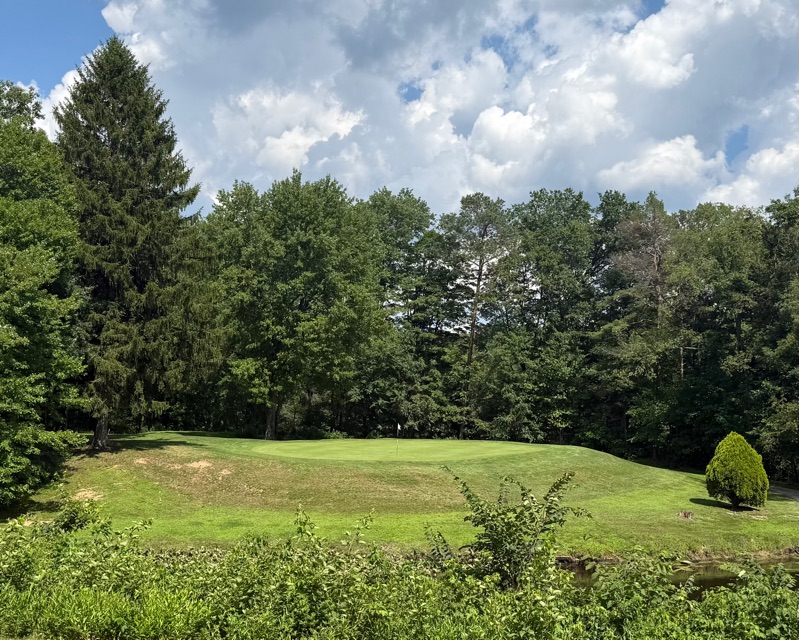
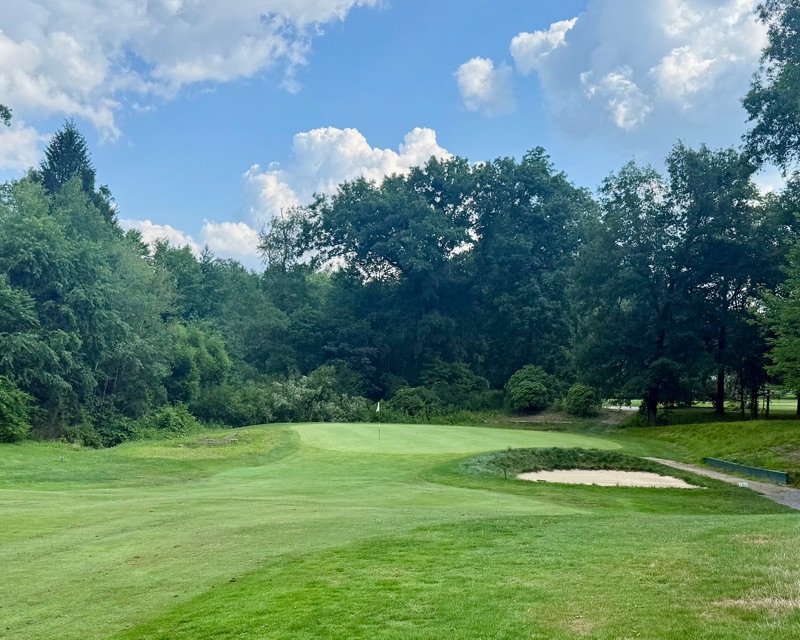
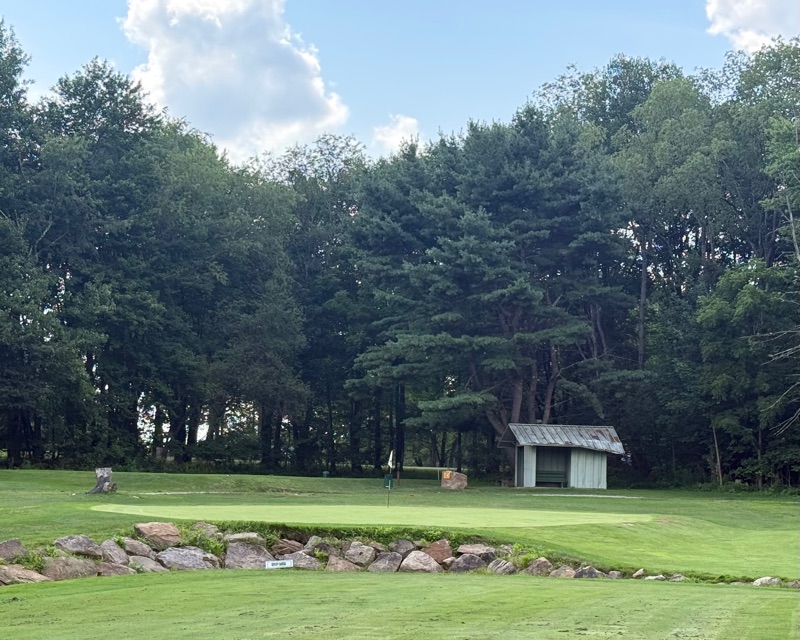
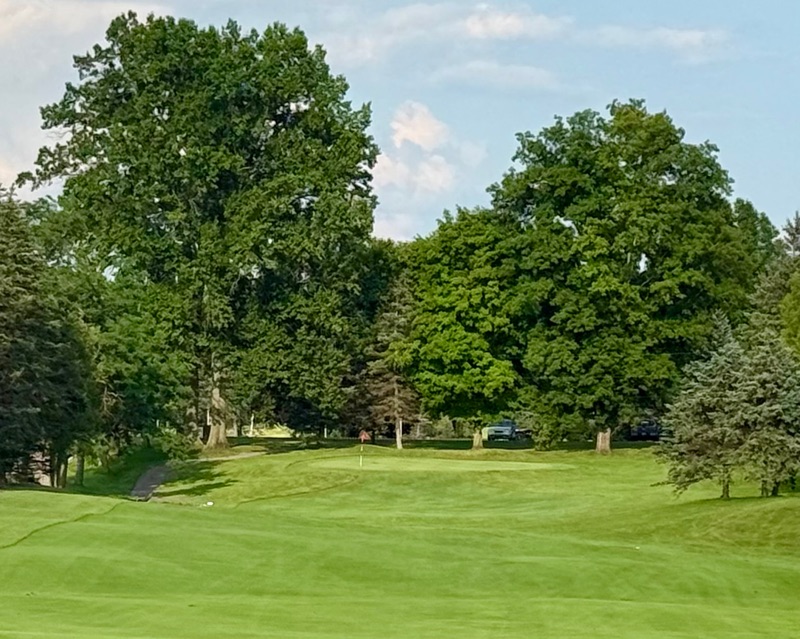
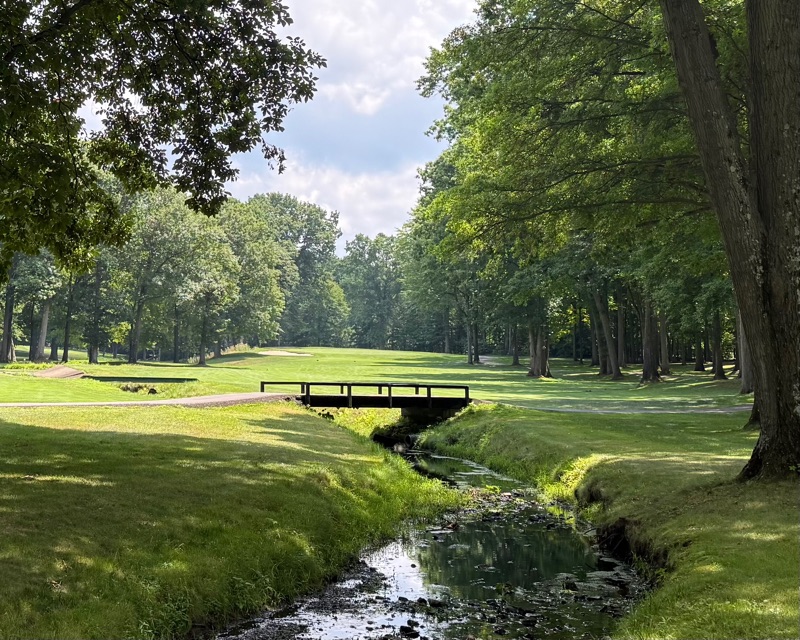
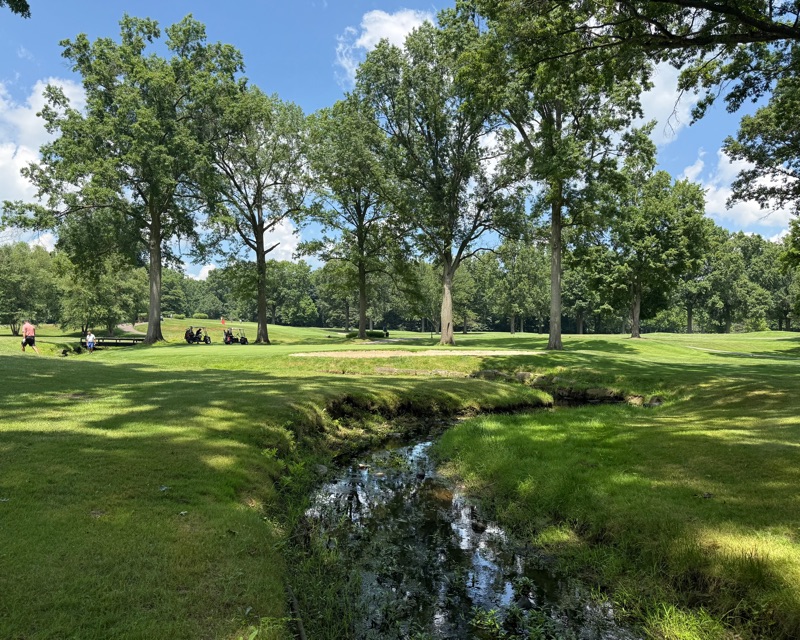
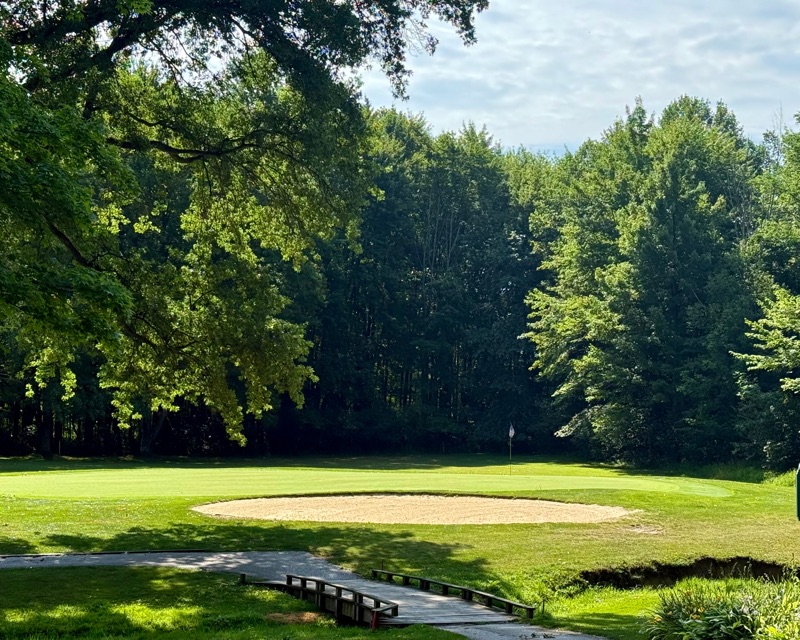
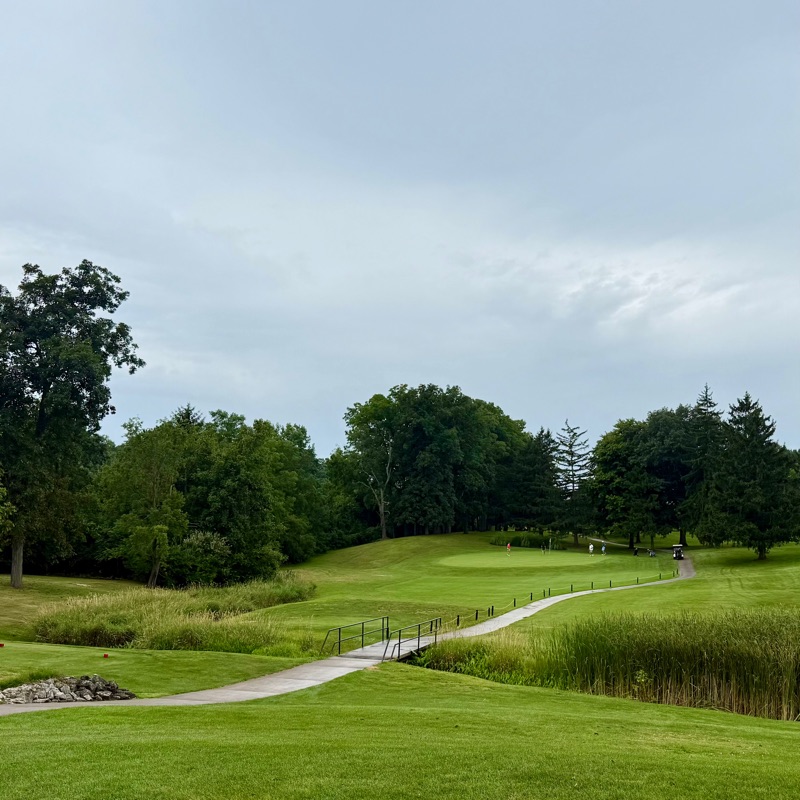
(The 164/153 yard par three third has a central bunker guarding the front. A ridge in the middle makes the left to right sloping green a tough shot to get close. Wetlands left and right frame the hole in beautiful fashion.)

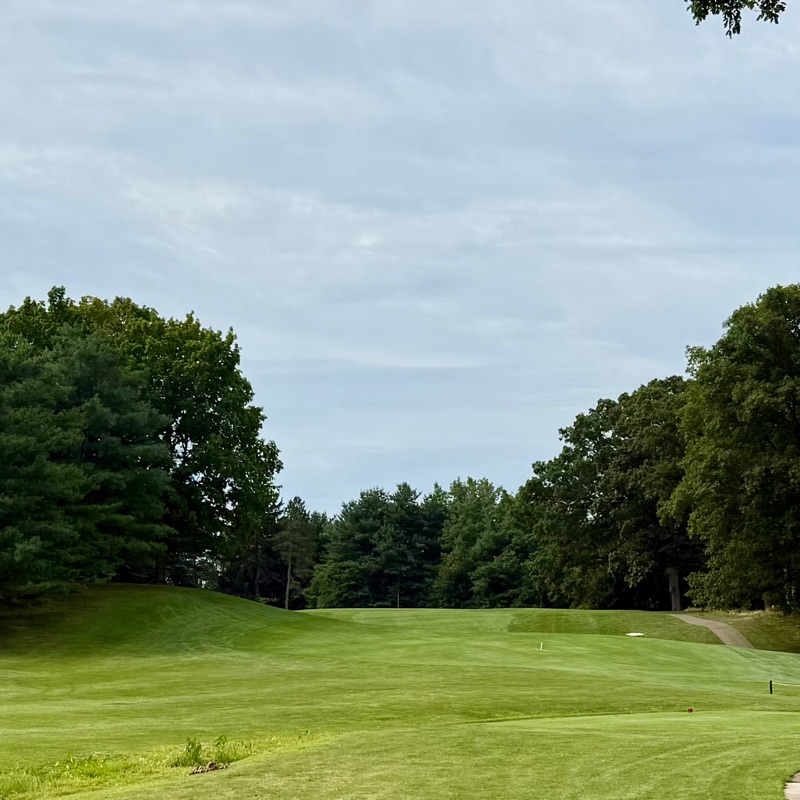
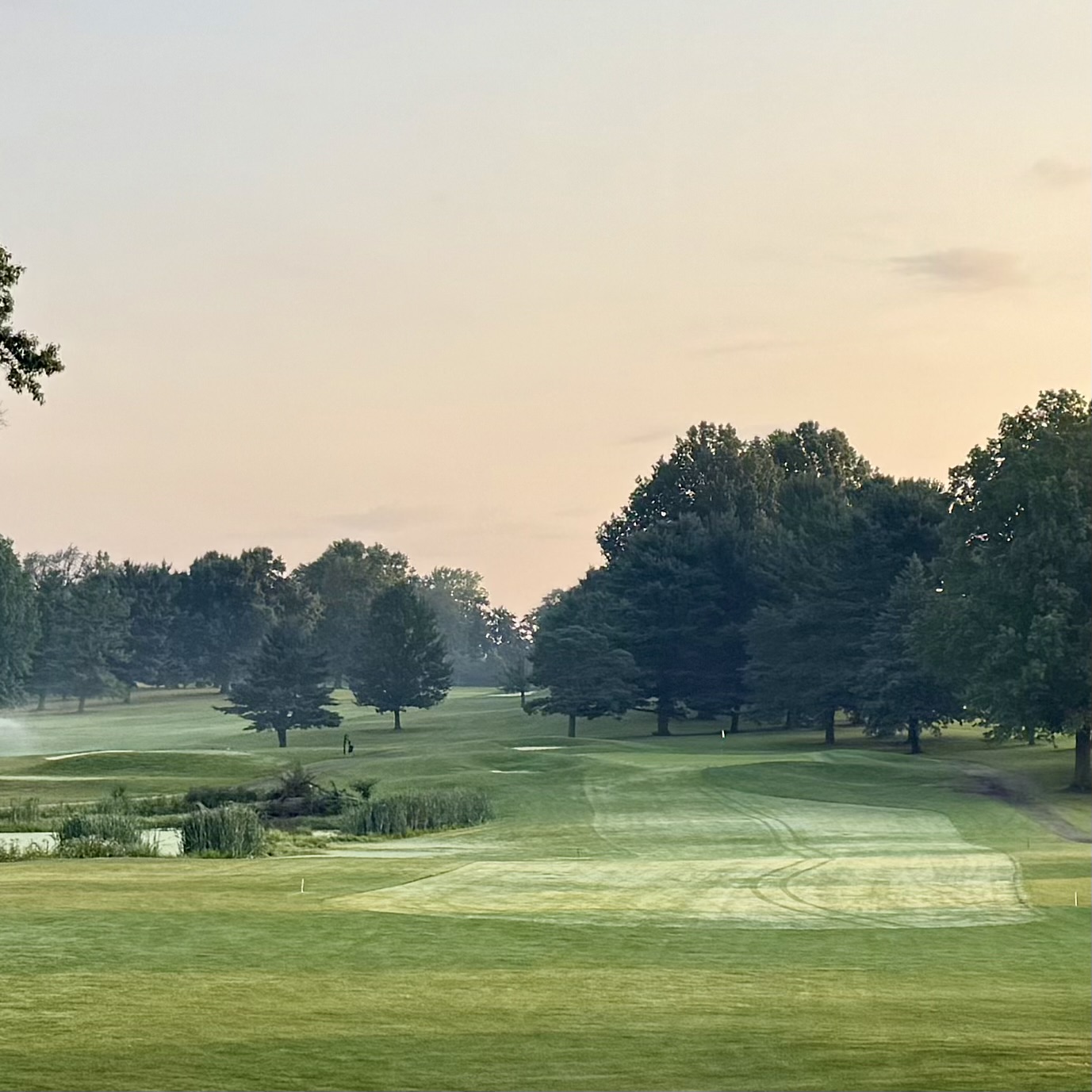
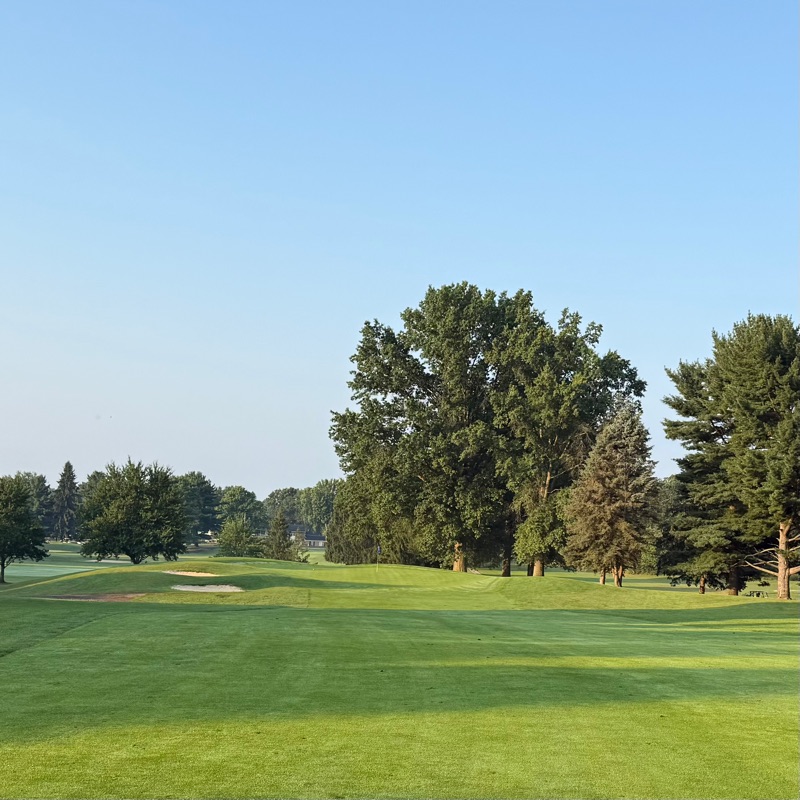
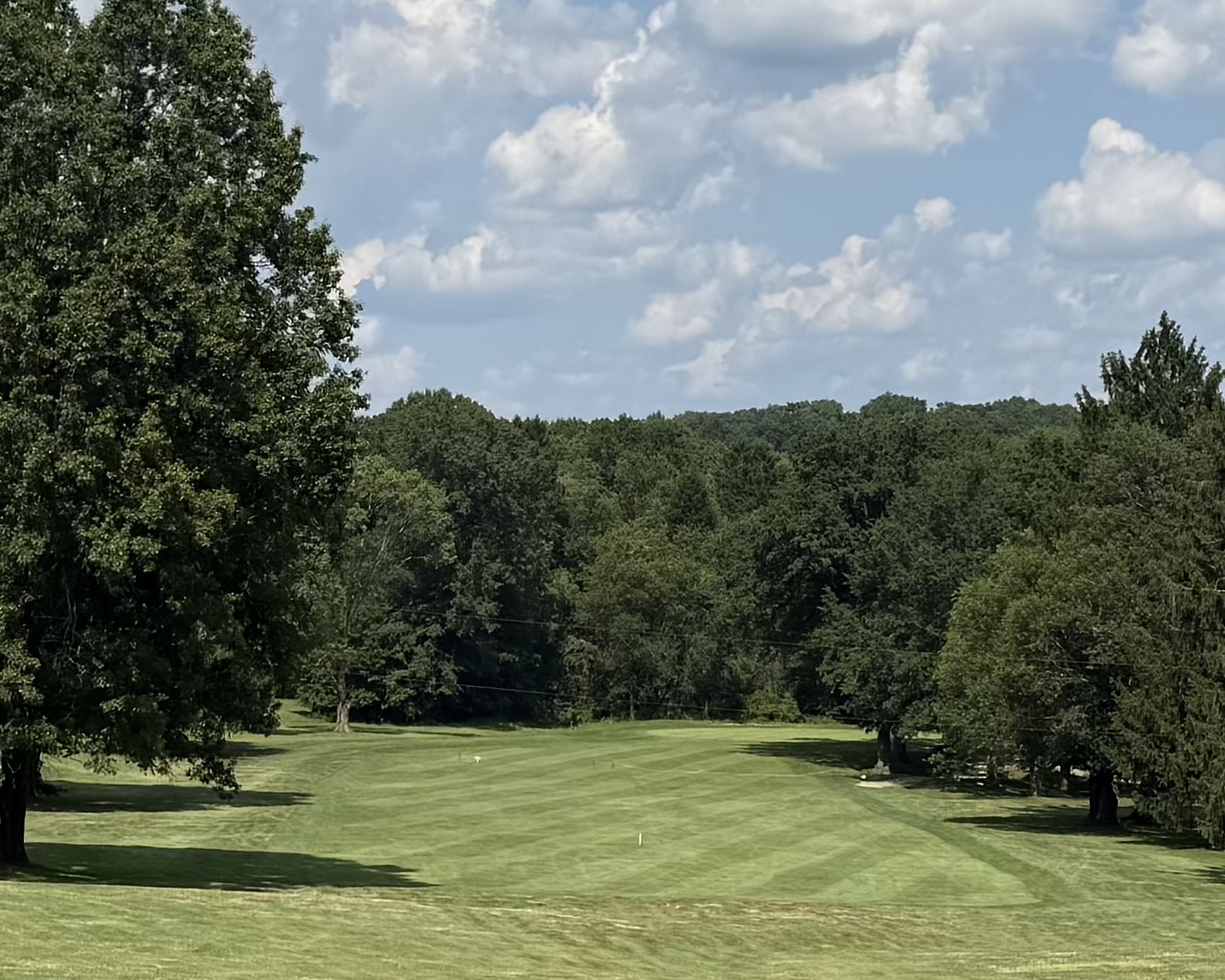
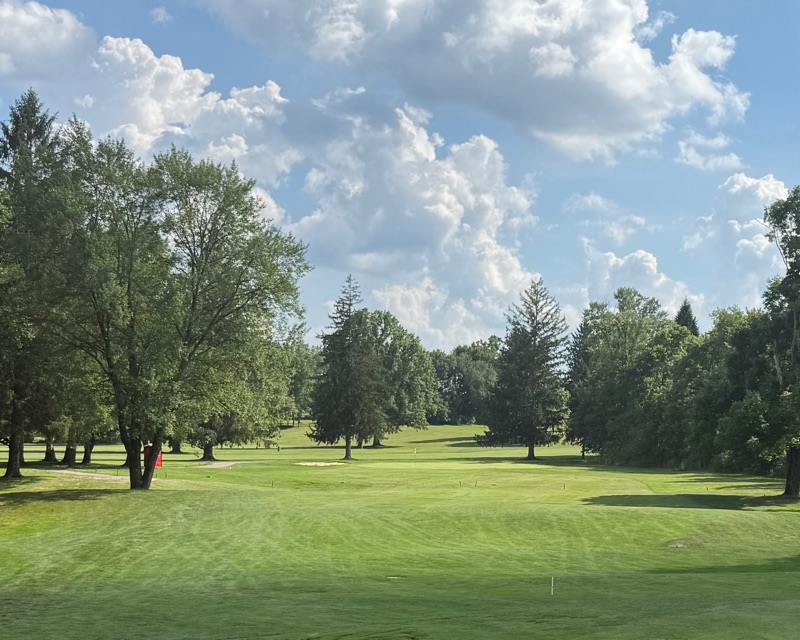
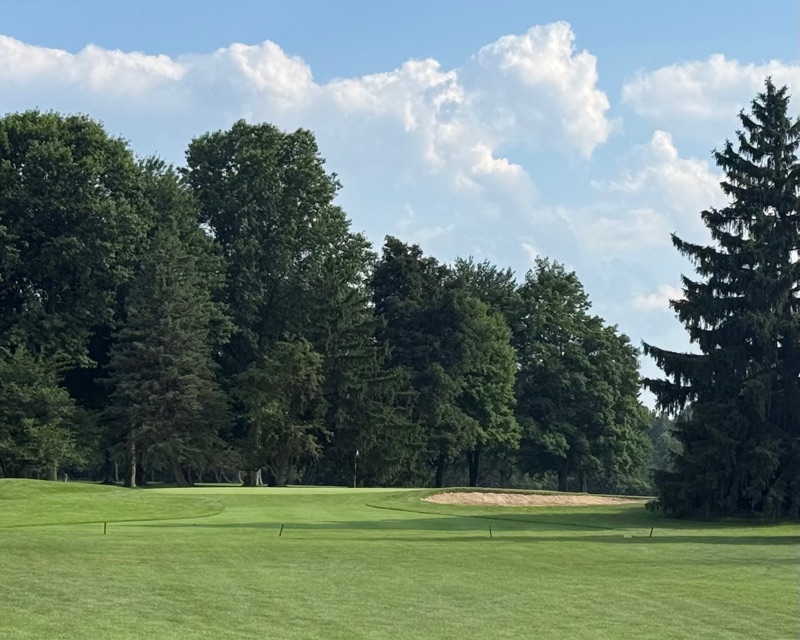
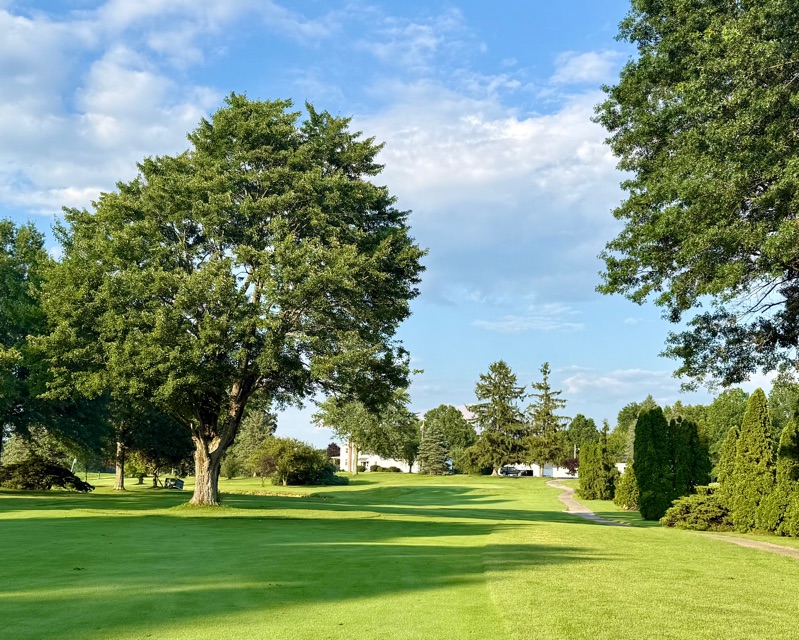
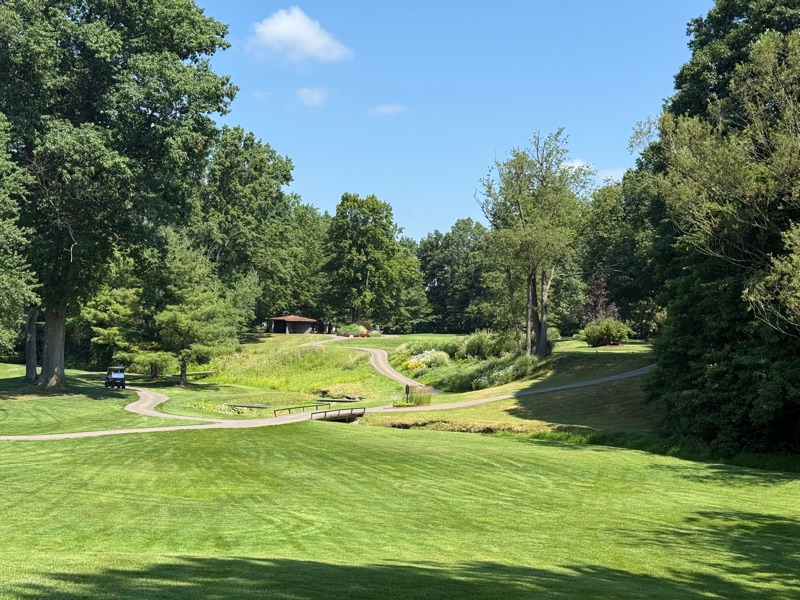
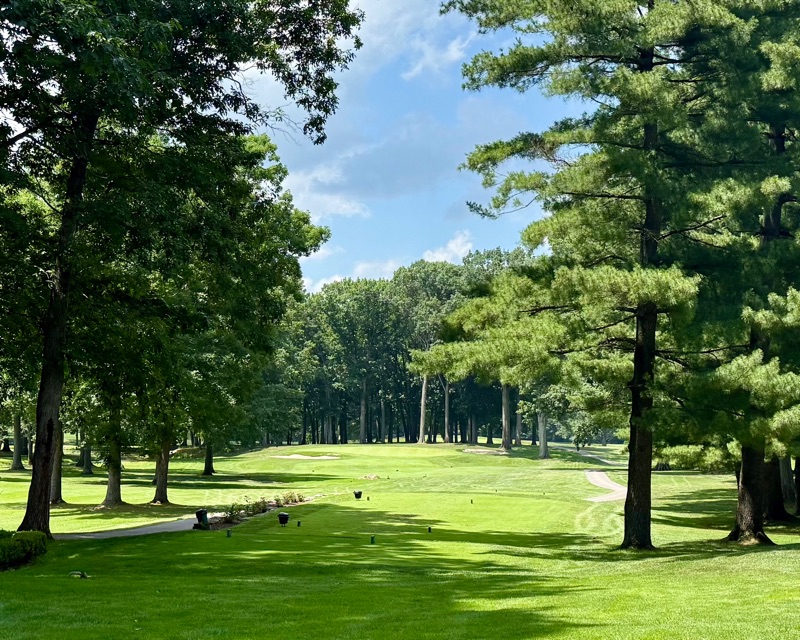
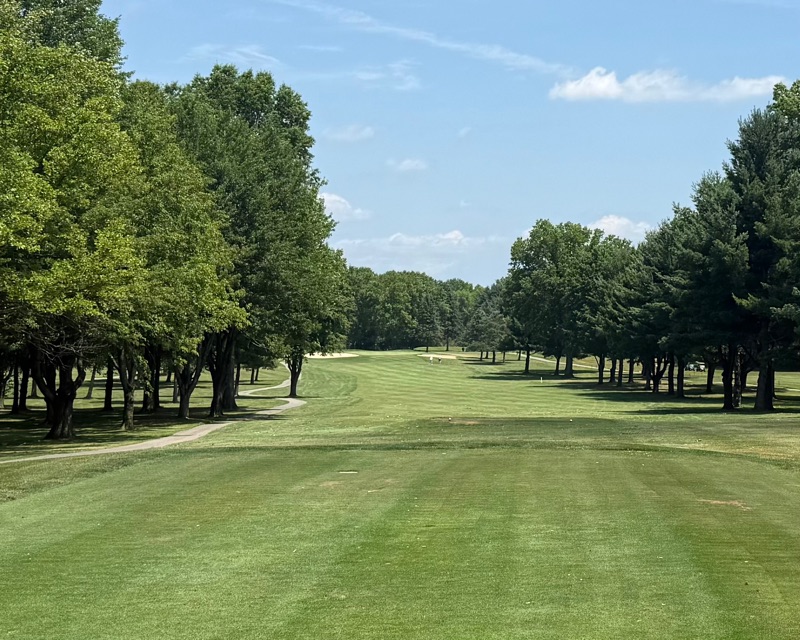
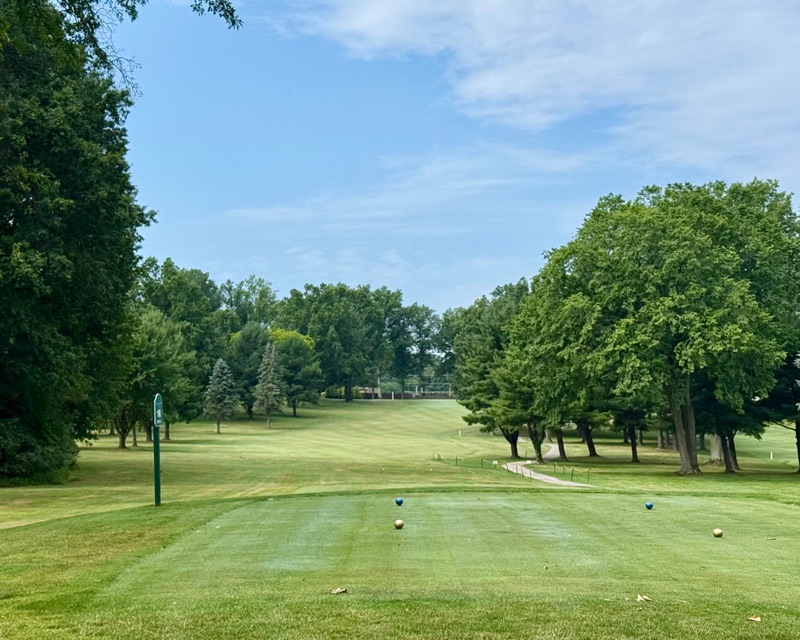
(The opening 396/384 yard par four is one of the longest two shotters on the course. Aim at the large tree in the left rough and take advantage of the open entrance.)

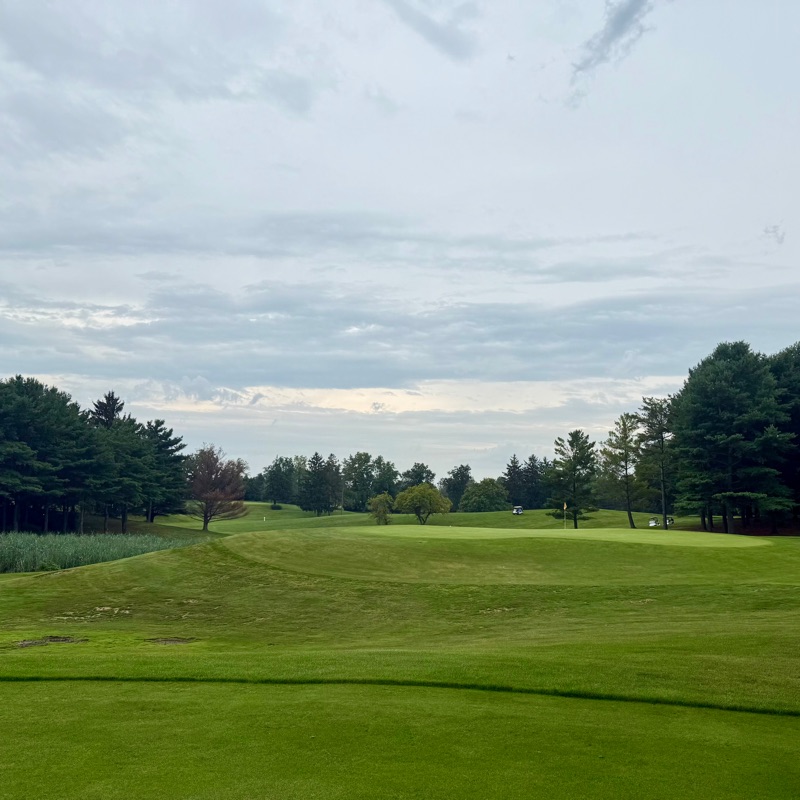
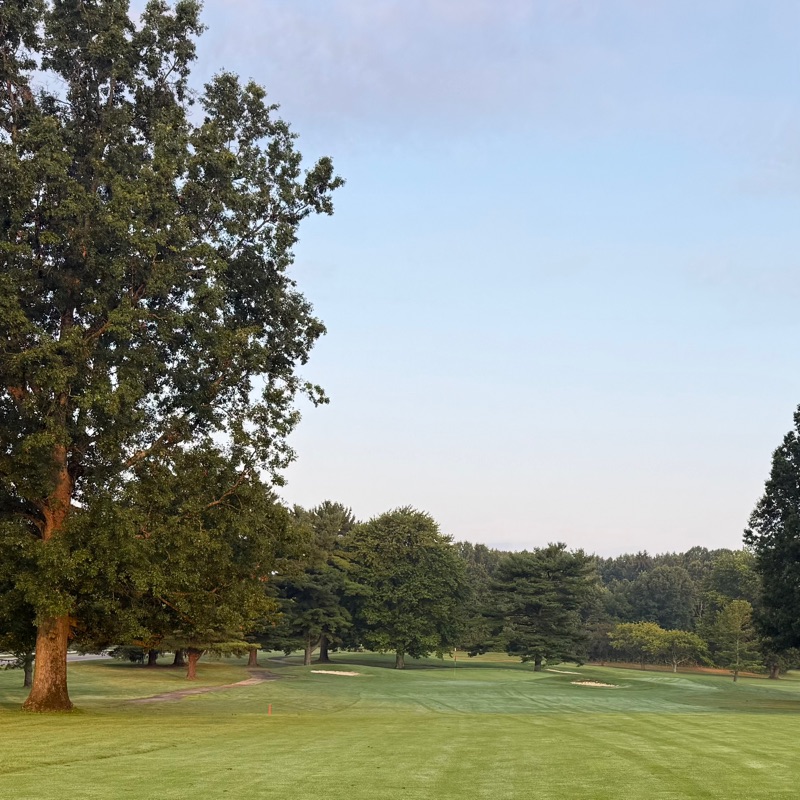
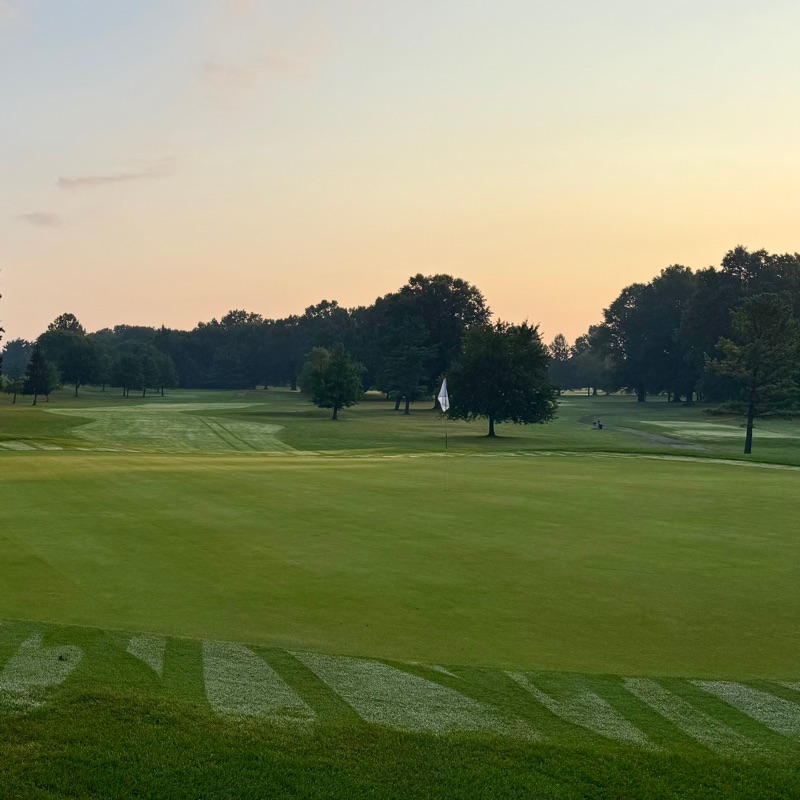
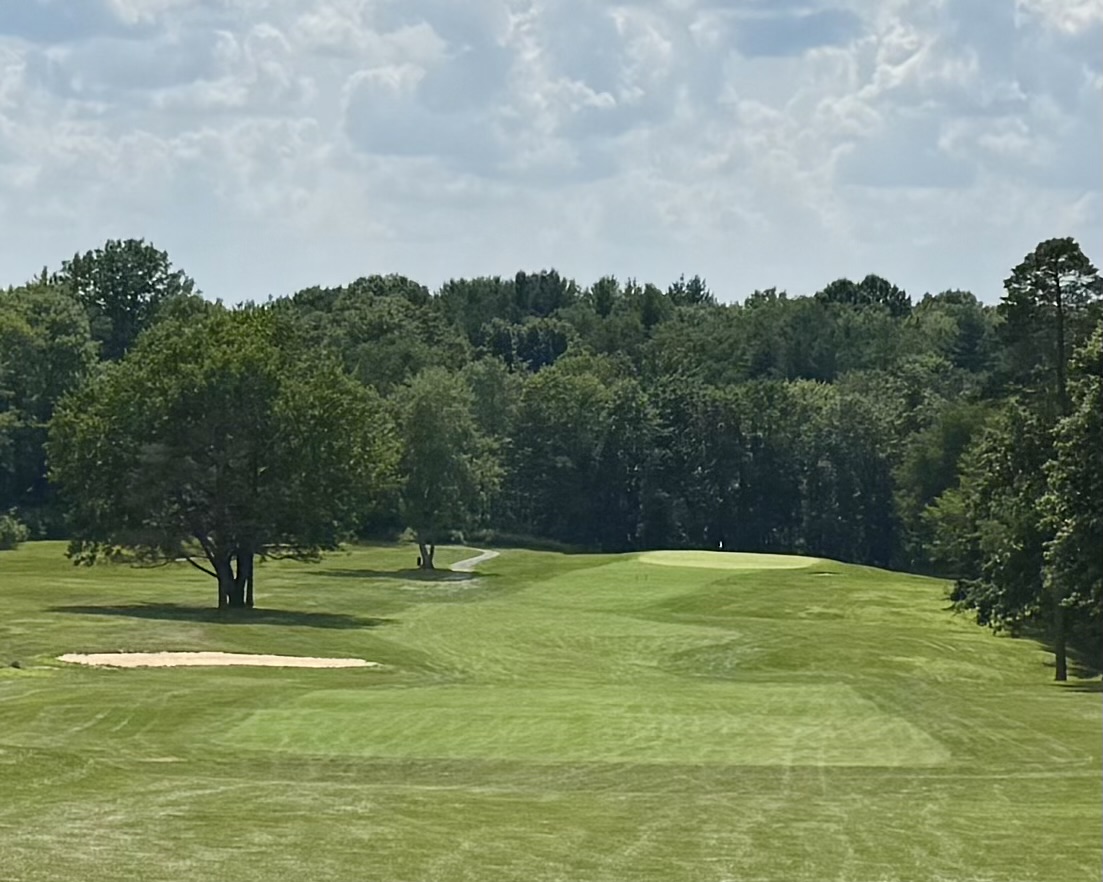
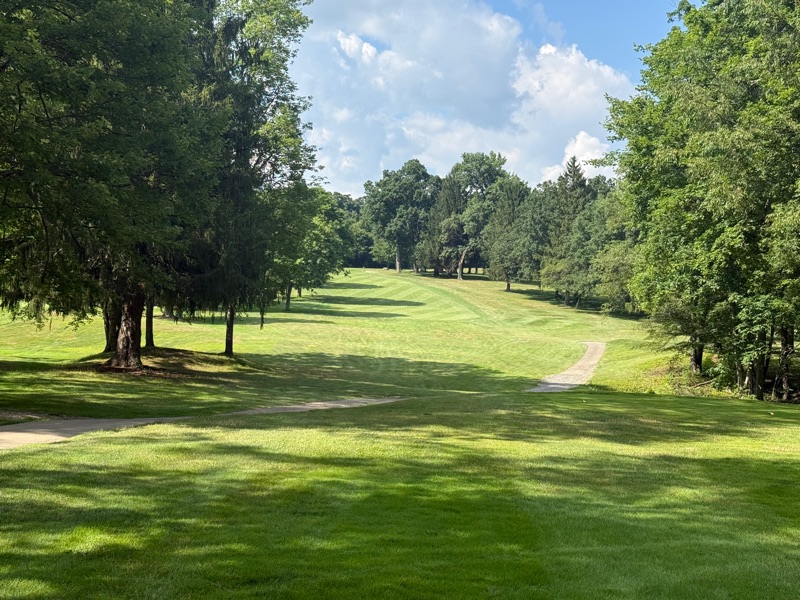
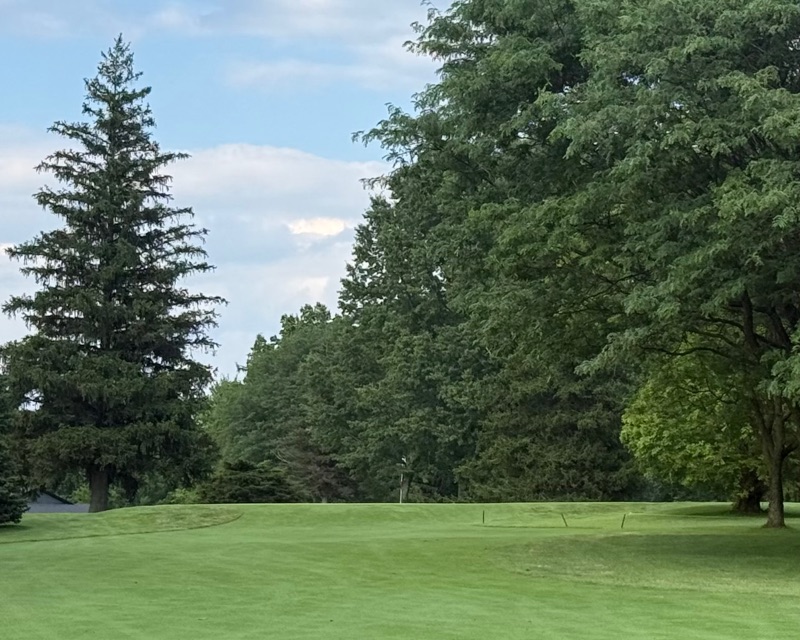
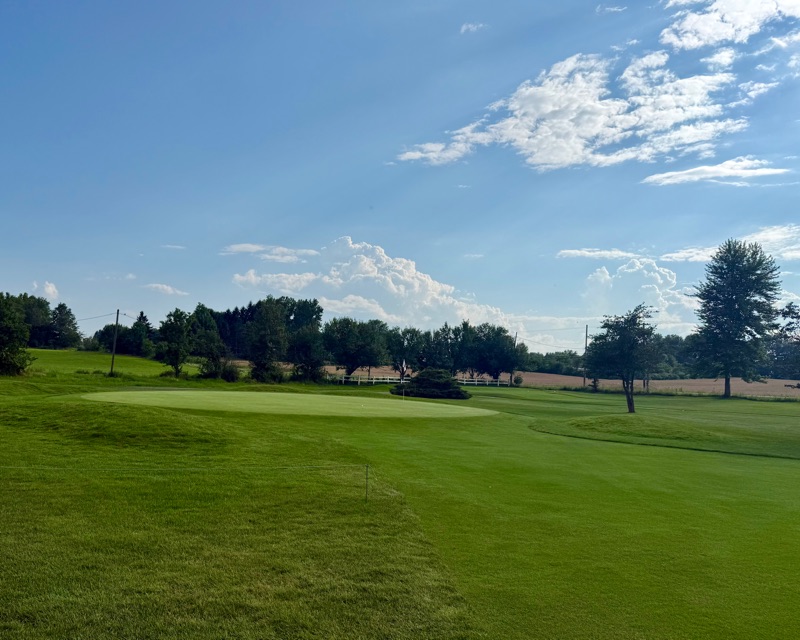
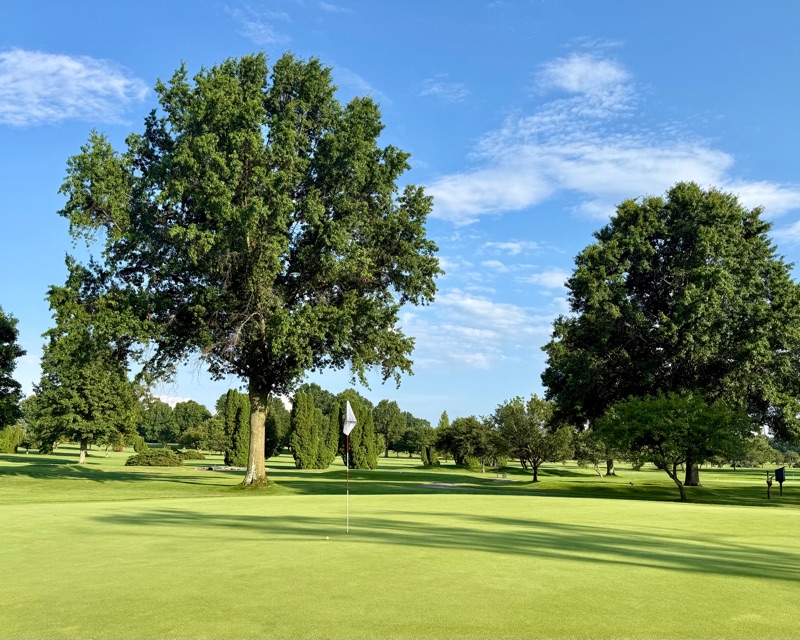
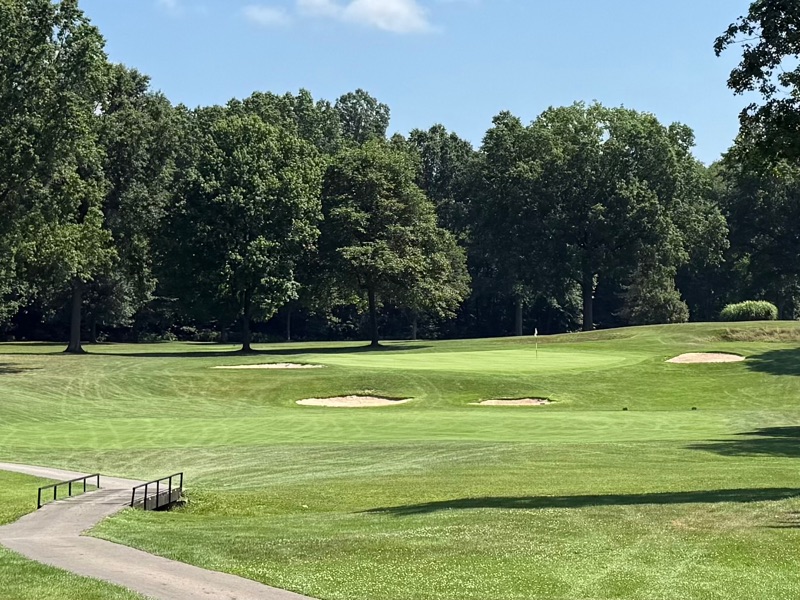
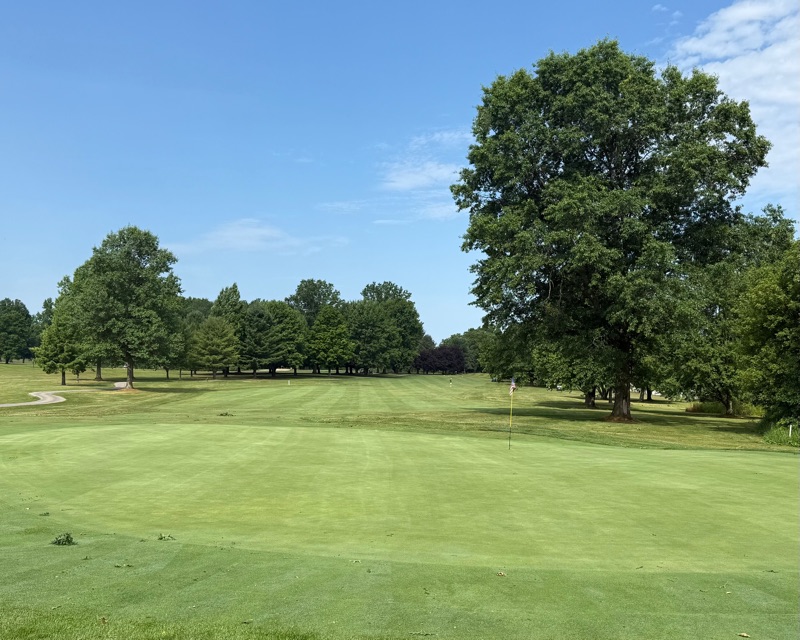
(The 310/299 yard par four fifth turns a tad left and completely opens up for an aggressive approach. There are birdie opportunities throughout the round.)

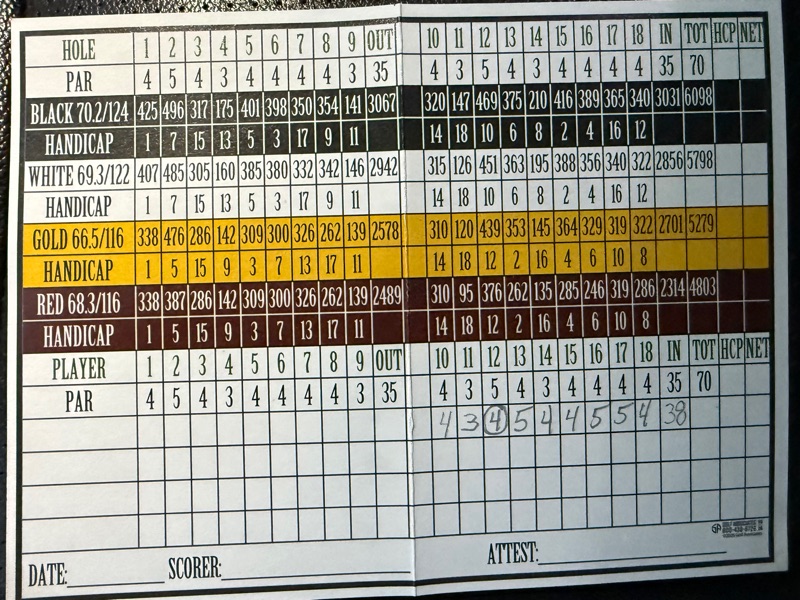
Mayfair started with 36 holes but the addition of housing whittled it down to 18. Both courses were designed by Ed Ault in 1968. (If this name sounds familiar, it’s because he is the architect of Windmill Lakes.) Today’s course is a mixture of both the East and West. What holes belonged to which, I do not know, but what remains plays to a par 71 with the unusual routing of 2 par fives, 3 par threes, and 13 par fours. The par fours come in all sorts of lengths including the driveable second (281 yards) and the formidable eighteenth (440 yards). The rolling terrain in the northern half of the property has some very good holes (2,3,4,12,13,14,15) while the start of the back nine (10,11) plays against a lake. The last three holes eke out along side the houses and are the most visible from the road (the Raber/Mayfair L section). Water is in play on all three with the par five sixteenth fronted by it, the par four seventeenth green abutting it, and the eighteenth tee box framed by it.

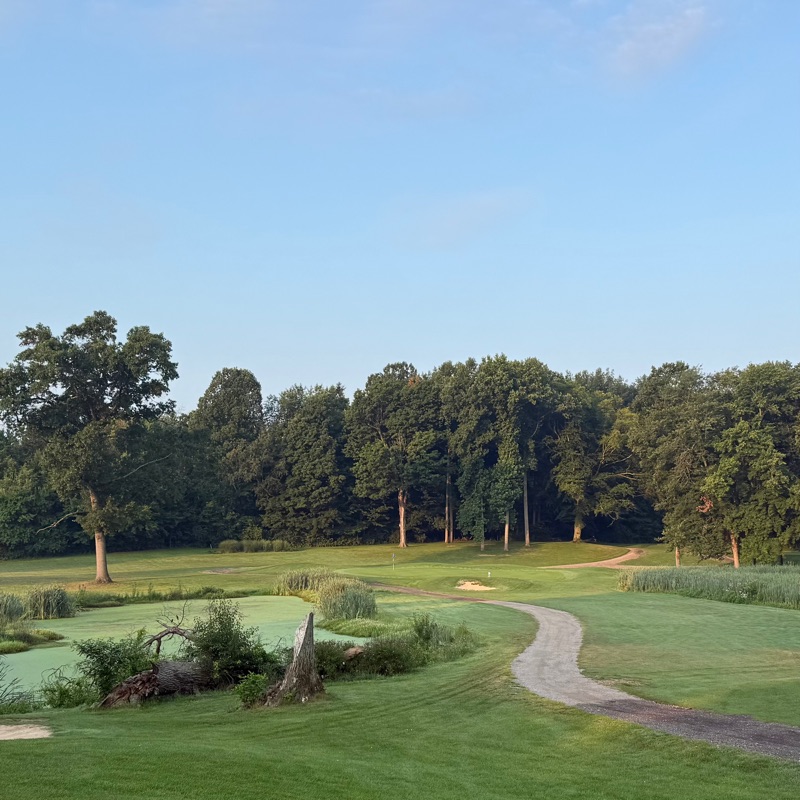
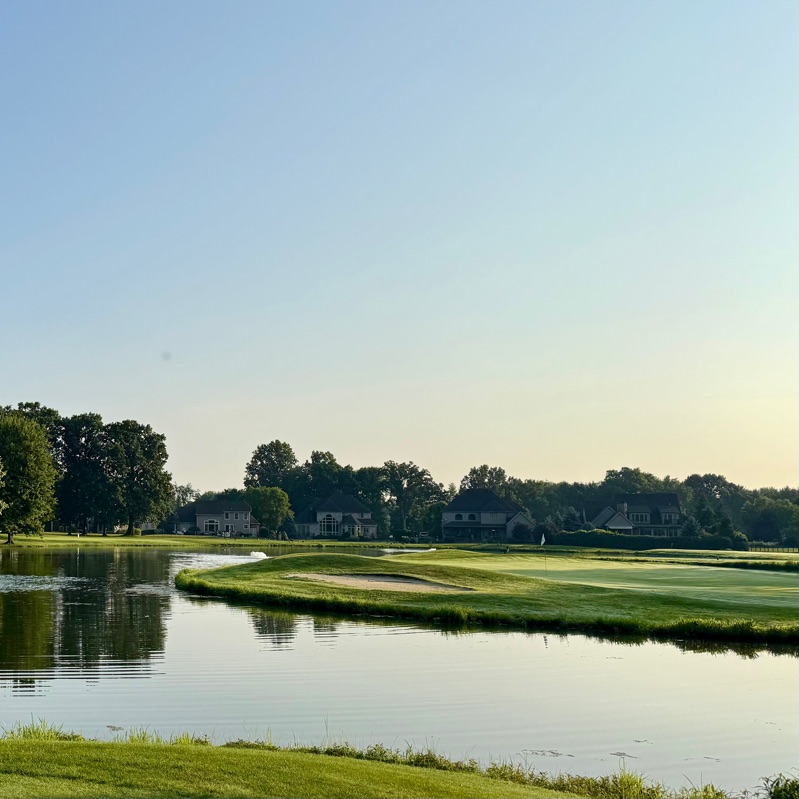
(The 367/355 yard par four tenth plays to a peninsula green. There’s a lot more room to land the ball but wayward shots will find the drink. Note across the water on the left is the lima bean shaped eleventh green which is all carry over water. At 130/109 yards, it tempts players to be as aggressive as they would like.)

The past couple years we’ve been doing some reconnaissance missions to find suitable additions to our schedule but the one that makes the most sense may have been in our periphery all along. I give it a strong 4 (above average)(worth driving 30-40 minutes to play).

(The first time I heard anyone talk about Mayfair was last year when my UPS buddies were excited about getting a breakfast buffet with their eighteen hole ticket. If you play your cards right, you can get breakfast, golf, and then get a hot dog, all for a bargain price.)


Blog 514

Sunday, July 19, 2026

Slippery Rock Golf Club (Slippery Rock, PA)

Slippery Rock caught my attention when I learned it was the old Armco Steel course. These “employee” courses tend to be very good ie Fowler’s Mill and Shaker Run being excellent examples of company courses turned public. Alas Slippery Rock doesn’t possess such high end architecture. It started off as a man chasing a dream before being resurrected after WWII and then being bought by Armco. That should not be taken as a slight but rather a pointed observation. This is your typical western Pennsylvania track that plays up and down the hillsides.

(The short par four tenth is best approached from the left. Long hitters can possibly drive or get close with their tee shot.)

(Playing over a marshy area, the par three eleventh is a very challenging hole. The green sits atop a slight ridge and anything short, right, or long will kick into trouble.)

Slippery Rock has some very fascinating history with a Cleveland connection. The course was founded by Ralph Nicholas who hired Cleveland architect F.T. Stafford to design nine holes which today is the front nine. Stafford is one of those forgotten architects whose name isn’t mentioned in The Architects of Golf by Geoffrey Cornish and Ronald Whitten. (Many northeast Ohio golfers remember the now defunct Hawthorne Valley Country Club in Solon. For years it was regarded as a Donald Ross course, but a discussion on Golf Club Atlas posted by Sven Nilsen showed an old Cleveland Plain Dealer article that cited Frank Pelton and F.T. Stafford as the architects. Stafford is said to have built 36 courses at the time.) The back nine, which is across the street, is credited to Wynn Tredway, the man who bought the course after WWII.

(The par four fifteenth drops downhill between the treeline before doglegging a bit to the right…

…the green is exposed in the front for a running shot but possesses a slick right to left slope that will feed balls into the left bunker.)

(The uphill sixteenth arcs to the left with thick trees guarding that side. It plays much longer than its listed yardage.)

(The downhill seventeenth has this interesting green that is well bunkered. A flood a few weeks earlier completely destroyed the left greenside trap.)

I only played nine holes after finishing eighteen at the Field Club in New Castle. While I wish I had seen the front, they put me out on the back. The golf on this side as I mentioned earlier is typically for Western PA. Tredway did a fine job routing ten and eighteen next to each other and having 12,15,16,17 all parallel alternating uphill and downhill. The golf is solid and I would contend the last four holes are all difficult pars. That said, the front nine looked a tad more interesting with bunkers guarding eight of the nine greens. I think there’s also more variety with a few holes going across the slope. I’m glad I took the time to drive the thirty minutes to see the course as opposed to making a full day out of it and driving two hours there and back. The locals have a nice place to enjoy but it shouldn’t be on your radar from any significant distance. I give it a 4 (above average)(worth driving 30-40 minutes to play).

(From the tips the course is roughly 6,100 yards par 70. Both nines are pretty evenly matched. I got off to a good start, chipping in at the par five twelfth, but the course showed its teeth tossing a series of strong holes at me, and I bogeyed four of the last six.)

(The finishing hole is an uphill par four to a two tiered green. Back pins are especially difficult to get close. A horseshoe bunker saves your ball from going long onto the road.)

(The par four thirteenth has this rock formation guarding the green. The rocks are not outlining a hazard but are the hazard. The putting surface is basically a mowed down area with minor movement.)

Blog 513

Thursday, July 16, 2026

Flying B Golf Course (Salem, OH)


With a name like The Flying B, I knew there had to be an aviation connection somewhere, and sure enough, an airstrip used to be where twelve and thirteen fairway are today. This mom n pop golf course out in the rural environs of Salem is one reason why I think Youngstown is one of most underrated areas in Ohio. Places like this are slowly getting phased out with upkeep and maintenance costs driving owners to sell to real estate developers, but the B is fully embraced by the local community. This is where families and friends meet to enjoy the simple pleasures of golf with the design geared towards the introductory level of player with short grass surrounding putting surfaces and few bunkers.

(The short uphill par four second finishes at an oval putting surface that is hidden from the fairway. There are plenty of trees to advocate being straight.)

(The par three third is one of the few times you’ll see a sand trap. This cute hole plays directly behind the clubhouse as the first two holes play down and back. Imagine teeing off first in your league and mingling with everyone a few holes later. Fun stuff!)

I only played the front nine after playing eighteen holes during our annual Youngstown trip. I choose to come here because it boasts an impressive 4.6 rating on Golfpass. The course is in good shape and has some nice topographical features including a gently sloping piece of property and a few water hazards on the back. The trees that line the fairways are spaced out allowing players to advance the ball after wayward shots. This does make it a bit of a shooting gallery. It is advisable to be alert. I do love the serenity and peacefulness of its remoteness. Everything about the Flying B is very pleasant. I give it a 4 (above average)(worth driving 30-45 minutes to play).

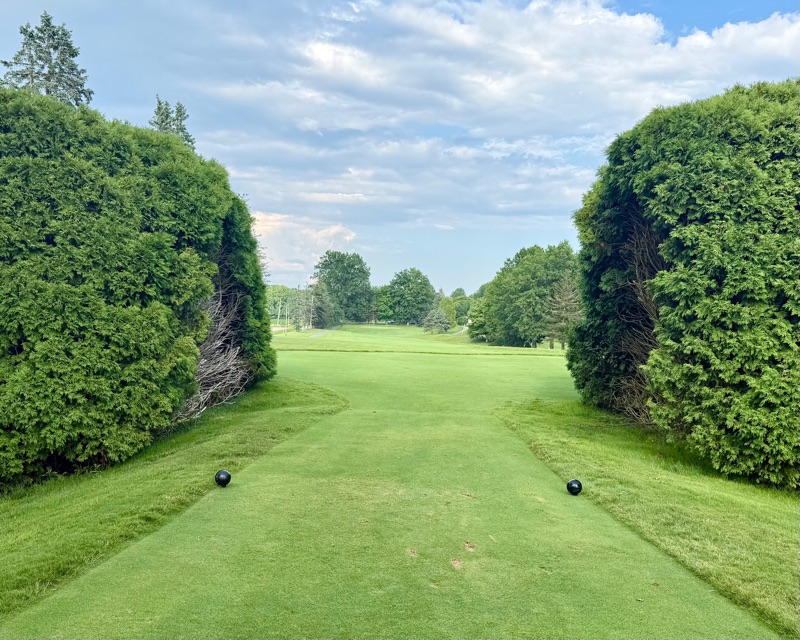
(The seventh is the best hole in my opinion as it plays along the boundary line on the left to a green fronted by a shallow valley. The tee shot is quite unusual (opening photo) where you drive between two large hedges. I thought it was pretty cool.)

(I got off to good start but couldn’t finish it. The par five eighth is a neat driving hole with a swale cutting diagonally through the fairway. If you can squeeze it down the left, then it’s reachable in two.)

(The par five fourth goes slightly downhill before turning left and finishing at this low profile green. Soft mounding short left and right catch those going for it in two. The lovely backdrop is punctuated by the white picket fence by the next tee.)

(A tree in the fairway makes the ninth hole a quirky par four. A water hazard left of the green forces the player to get the ball on the right side.)

(Flying B was designed by Paul Ritchie)

Blog 512

Saturday, July 11, 2026

Squaw Creek Country Club - Avalon Resort (Vienna, OH)

Squaw Creek is a very nice golf course that could be so much better if they cleared the trees and/or trimmed the branches impeding the start lines from the tee. The improved air and light quality would help with firmer conditions and several of the greens would be much healthier. If such measures were taken, this place would climb up the best course in state list.

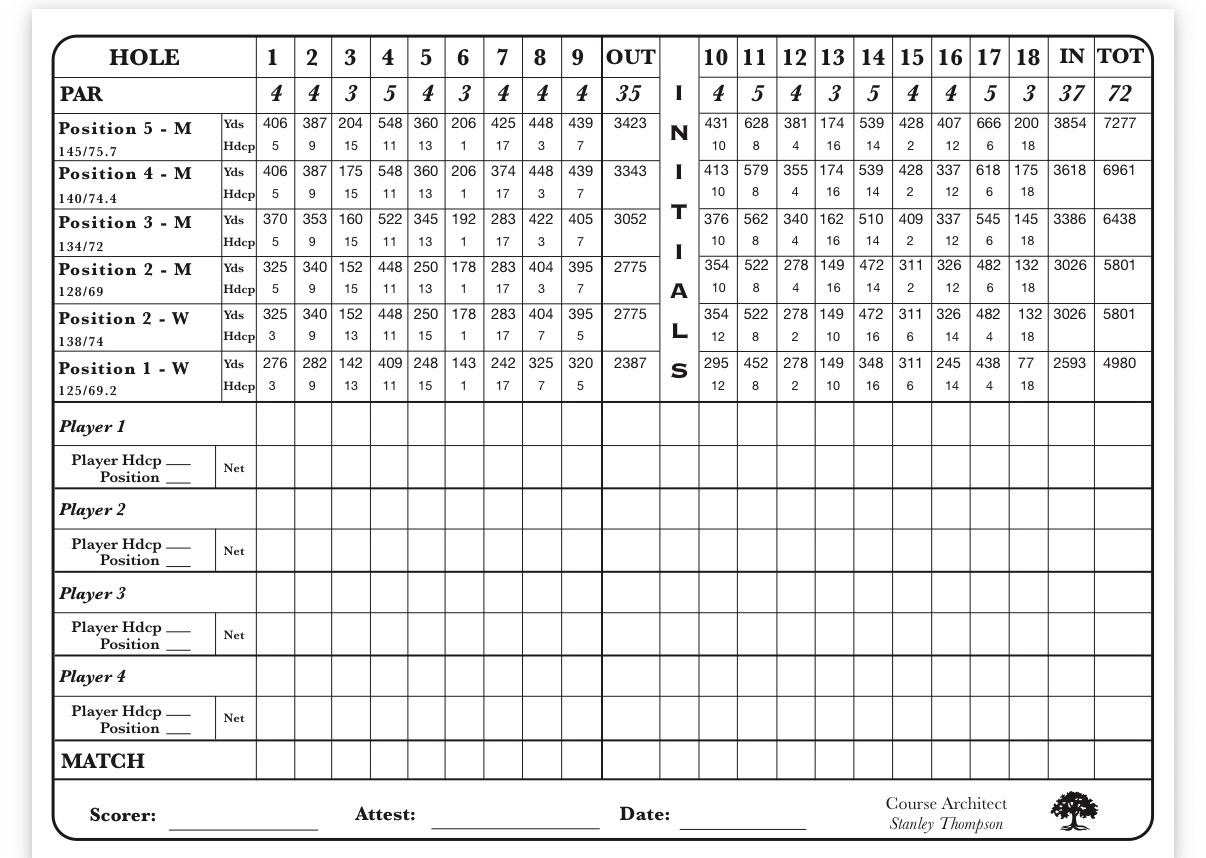
Squaw Creek was designed by Stanley Thompson in 1922. How much Thompson is left? I think more than most realize. The 2,3,4,5,6,7,10,12,17 greens all have really good contour to them and a lot of pitch. Greens like the fourth and sixth have steep rear sections that cascade to the front and sides. The false fronts on seven and seventeen repel balls several yards back into the fairway.

(The 386/350 yard par four second has a beautiful drive over a shallow valley. The right side of the fairway is the optimal play before hitting a short iron to a back to front green…

…the view looking back to the tee box reveals the wonderful topography Squaw Creek occupies. The creek is not much of a threat on this hole but is on 1,11,12.)

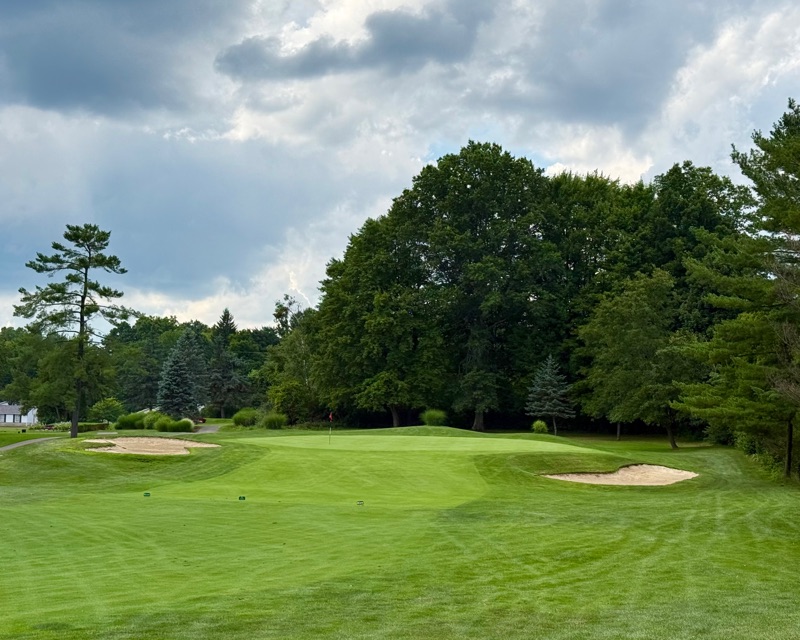
(The 204/175 yard par three third is a sporty shot over a valley to a green on a slight ridge. The bunkering is tame compared to what you’d see at other Thompson courses. An extra club would be a prudent choice.)

(Thompson loved long par threes and the 205/190 yard sixth is no exception. This is a brutal putting surface too. It pitches forward and has a severe roll that scurries balls to the front left. Par is a good score.)

Squaw Creek tips out at 7,277 yards and half a mile of it comes on two holes, the 628 yard eleventh and the 666 yard seventeenth. This course can hold its own against any level of player. Maybe that’s why the LPGA called it home from 1990-1992 and came back again from 2001-2004.

(The 628/562 yard par five eleventh doglegs left off the tee and again for the second shot. The green is lower than the fairway and is semi blind for the third shot. As the picture shows, the hazard fronts the putting surface and guards the right side. Several years ago, my friend Dan reached this in two shots, a feat we still talk about today.)

(The 666/545 yard par five seventeenth plays along the boundary line on the right. The left is lined with trees. The player must hit three accurate shots all with good length. Meanwhile, the green is atop a slight ridge with a false front that will spin shots down into the fairway. Par is a very good score.)

Squaw Creek is one of four properties owned by Avalon Resort, and it is their most complete facility. Besides golf, it has tennis and pickleball courts, a pool, and bar and patio. It’s very popular and draws a conglomerate of people enjoying their day. Expect it to be a little noisy by the clubhouse. I give it a 5 (good)(worth driving an hour to play).
(Ed Ault lengthened and did bunker work in 1990. Resort guests pay $82 to play.)

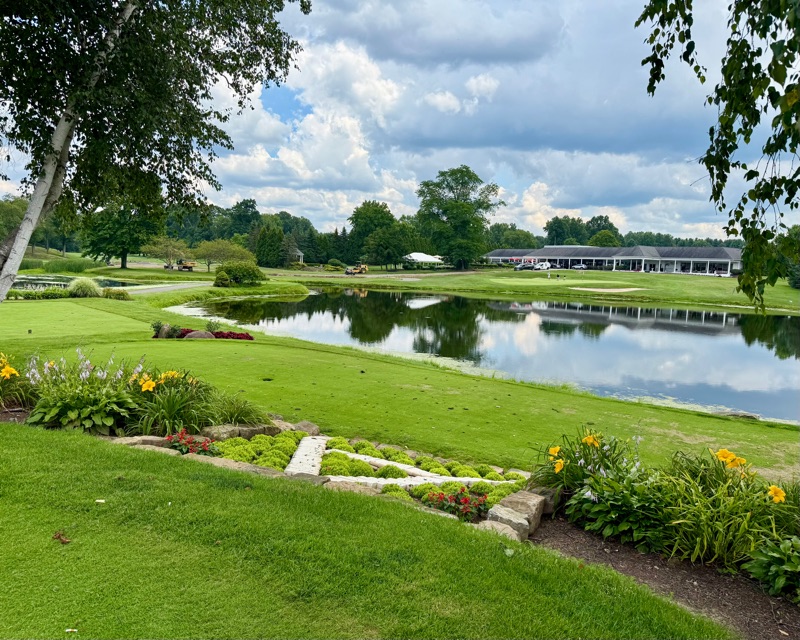
(Squaw Creek finishes with a 200/145 yard par three over water. It’s beautifully landscaped and is laid out in front of the patio and people at the pool. From the appropriate tees, it’s just a mid iron shot that should find the putting surface.)
Blog 511

Friday, July 3, 2026

Windmill Lakes Golf Club (Ravenna, OH)

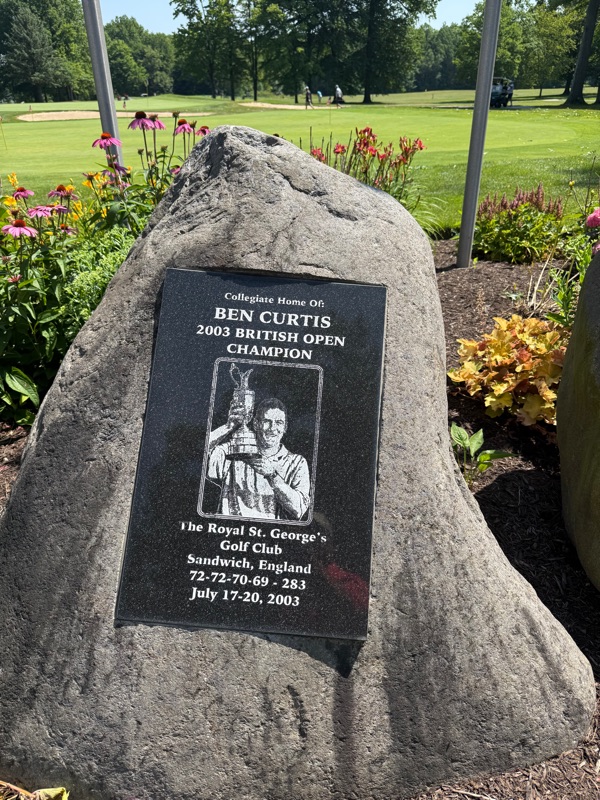
Windmill Lakes is one of the more challenging courses in northeast Ohio. It’s also home to the Kent State University men and women’s golf team. It’s a very successful program run by coach Herb Page and several players have made it to the pro level. While a few have won tournaments, none are more celebrated than Ben Curtis 2003 British Open Championship win at Royal St George.

Ed Ault designed Windmill in 1970. As an accomplished player, he designed the course exactly the way most architects of his ilk do, by challenging the tee shot and one’s putting stroke. At nearly 7000 yards, it has plenty of length. Players will feel the need to hit driver and the treelined fairways will demand it go straight. The putting surfaces are underrated and have interior contouring that make any putt over ten feet difficult to read. Toss in their large size, and players will find their short game and lag putting put to the test.

(Looking back to the green, the 409/380 yard par four third is best approached from the right side of the fairway. The left greenside bunker and couple large trees makes the left side of the fairway a much tougher approach.)

(This is the view looking back from the fifth tee to fourth green. At 567/544 yards, the fourth is a particularly difficult par five. The hole gets narrower the closer it gets to the green.)

(The 191/172 yard par three fourteenth is well bunkered with a green that has great movement. A large hump in the front left makes for several exciting pin positions.)

Windmill’s biggest drawback is its middling topography. Most of it is flat with a gradual tilt moving up towards the clubhouse. On the back nine, fifteen tee and eighteen green sit on a ridge, the only defining feature of the course. For all intended purposes, Windmill really shouldn’t be as good as it is, but that’s a direct testament to Ed Ault’s architecture, and specifically, to his ability to come up with some really good greens. Windmill is a solid course. I give it a 5 (good)(worth driving an hour to play).

(The 449/422 yard par four fifteenth plays downhill to a green bunkered on the front left and right corners. The toughest pins are tucked behind them while a wide opening allows weaker players a chance to run the ball on.)

(The 418/395 yard finishing hole bends right and plays slightly uphill. The left center half of the fairway is the best angle…

…a bunker fronts most of the green with a small sliver to bounce the ball on in the front left. A par is a good score.)

(I first wrote about Windmill eleven years ago and the lack of quality pictures is what persuaded me to update it. Unfortunately, the flatness of the course is not photogenic but the ones I did get came out well.)

Blog 510